Originally published February 16, 2020. Updated November 5, 2026.
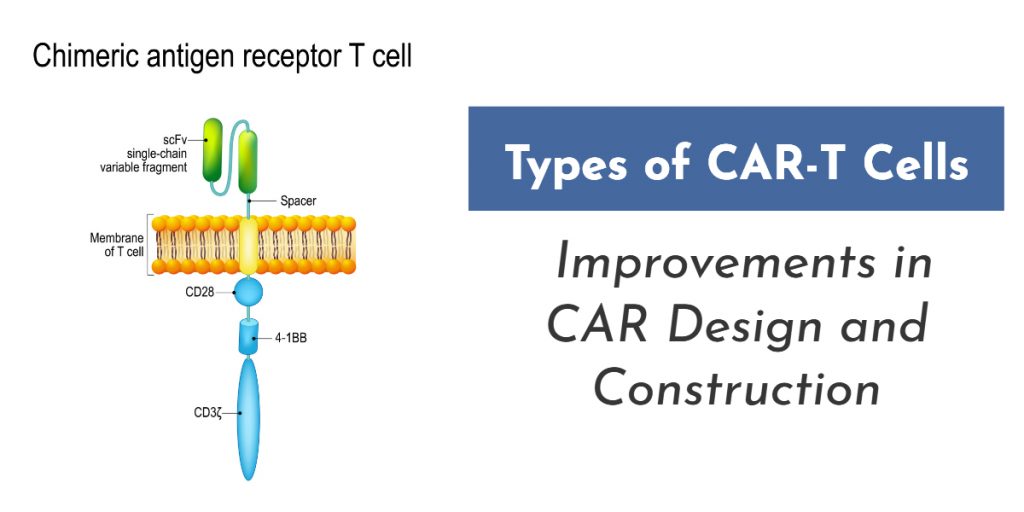
Chimeric antigen receptor-modified T (CAR-T) cells are living therapies that are genetically engineered to express CAR molecules targeting antigens found on tumor cells or target cells of interest. Seven autologous CAR-T products are now approved. Unfortunately, limited CAR-T cell persistence after infusion is still an obstacle, and secondary malignancy risk, manufacturing cost, and vector supply have been added to the list. Genetic engineering strategies that address these problems will be central to the success of these gene-modified cellular therapies.
CAR-T cell therapies mostly depend on stable CAR expression upon delivery by viral and nonviral gene transfer systems. There are three key vector systems used for clinical applications: γ-retroviral vectors, lentiviral vectors, and the transposon/transposase system. Messenger RNA transfer is a non-integrating alternative that avoids long-term expression. A newer approach, in vivo CAR-T, delivers the CAR gene directly to T cells inside the patient.
Viral Vectors
γ-retroviral vectors were the first to provide stable CD19 CAR expression. Beyond high gene expression, they offer multiple stable packaging cell lines with wide tropism. Lentiviral vectors can transduce nondividing cells and show a safer integration profile, based largely on studies in hematopoietic stem cells. Like γ-retroviral vectors, they show high gene transfer efficiency and drive stable CAR expression.
Both remain the clinical standard. All approved CAR-T products use one or the other. Yescarta and Tecartus use γ-retroviral vectors, and the rest use lentiviral vectors.
Manufacturing is still difficult. Lentiviral production relies on multi-plasmid transient transfection, which limits lot size and causes lot-to-lot variability, and the fusogenic VSV-G envelope has made stable packaging systems hard to build. Vector cost is a large share of the price of CAR-T therapy, and producer cell lines are being developed to bring it down, although CAR expression can harm the producer cells. Both viral vectors also require extensive, costly biosafety testing.
Safety rules have changed too. In 2024 the FDA strengthened the boxed warning for T-cell malignancies on all approved BCMA- and CD19-directed autologous products. In 2025 it removed the REMS requirements, but the boxed warnings remain. Secondary malignancy is also labeled as a class warning for any therapy that uses an integrating vector, which includes both lentiviral and γ-retroviral vectors.
Transposon/Transposase Systems
Plasmid-based transposon systems such as Sleeping Beauty and piggyBac introduce CAR genes into T cells by electroporation. The benefits include a simple manufacturing procedure, relatively low cost, and straightforward release testing. One early trial put the cost 5 to 10 times lower than viral processes. Early Sleeping Beauty trials also reported antileukemic activity without severe toxicities.
Integration is random, causing a potential oncogenic risk secondary to mutagenesis. Sleeping Beauty-engineered donor-derived CD19 CAR-T cells were detectable for more than two years and were reported to produce durable remissions in leukemia patients who relapsed after transplant. piggyBac is less settled, since lymphomas were reported in some recipients, though the transposon was considered an unlikely cause. No transposon-made CAR-T product is approved yet.
Messenger RNA (mRNA) Transfer
Messenger RNA (mRNA) transfer offers a cytoplasmic expression system that permits transient expression of the transgene. In contrast to the stable and permanent expression of the transgene introduced by viral transduction or plasmid DNA transfection, in vitro transcribed mRNA can be inserted into cells by electroporation or endocytosis. No genomic integration events occur with this method, so the problems of genotoxicity and potential generation of replication-competent retrovirus are eliminated.
RNA transfection enables expression of the transgene for nearly one week and can be used to deliver mRNA for T-cell receptors (TCRs), CARs, chemokine receptors, and cytokines. This technique is also advantageous for screening potentially toxic CAR molecules that could cross-react with normal tissues.
Most of the current interest is in autoimmune disease, where transient expression is an advantage. Cartesian Therapeutics’ Descartes-08, an mRNA CAR-T, is given without preconditioning chemotherapy and has moved into Phase 3 testing for myasthenia gravis.
In Vivo CAR-T
In vivo approaches deliver the CAR gene directly to T cells inside the body, so there is no apheresis or ex vivo manufacturing. Supporters say this could improve manufacturing efficiency and access. More than 30 trials are registered worldwide, and large drug companies are investing. Eli Lilly agreed to acquire Kelonia in April 2026.
There are two main delivery methods. Targeted lentiviral vectors give stable CAR expression. In an early study of ESO-T01 in multiple myeloma, four of five patients responded, including three stringent complete remissions. Lipid nanoparticles (LNPs) carrying CAR mRNA give transient expression. In a small lupus study, five patients with refractory disease received HN2301, a CD8-targeted LNP encoding an anti-CD19 CAR. Transient expression may avoid long-term safety risks but is generally less potent than ex vivo CAR-T. The data are early and the studies are small, so long-term safety is unknown.
Gene Editing for “Off-the-Shelf” Therapies
Gene editing makes it possible to produce allogeneic CAR-T cells from healthy donors. TALENs and CRISPR-based tools disrupt genes such as TCRα and CD52 to reduce graft-versus-host disease. Early proof-of-concept work used TALENs delivered by electroporation, and that approach has since reached a pivotal trial. As of mid-2026, none are approved, but Allogene’s TALEN-edited cema-cel is in the pivotal ALPHA3 trial and has RMAT and Fast Track status for large B-cell lymphoma. In an interim analysis, it cleared minimal residual disease in seven of 12 patients versus two of 12 under observation, with no cytokine release syndrome, neurotoxicity, or graft-versus-host disease reported at the interim cutoff. The data are small, and it is not yet known whether it improves event-free survival.
What questions do you have about the genetic modification of CAR-T cells? Ask them in the comments below.