How much is stem cell therapy today in 2026? According to analysis by BioInformant, the cost of stem cell therapy ranges from less than $5,000 for simple procedures to $25,000 or more for complex ones. In general, stem cell treatment procedures are paid out-of-pocket by patients, because they are not covered by medical insurance. The cost of platelet rich therapy (PRP), which can be used separately or in conjunction with stem cell therapy, is typically $500-700, but may be as high as $2,000 at some locations. [Read more…]
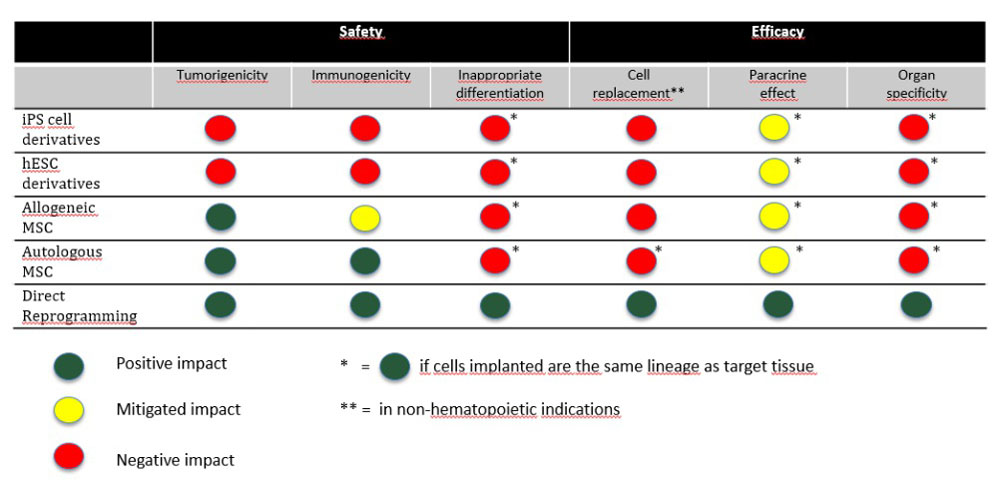
The Future of Stem Cell Therapeutics – Balancing Safety and Efficacy
What do we know of the safety and efficacy of stem cell therapeutics? Over 50 years have passed since the discovery of hematopoietic stem cells (bone marrow transplantation to cure diseases such as leukemia), over 24 years since the discovery of human embryonic stem cells (hESC), and 18 years since the discovery of induced pluripotent stem cells (iPS cells). There are now thousands of stem cell trials underway in clinics worldwide. Despite this experience, what do we actually know about the safety and efficacy of stem cell therapeutics? [Read more…]
How Long Does It Take for Stem Cell Therapy to Work?
Are you considering having stem cell therapy? If so, you’re probably wondering, how long does it take for stem cell therapy to work?
In this article, we will go over what stem cell therapy is, how the various procedures work, and what to expect post stem cell treatment. It’s important to know that extremely few stem cell procedures are FDA approved, so you will need to do your due diligence.
Keep reading to get informed on this topic. [Read more…]
4 Major Areas of Commercialization for iPS Cells
Since the discovery of induced pluripotent stem cells in 2006, a great deal of basic research has been done to understand how to produce, manipulate, and utilize the stem cell type. In addition to this important basic research, a great deal of applied (“translational”) results has been done with the cell type. Induced pluripotent stem cells (also called iPS cells or iPSCs) are revolutionizing regenerative medicine because they represent a potential route for producing patient-specific stem cells for research or clinical use.
In the future, iPS cells will facilitate progress in personalized medicine by allowing a patient to use his or her own cells. In addition, iPSCs also show great promise in other areas, such as phamaco-toxicological screening, by allowing disease modeling and safety assessment of potential new drugs under development, in short, facilitating the study of a “disease in a dish.”
What Is An Allogeneic Stem Cell Transplant?
People struggling with cancer may undergo an allogeneic stem cell transplant, which involves replacing unhealthy stem cells with new ones. Because using a patient’s own stem cell can be unpredictable, many patients use donated bone marrow stem cells for this procedure. If successful, the procedure can help fight off cancer and leukemia. Find out what allogeneic stem cell transplant is, including how it works, as well as the risks and benefits involved with the procedure. [Read more…]