
Mesenchymal stem cells (MSCs) are multipotent stem cells that can differentiate into a variety of cell types, including osteoblasts, chondrocytes, myocytes, adipocytes, beta-pancreatic islets cells, and potentially, other cell types. MSCs are of intense therapeutic interest, because they represent a population of cells with the potential to treat a range of acute and degenerative diseases. MSCs are advantageous over other stem cells types for a variety of reasons, including that they are immuno-privileged, making them an advantageous cell type for allogenic transplantation. Because of their unique capacity to form structural tissues, MSCs also being explored for use in 3D printing applications. [Read more…]
We Analyzed a Decade of Historical Information on Cord Blood & Cord Tissue Markets (This Is What We Learned)

The cord blood banking market is complex. There are regions experiencing growth and regions experiencing decline. There are extremely successful cord blood banks, and banks that are going out of business or being acquired by the competition.
In addition, there are unique opportunities occurring within the cord blood space that are based on emerging technologies, such as ex vivo expansion of cord blood.
The cord tissue market is also complex, although for different reasons. Today, half of all cord blood banks worldwide offer this service and the number is accelerating. Interestingly, the mesenchymal stem cells (MSCs) contained in cord tissue may have growing opportunities relative to the hematopoietic stem cells (HSCs) contained in cord blood, because MSCs just surpassed HSCs in the scientific literature for the first time in history.
For this reason, BioInformant is offering industry-leading market intelligence for both cord blood and cord tissue markets for the next 14 days only.
Act by Feb 29, 2016, and you can get two reports for the price of one, a savings of $3,795.
CORD BLOOD + CORD TISSUE PACKAGE:
- Complete 2015-16 Global Cord Blood Banking Industry Report
- Mesenchymal Stem Cells – Advances & Applications
This is an exclusive offer available only to BioInformant readers, so enter the coupon code “CordBloodCordTissue” during checkout (for either product) and you will automatically receive the other report for free.
To compete within the global cord blood banking market, you need to be informed about both cord blood and cord tissue markets. This is your opportunity to get a strategic edge.
Is It the Era for Mesenchymal Stem Cells (MSCs)?

Wow! For the first time in history, the research of mesenchymal stem cells surpassed hematopoietic stem cell research within the scientific literature in 2015.
This is major news for the stem cell community, because it represents a shift in stem cell research activity.
Mesenchymal stem cells, of the five types analyzed, were the only type to also experience an increase in frequency of publication from 2014 to 2015 as well. Conversely, all four other types experienced decreases in publication during the aforementioned period.
Check out the metrics here: Mesenchymal Stem Cells Surpass Hematopoietic Stem Cells in the Scientific Literature for the 1st Time in History [Read more…]
Cynata Receives Favourable Advice from UK Regulatory Authority – Prepares to Initiate Clinical Trial of 1st Allogenic iPSC-derived MSC Product

In major news released today, Cynata Therapeutics announced that it had received favorable advice from the UK regulatory authority, a step forward in the development of its proprietary Cymerus™ therapeutic mesenchymal stem cell (MSC) technology. This input from the UK regulatory authority (MHRA) will allow Cynata to proceed with its plans to conduct a Phase 1 clinical trial in graft-versus-host disease in the UK. It also gives Cynata a clear path forward to commence the clinical development program of this valuable technology.
Formal meetings with other national regulatory bodies are scheduled within the coming weeks, the outcome of which will allow Cynata to consider further jurisdictions for the trial. The trial remains on track to commence during the second quarter of 2016. [Read more…]
Improving Access to Donor- and Disease-Specific Stem Cells – Interview with Alec Lee of Extem Bioscience
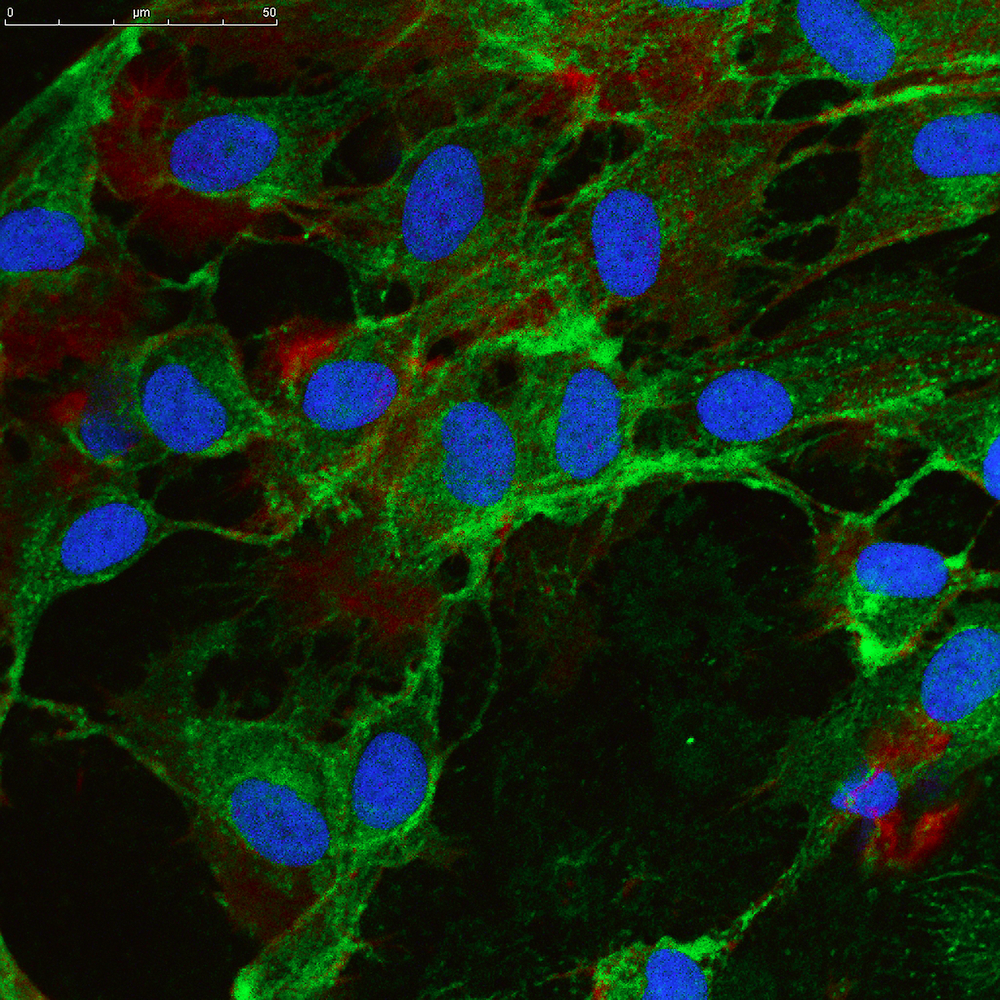
 This is an interview with Alec Lee, Head of Business Development at Extem Bioscience, an innovative stem cell company that has developed a new device and process to purify and expand adult stem cells in greater numbers.
The company is focused on the isolation, rapid purification, and expansion of adult mesenchymal stem cells (MSCs). Enjoy these insights into Extem’s future strategies and directions. [Read more…]
- « Previous Page
- 1
- …
- 5
- 6
- 7
- 8
- 9
- …
- 11
- Next Page »