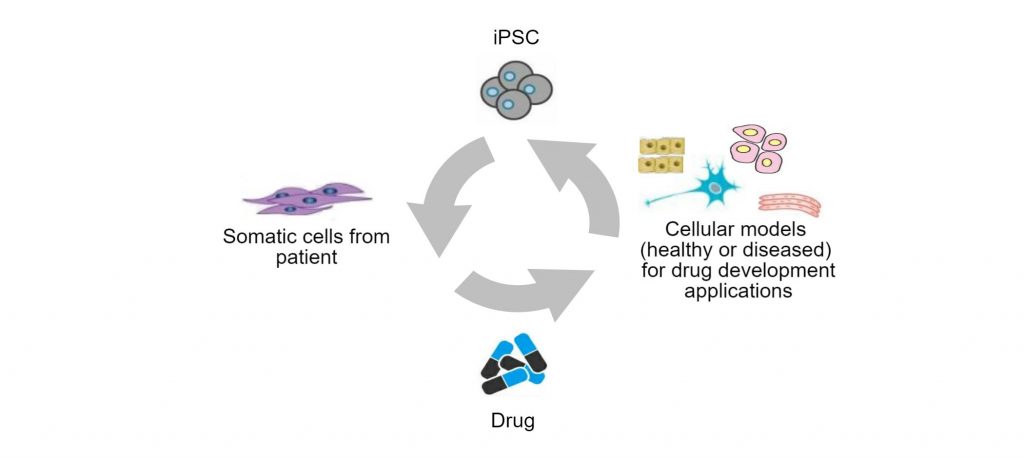
 Founded in 2001 and headquartered in Cologne, Germany, Axiogenesis is one of a small number of companies specializing in induced pluripotent stem cell (iPSC) products. The company also has an American subsidiary that was founded in 2014 and is located in Philadelphia, Pennsylvania. Since its launch, the company has grown into a market leader for in vitro models of healthy and diseased cell types and tissue. [Read more…]
If You’re Investing in the Cord Blood Market, You Need to Know These Metrics [Infographic]

Hematopoietic Stem Cell Transplant Rates, Utilization of Cord Blood, Awareness Rates, and More
The cord blood banking market has emerged gradually over the past 40 years, as 1974 was the first year in which it was proposed that stem and progenitor cells were present in human cord blood.[1] In the forthcoming years it was established that cord blood stem cells had similar properties as bone marrow and could be used as an alternative. Because it is a rich source of highly primitive hematopoietic stem cells, umbilical cord blood has enormous regenerative potential for stem cell based therapy, both for the treatment of hematological and non-hematological disorders.
[Read more…]
iPSC Market: 3 Major Market Forces (and Why You Should Care) | Infographic
The induced pluripotent stem cell (iPSC) market first emerged in 2006, when iPSC technology was pioneered by Shinya Yamanaka’s lab at Kyoto University in Japan. The shocking discovery that the introduction of four transcription factors into adult cells could convert them into pluripotent stem cells sent waves of excitement throughout the scientific community.
This landmark event came to represent one of the greatest stem cell research discoveries of all time and was memorialized in 2012, when Dr. Yamanaka and Sir John Gurdon were awarded the Nobel Prize “for the discovery that mature cells can be reprogrammed to become pluripotent.”
iPSC technology has since revolutionized how stem cells are derived, differentiated, and acquired in industrial quantities. It has also dramatically affected our understanding of how human cells and organisms develop.
[Read more…]