
Among the three applications of platelet rich plasma (PRP), bone marrow aspirate concentrate (BMAC), and autologous fat concentration), PRP has the greatest market potential for current and future treatments. Bone marrow aspirate concentrate (BMAC) represents the next greatest market potential, followed by autologous fat concentration. [Read more…]
Improving Access to Donor- and Disease-Specific Stem Cells – Interview with Alec Lee of Extem Bioscience
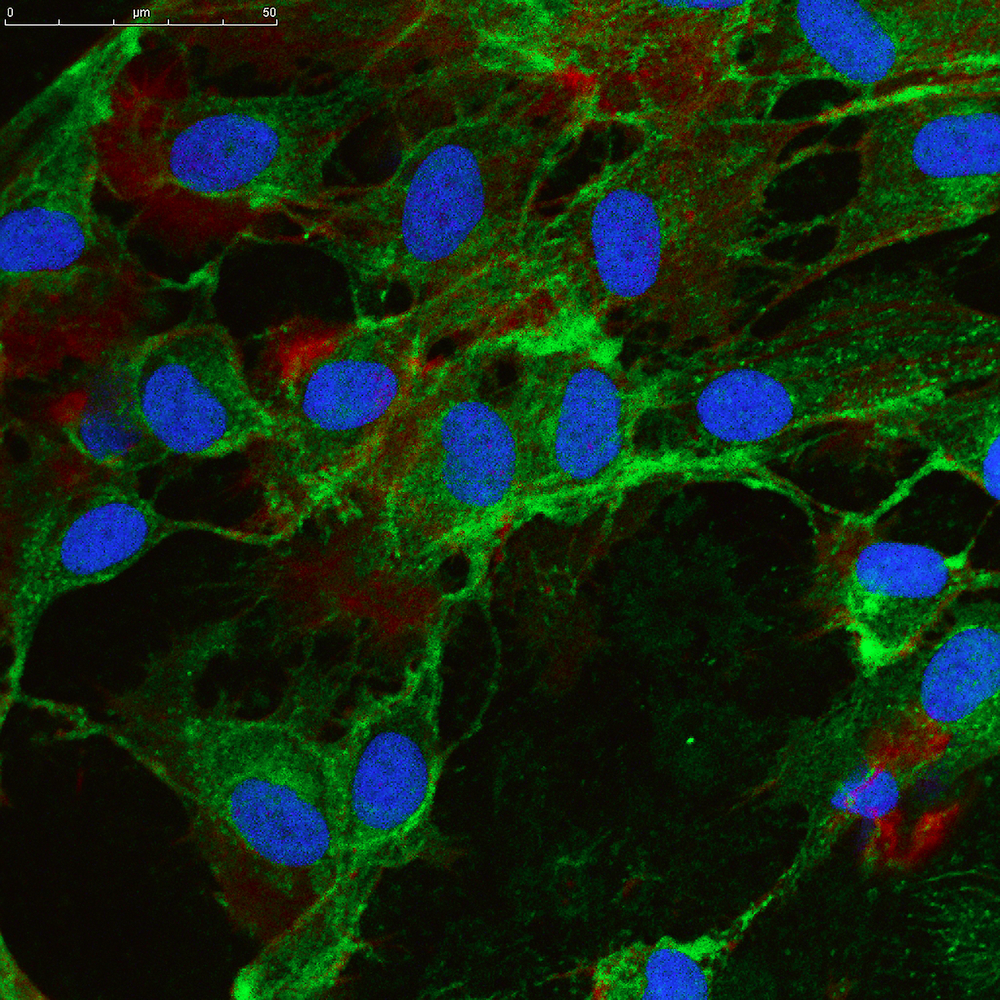
 This is an interview with Alec Lee, Head of Business Development at Extem Bioscience, an innovative stem cell company that has developed a new device and process to purify and expand adult stem cells in greater numbers.
The company is focused on the isolation, rapid purification, and expansion of adult mesenchymal stem cells (MSCs). Enjoy these insights into Extem’s future strategies and directions. [Read more…]
Tisch MSRCNY to Launch Phase II Stem Cell Trial for Multiple Sclerosis (MS)


Dedicated to identifying the cause of multiple sclerosis (MS), the Tisch MS Research Center of New York was formally launched in 2006. However, it grew out of the MS center at the Neurological Institute of New York of the Columbia University Medical Center, a group which Dr. Saud Sadiq joined in 1992. [Read more…]
Transplanting Neural Stem Cells for Therapeutic Purposes – Parkinson’s, Alzheimer’s, MS, and More
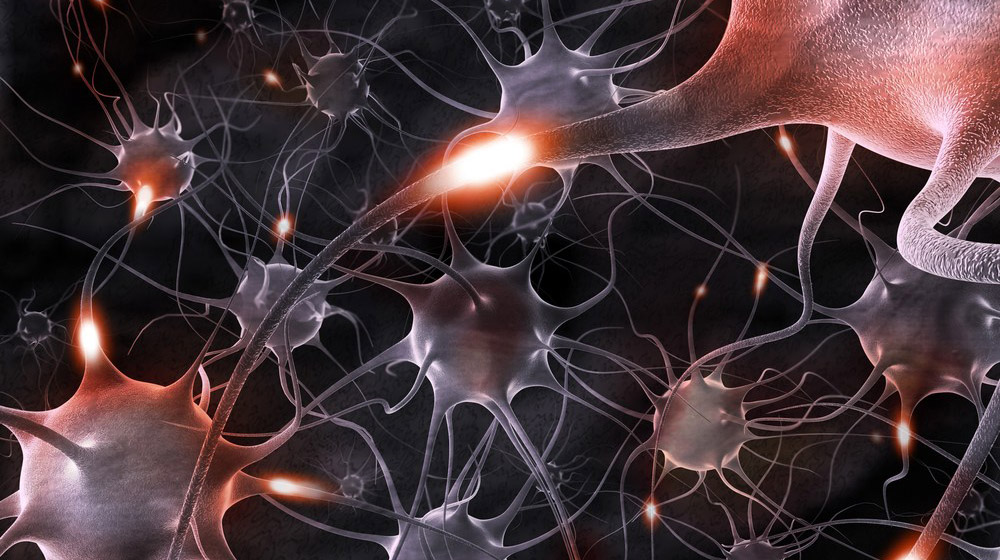
While research around neural transplantation was initially viewed as a research method for understanding neural development, it has since gained attention as a therapeutic intervention.
Neural Stem Cell Transplant
In this article:
- Can Stem Cells Repair Brain Damage?
- Current Treatment for CNS Disorders
- Recent Brain Stem Cell Research
- Future of Neural Stem Cell Research
Can Stem Cells Repair Brain Damage?
Stem cells are now being explored as a potential treatment for a range of chronic neurological diseases and acute CNS injuries, including:
- Parkinson’s
- Stroke
- Spinal Cord Injury
- Alzheimer’s
- Other
- Huntington’s
- Multiple Sclerosis (MS)
- Epilepsy
- Amyotrophic Lateral Sclerosis (ALS)
- Schizophrenia
- Cerebral Palsy
How the U.S. and E.U. are Incorporating Neural Stem Cells into Neurotoxicity Assays

An important application for neural stem and progenitor cells is their use in neural toxicology assessments.
The motivation to develop alternative methods for assessing neurotoxicity has been facilitated by recent legislation in both Europe and the United States. This legislation has focused on controlling the risk of chemical effects on human health by prescribing the increased testing of chemicals and chemical products to predict their potential hazards, with emphasis on the use of emerging technologies and in vitro testing systems. This type of approach has been proposed by the National Research Council (NRC) Committee on Toxicity Testing and Assessment of Environmental Agents in the publication “Toxicity Testing in the Twenty-first Century: A Vision and a Strategy.”1
Additionally, and in response to a considerable rise in the incidence of neurodevelopmental disease in children and the large resource requirements of traditional methods, the push for new testing options for neurotoxicity has recently focused on developmental neurotoxicity testing (DNT). Workgroups in the United States and Europe have set forth proposals for the systematic evaluation of alternative methods for DNT, including the use of in vitro and non-mammalian test systems.2
For both adult and developmental neurotoxicity testing, the move away from whole-animal testing is dependent upon scientific advances in neurobiology that demonstrate the molecular and cellular basis of nervous system function. Then, increased emphasis needs to be placed on developing in vitro models based on human cell systems. While there are a number of human neuronal cell lines available, human neural stem cells show particular promise.3
Recently, neural stem cells of human origin have been immortalized to create clonal neural stem cell lines.4 Several human stem cell cultures that can be differentiated in mature cultures of neurons and glia are also commercially available. As assays for neurotoxicity using cells of human origin are compared with more widely used neural cell cultures of animal origin, it will become clear if there is a predictive improvement.
In the meantime, there will be market appetite for the development of standardized neurotoxicity assays using both human and animal neural stem cell lines.
Want to be better informed than your competition? Get future stem cell industry updates.
About Us
BioInformant is the only research firm that has served the stem cell sector since it emerged. Our management team comes from a BioInformatics background – the science of collecting and analyzing complex genetic codes – and applies these techniques to the field of market research. BioInformant has been featured on news outlets including the Wall Street Journal, Nature Biotechnology, CBS News, Medical Ethics, and the Center for BioNetworking. Serving Fortune 500 leaders that include GE Healthcare, Pfizer, Goldman Sachs, Becton Dickinson, and Thermo Fisher Scientific, BioInformant is your global leader in stem cell industry data.
Click here to view our global strategic reports for the stem cell and cord blood industry.
Footnotes:
1 National Research Council. “Toxicity testing in the twenty-first century: a vision and a strategy.” The National Academies Press. Available at: http://www8.nationalacademies.org/onpinews/newsitem.aspx?RecordID=11970. Accessed January 15, 2016.
2 Lein, P, Locke, P, Goldberg, A. “Meeting report: alternatives for developmental neurotoxicity testing. Enviro. Health Perspect 2007; 115, 764-768 2007.
3Mundy W. “Non-Animal Methods for Toxicity Testing. “Alternative Methods for Neurotoxicity”. U.S. Environmental Protection Agency, Neurotoxicology Division (B105-06). AltTox.org. Available at: http://www.alttox.org/ttrc/toxicity-tests/neurotoxicity/way-forward/. Accessed January 16, 2016.
4 De Filipis L, et al. “Immortalization of Human Neural Stem Cells with the c-Myc Mutant T58A.” Available at: http://www.plosone.org/article/info:doi%2F10.1371%2Fjournal.pone.0003310. Accessed January 16, 2016.
- « Previous Page
- 1
- …
- 181
- 182
- 183
- 184
- 185
- …
- 201
- Next Page »