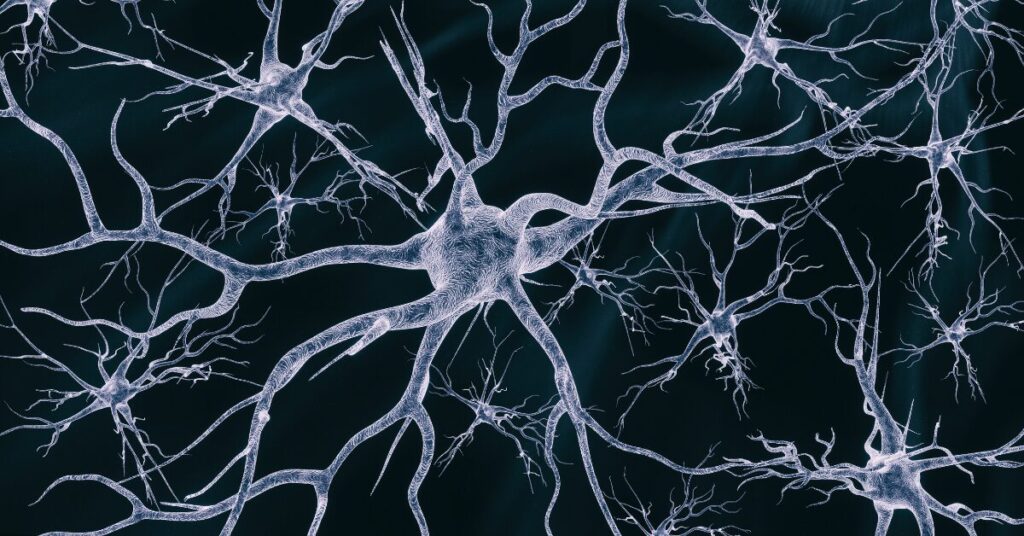
Neurogenesis is the process by which neurons are created. This process is most active during pre-natal development when neurogenesis is responsible for populating the growing brain. Neural stem cells (NSCs) are the self-renewing, multipotent cells that differentiate into the main phenotypes of the nervous system. These cell types include neurons, astrocytes, and oligodendrocytes. Neural progenitor cells (NPCs) are the progeny of stem cell division that normally undergo a limited number of replication cycles in vivo. [Read more…]
Genetically Modified Muscle Progenitor Cells with Stem Cell Medicine Ltd.
In the world of stem cells, there are a number of well-recognized market participants that receive a great deal of attention from the stem cell community.
At the same time, there are brilliant companies that quietly operate under the radar screen, building themselves up one intelligent and methodical step at a time. [Read more…]
ORIG3N and Kangstem Biotech Partner to Investigate Induced Neural Stem Cells for Disease Modeling
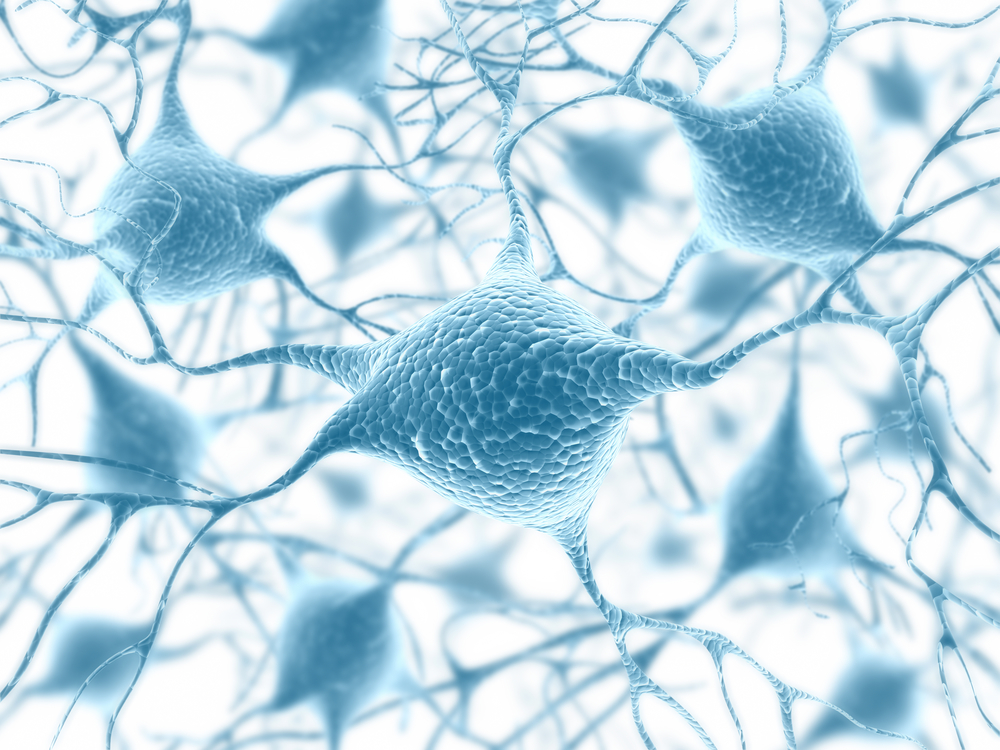
Boston biotech company ORIG3N has announced a collaboration with South Korea’s Kangstem Biotech in a joint effort to gain insight on the effectiveness of induced neural stem cells (iNSC) in disease modeling. As a pioneer of regenerative medicine, ORIG3N is leading the way towards the future of medicine by crowdsourcing blood samples to create the world’s largest and most diverse biorepository of stem cells.
As part of this collaboration, Kangstem Biotech will be providing iNSC’s to ORIG3N for research. This partnership between a pioneer in the biotechnology industry and one of the largest global biopharmaceutical companies is an exciting development in regenerative medicine. [Read more…]
STEMCELL Technologies Partners with IMBA to Commercialize Brain Organoids
(‘Mini Brains’) for Researchers
Challenges and Questions Surrounding the Use of Neural Stem Cells in Treating Brain Tumors
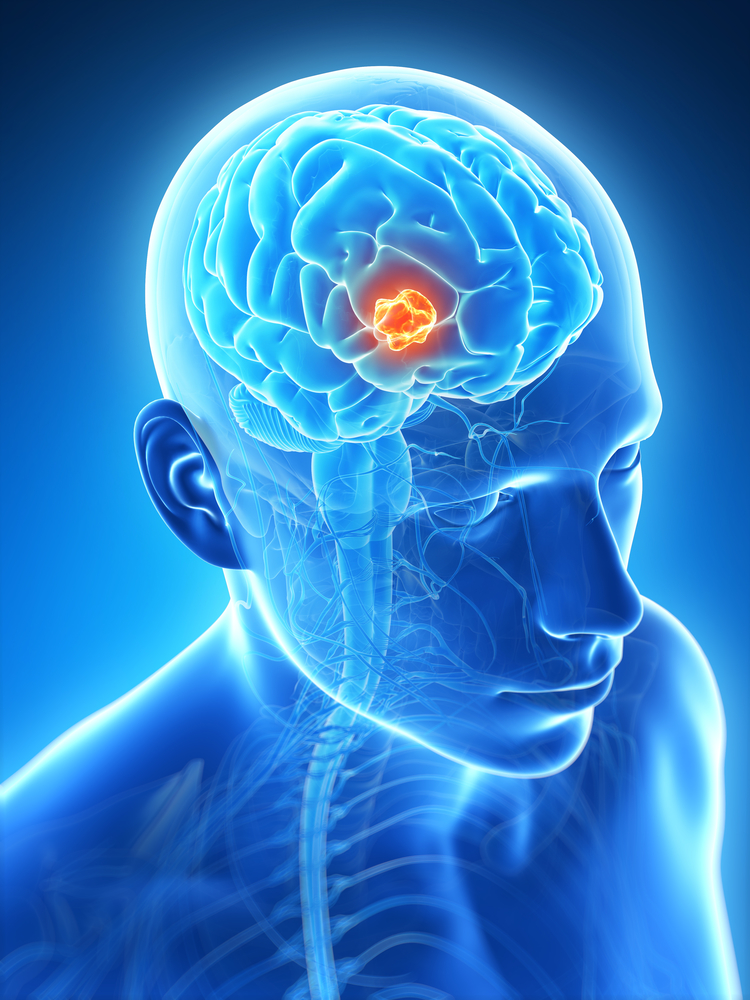
During development, the major classes of neural cells are derived from cells of the neuroepithelium. At present, it is not known how the fate of these divergent cell types is determined or how they relate to highly heterogeneous brain tumors. To date, there is also a lack of understanding of the cells of origin for distinct tumor types.1
To design therapeutic approaches for treating brain tumors requires an understanding of the signal transduction pathways utilized by different tumor cells for regulating cell fates (including cell differentiation, proliferation and death). Any findings in this area will need to be compared to signal transduction pathways in normal neural progenitors. [Read more…]