
LONDON, UK and BOCA RATON, FL, — INmune Bio Inc. (NASDAQ: INMB), a clinical-stage biotechnology company, and Anthony Nolan, a pioneering UK-based charity that set up the world’s first stem cell register and is now driving forward cell therapy advancements, announced the signing of an amended and restated Material Transfer and License Agreement. This expanded collaboration secures the long-term provision of high-quality umbilical cord tissue to power INmune Bio’s CORDStrom™ platform, the industry’s most advanced Mesenchymal Stromal Cell (MSC) technology designed to deliver consistent, scalable, and “off-the-shelf” cellular therapies which are suitable for supply in UK, EU and US, as well as other global regions. [Read more…]
Cord Blood
Because cord blood present within a newborn’s umbilical is rich with stem cells, it can be collected and stored for future medical use.
Changing Dynamics in Umbilical Cord Blood and Tissue Banking in 2026
Cord blood is the blood that remains in the umbilical cord after the delivery of a newborn. It is a rich source of stem cells and immune system cells. During cord blood banking, these cells are isolated and cryopreserved for future use. The cells are collected from the two arteries and the vein which run along the length of the umbilical cord. The Wharton’s jelly is a gelatinous tissue that composes the umbilical cord, which also contains valuable therapeutic cells such as MSCs. [Read more…]
Pivotal Trends Impacting the Global Cord Blood and Tissue Industry in 2026

The cord blood industry came into existence in the early 1990’s with the formation of several cord blood banks in the U.S. and worldwide. It has been 40 years since it was first proposed that stem and progenitor cells were present in human cord blood. [Read more…]
List of U.S. Cord Blood Banks – Public, Private, and Hybrid (2026)

A cord blood and tissue bank is a facility that collects, processes, and stores stem cells from a newborn’s umbilical cord blood and tissue for potential future use in medical treatments. These banks preserve the stem cells for therapies such as transplants for blood cancers or genetic disorders and may also store tissue for regenerative medicine applications
This sortable list below includes all known Public, Private, and Hybrid Cord Blood Banks in the United States, including:
- Private cord blood banks store cord blood units for private use by individual families (for a fee)
- Public cord blood banks store cord blood donations for public use (free of cost)
- Hybrid cord blood banks offer both public and private cord blood banking services
Currently, Cord Blood Registry (CBR) is the largest U.S. cord blood bank with over one million cord blood and tissue units in storage. The next largest cord blood banks in the U.S. are Viacord and Cryo-Cell.
What are Placental Stem Cells and What are They Used For?
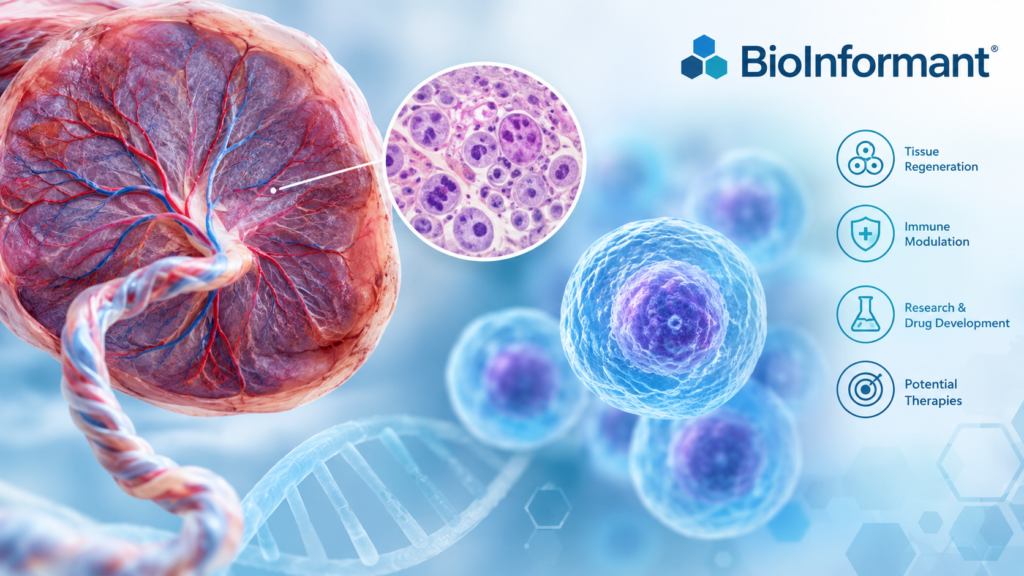
What are placental stem cells and what are placental stem cells used for? As placental stem cells get explored for a variety of therapeutic applications, these questions become increasingly important. The opportunity to collect placental stem cells is also a once in a lifetime opportunity. [Read more…]
- « Previous Page
- 1
- 2
- 3
- 4
- 5
- …
- 62
- Next Page »