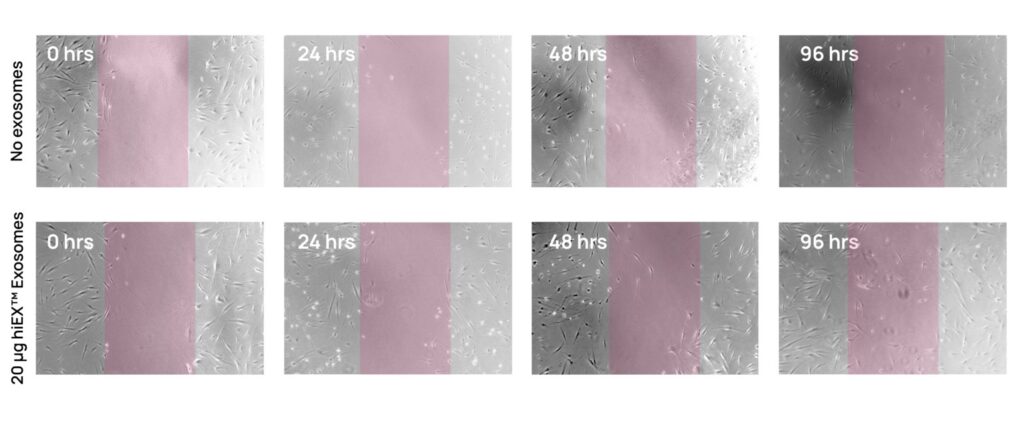
MILPITAS, Calif., June 24, 2025 — Applied StemCell, a leading provider of advanced stem cell and gene editing technologies since 2008, today announced the release of hiEX™ Research iPSC Exosomes, a new research-use-only product designed to enable scientists to explore the therapeutic potential of iPSC-derived exosomes in areas such as wound healing, aging, and nerve regeneration. [Read more…]
Winner of the “Biotherapies and Bioproduction” Call for Projects Under the France 2030 plan, EVerZom Receives €3M in Government Funding to Industrialize its Exosome Bioproduction Technology

Paris, June 17, 2025 – EVerZom, a French biopharmaceutical company pioneering exosome-based therapies for regenerative medicine applications, has announced it has received €3 million in funding as part of the France 2030 plan, through the “Biotherapies and Bioproduction of Innovative Therapies” call for projects, operated by Bpifrance on behalf of the French government. This financial support will enable the company to accelerate the industrialization of its exosome bioproduction platform to develop its proprietary and co-developed drug candidates. [Read more…]
RoosterBio Announces Collaboration with Thermo Fisher Scientific to Advance Cell and Exosome Therapy Manufacturing
FREDERICK, MD., (April 29, 2025) —RoosterBio, Inc., a leading supplier of adult human mesenchymal stem/stromal cells (hMSCs), highly engineered media, and bioprocess development services, announced a new collaboration with Thermo Fisher Scientific, the world leader in serving science. This collaboration aims to accelerate the availability of new, potentially life-saving cell and exosome therapies that have the potential to revolutionize the treatment of degenerative disease. [Read more…]
Exosome Research: Who Is Dominating in the Scientific Literature?
Exosome research is experiencing rapid growth, driven by the increasing recognition of their critical role in intercellular communication and molecular transport. These extracellular vesicles act as natural carriers of proteins, lipids, and genetic material, influencing a wide range of physiological and pathological processes. As a result, they are emerging as a promising tool in regenerative medicine, drug delivery, and disease diagnostics.
Beyond their biological significance, exosomes are attracting attention for their potential therapeutic applications. Because they can mediate many of the beneficial effects traditionally associated with cells—without the same risks of immune rejection or uncontrolled proliferation—they are increasingly attracting attention and investment. [Read more…]
Dr. Askenase on the Role of MSC-Derived Exosomes in Healing the Injured Spinal Cord
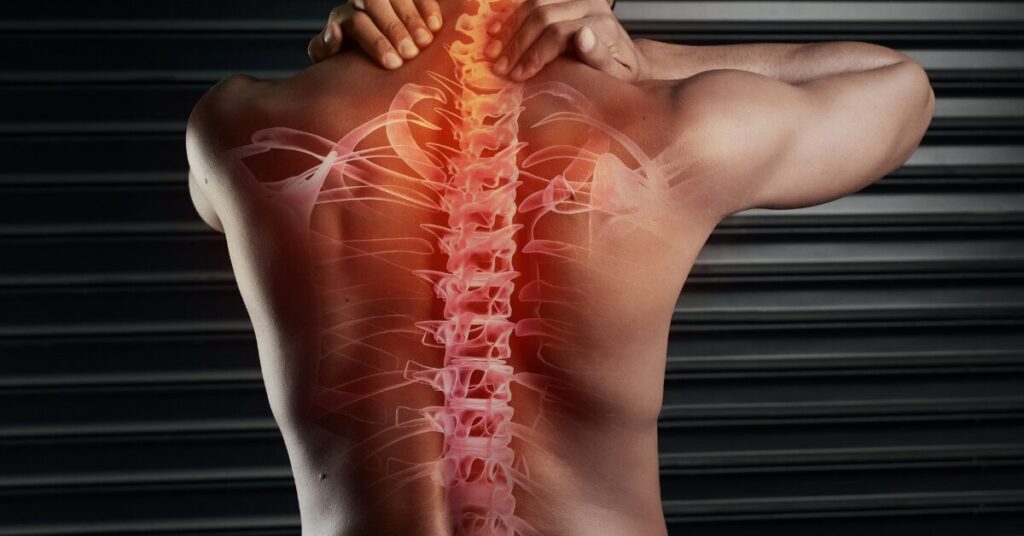
This interview features Dr. Philip Askenase, MD, a Professor of Medicine and Pathology at Yale University School of Medicine. A leading expert in the effector properties of exosomes, Dr. Askenase is now delving into the regenerative potential of mesenchymal stem cell (MSC)-derived exosomes.
His latest, as-yet-unpublished research focuses on using MSC-derived exosomes to promote healing in injured spinal cords in rats. In our conversation, we examine the expanding significance of MSC-derived exosomes, their unique advantages, and diverse applications. We also discuss the market opportunities for stem cell exosomes and the companies driving innovation in this emerging field.
- « Previous Page
- 1
- 2
- 3
- 4
- 5
- 6
- …
- 12
- Next Page »