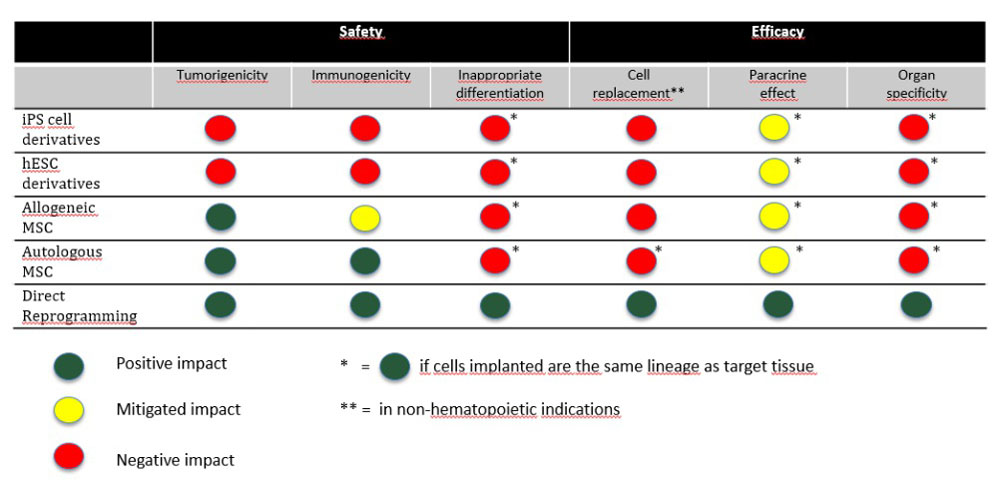
What do we know of the safety and efficacy of stem cell therapeutics? Over 50 years have passed since the discovery of hematopoietic stem cells (bone marrow transplantation to cure diseases such as leukemia), over 24 years since the discovery of human embryonic stem cells (hESC), and 18 years since the discovery of induced pluripotent stem cells (iPS cells). There are now thousands of stem cell trials underway in clinics worldwide. Despite this experience, what do we actually know about the safety and efficacy of stem cell therapeutics? [Read more…]
Mesenchymal Stem Cells (MSCs)
Mesenchymal stem cells (MSCs) are a well-characterized population of adult stem cells that can differentiate into a variety of cell types (chondrocytes, osteoblasts, adipocytes, myocytes, and more).
10 Remarkable Benefits of MSCs That Make Them Exceptional

MSCs are advantageous over other cell types for a variety of reasons. First, they avoid the ethical issues that surround embryonic stem cell research.
Second, repeated studies have found MSCs to be immuno-privileged, which make them an advantageous cell type for allogeneic transplantation. MSCs reduce both the risks of rejection and complications of transplantation. [Read more…]
MSCs as an Appealing Raw Material for Use in Regenerative Medicine
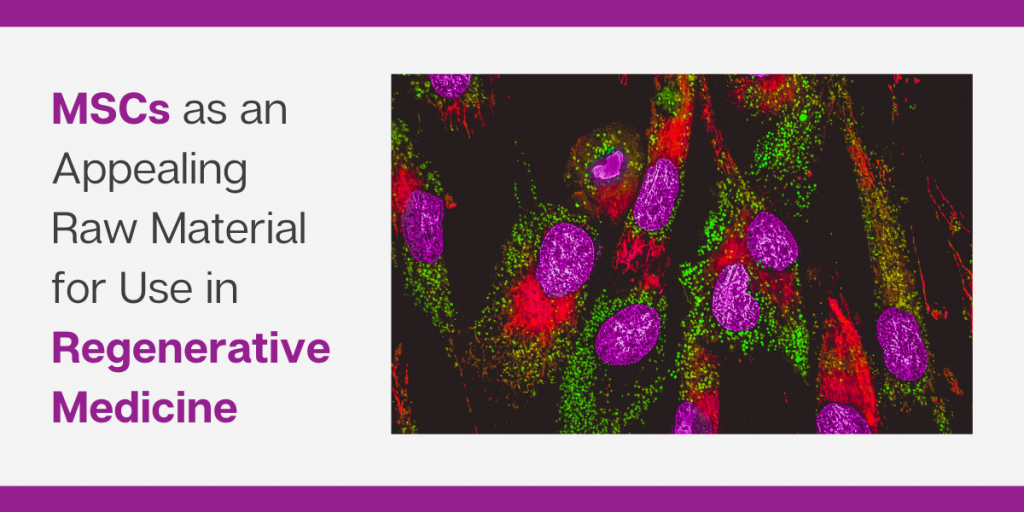
Mesenchymal stem cells (MSCs) are a type of non-controversial, adult cell. When manipulated within a laboratory, then can be differentiated into the specialized cells found in skeletal tissues, such as cartilage cells (chondrocytes), bone cells (osteoblasts), and fat cells (adipocytes). In contrast, stem cells derived from embryos are capable of developing into all the different types of cells found in our body, which makes them more versatile than MSCs, but also more controversial. Induced pluripotent stem cells also exhibit greater pluripotency, but as modified cells, they come with a greater set of regulatory challenges. [Read more…]
CHU Toulouse and Cell-Easy Launch A-MUSE, a Phase 1/2 Clinical Trial Evaluating the CellReady® Allogeneic MSC Platform in Systemic Sclerosis

Toulouse, January 22, 2026 — Cell-Easy, a CDMO specialized in the development and GMP manufacturing of Advanced Therapy Medicinal Products (ATMPs), announces a new clinical milestone achieved in close collaboration with Toulouse University Hospital (CHU Toulouse). The European Medicines Agency (EMA) has granted Clinical Trial Authorization (CTA) for AMUSE, a Phase 1/2 clinical trial evaluating the safety and efficacy of an allogeneic mesenchymal stromal cell (MSC) therapy in patients with systemic sclerosis presenting perioral fibrosis and functional impairment. [Read more…]
What Diseases Can Be Treated with Stem Cell Therapy?

Stem cell therapy has the potential to provide alternative treatment approaches to quite a few common and debilitating ailments. For example, stem cell transplants, called hematopoietic stem-cell transplantation (HSCT), are commonly used to support a cancer patient’s immune system. Likewise, stem cell treatments appears to be useful for a diverse range of applications, from the treatment of orthopedic injuries and arthritis to the treatment of neurodegenerative diseases.
Every year, research continues to find ways to utilize stem cells to improve the quality of life of patients. [Read more…]
- « Previous Page
- 1
- …
- 3
- 4
- 5
- 6
- 7
- …
- 59
- Next Page »