
Toulouse, France, January 16, 2025 – The long-term partnership between Cell-Easy and Toulouse University Hospital (CHU Toulouse) continues to bear fruits, bringing innovative MSC-based therapies to local patient cohorts. This time, it’s in the field of Crohn’s disease that the pair is experimenting with the allogeneic cell therapy approach. By tackling all CMC, regulatory and medico-economic concerns, the Cell-Easy CDMO has succeeded in developing a cell therapy drug from scratch in just 2 years. The principal investigator Dr Etienne Buscail, a colo-rectal surgeon and proctologist at Toulouse University Hospital, recently submitted a request for authorization of CTA to the European Agency EMA, which was rapidly accepted. An initial cohort of patients suffering from Crohn’s disease will be able to benefit from this experimental innovant treatment starting in 2025 Q1. [Read more…]
Mesenchymal Stem Cells (MSCs)
Mesenchymal stem cells (MSCs) are a well-characterized population of adult stem cells that can differentiate into a variety of cell types (chondrocytes, osteoblasts, adipocytes, myocytes, and more).
China’s NMPA Approves Country’s First MSC-Based Cell Therapy, Ruibosheng

On January 2, 2025, China’s National Medical Products Administration (NMPA) granted conditional approval to Platinum Life Excellence Biotech Co. Ltd.’s amimestrocel injection (hUC-MSC PLEB-001), marking a significant milestone in the country’s medical and biotechnological advancements. The product is being marketing under the brand name Ruibosheng. This approval designates it as China’s first human umbilical cord-derived mesenchymal stem cell (hUC-MSC) therapy, offering a promising treatment option for steroid-refractory acute graft-versus-host disease (GVHD), a serious and often fatal complication following stem cell transplants. [Read more…]
MSCs for Regenerative Medicine – Serum-Free, Xeno-Free Differentiation Media
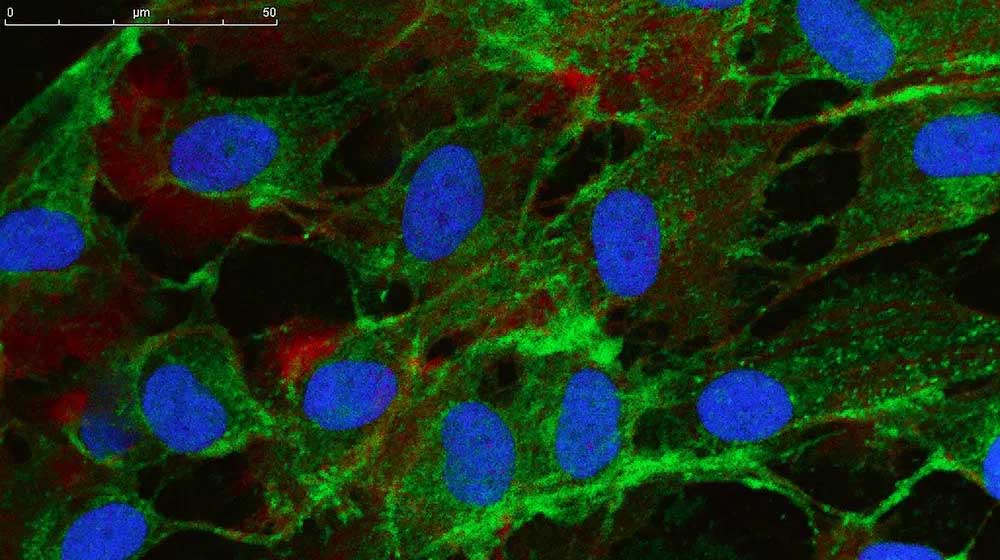
Since the discovery of mesenchymal stem cells (MSCs) by Friedenstein and his colleagues in 1976, MSCs have become one of the fastest growing areas of stem cell research. They are more frequently cited than any other stem cell type within the scientific literature, Google Trend data shows MSC searches to be approximately twice as common as the next most common adult stem cell type, and at least 1,753 MSC clinical trials have been pursued worldwide. There have also been an absolutely astounding 107,232 scientific articles published about MSCs to date. [Read more…]
From Feeder-free to Coating-free, DuoGenic StemCells corporation has developed the next generation hPSC culture medium: DuoESy.
1. Introduction: Regenerative Medicine in Taiwan
Taiwan is famous for its semiconductor, night markets and pearl milk tea. But few people know that the public health insurance, medical technique and cell therapy are also flourishing.
In 2018, Taiwan government partially lifted the regulation on cell therapy with a positive list according to the “Regulations of Special Medical Techniques”. The permitted cell types include autologous immune cell (NK, CIK etc.), chondrocyte, fibroblast, ADSC and BM-MSC for specific indications respectively. [Read more…]
Cynata Introduces Critical Innovation into MSC Manufacturing
In the context of cell therapy, product innovation is the introduction of a cellular product that is new or has significantly improved characteristics or intended uses. Over the past decade, a great deal of attention has been given to cell therapy product innovation, as demonstrated by the thousands of cell therapy products that have now entered clinical trials worldwide.
In contrast, process innovation refers to the implementation of a new or significantly improved production or delivery method. In the context of cell therapy, process innovation has received much less attention from the marketplace. [Read more…]
- « Previous Page
- 1
- …
- 9
- 10
- 11
- 12
- 13
- …
- 59
- Next Page »