 Recently, Biological Industries (BI) submitted a Drug Master File (DMF) to the U.S. Food and Drug Administration (FDA) for purposes of moving its NutriStem® hPSC XF Medium toward being certified for clinical applications. The product is a defined, xeno-free (XF), serum-free (SF) medium that supports the growth and expansion of human induced pluripotent stem (iPS) and embryonic stem cells (ESCs). [Read more…]
Stem Cell News
BioInformant's coverage of stem cell news includes iPS cells, mesenchymal stem cells, hematopoietic stem cells, neural stem cells and more.
As the first and only market research firm to specialize in stem cell news, BioInformant research has been cited by the Wall Street Journal, Xconomy, AABB, and Vogue Magazine.
Serving Fortune 500 leaders that include GE Healthcare, Pfizer, and Goldman Sachs, BioInformant is your global leader in stem cell industry news.
CariCord Partners with Singapore’s CellResearch Corp to Join “Global Cord Registry” & Launch Cord Tissue Storage in U.S.
 Singapore’s CellResearch Corporation has entered into an agreement with CariCord to provide umbilical cord tissue banking services within the United States. CariCord is the private cord blood and tissue banking partner of ClinImmune Labs at the University of Colorado.
As stated in the November 30, 2016, press release:
“CellResearch Corporation Pte Ltd (“CellResearch”), a Singapore-based company that specializes in stem cell technology, through its wholly owned subsidiary, CordLabs Pte Ltd (“CordLabs”), has entered into an agreement with CariCord Inc. (“CariCord”) to provide umbilical cord tissue banking services in the United States. CariCord is the private postnatal cord blood and tissue banking partner of ClinImmune Labs (“ClinImmune”) at the University of Colorado, Anschutz Medical Campus (“UCAMC”).
This agreement extends CellResearch’s on-going collaboration with ClinImmune. The two groups are already working together to obtain US Federal Drug Agency (“US FDA”) approval for Corlicyte™, a drug for the treatment of diabetic wounds. ClinImmune will produce the world’s first Current Good Manufacturing Practices (“cGMP”) cord lining mesenchymal stem cell lines for therapeutic use.”
 This license agreement also allows CariCord’s cord tissue clients to join CellResearch’s Global Cord Registry (“GCR”), “a proprietary registry for all clients who have saved cord lining stem cells with licensed partners.” The registry currently has 50,000+ registered clients, making it the largest group of its type in the world.
To learn more, read the full press release from CellResearch Corporation.
Using HLA “Super Donors”, ORIG3N’s Crowdsourced Cell Repository Contains Donor Matches for 90% of U.S.
 ORIG3N announced it has identified “super donor” matches for 90 percent of the U.S. population. The discovery will accelerate how quickly and successfully we match people for transplants, as tissue can be generated from these cells. ORIG3N was able to achieve this milestone approximately 5x faster than its Japanese counter parts because it has built the world’s largest crowdsourced cell repository called LifeCapsule.
HLA is short for “human leukocyte antigen.” It is a gene complex encoding the cell-surface proteins that control regulation of the human immune system. More simply, it is a protein found on most cells of your body that determines how your body recognizes what is you versus other.
HLA “super donors” are people with tissues that are immunologically compatible with a large percentage of the human population. They are very rare in the population, making them difficult to identify.
The signficanceof this announcement by ORIG3N is that for the first time in history, a complete set of matched samples has been identified and can be industrially produced. Utilizing induced pluripotent stem cell (iPSC) technology, any of the 200+ tissues that compose the human body can now be created.
Importantly, these tissues would be an exact match to the individuals requiring them, even though they were derived from another person (an allogenic transplant).
According to ORIG3N, in the near future, this approach may allow people to rapidly get an exact match for a transplant, instead of waiting for months. Instead, tissues could be “pre-produced.”
For more information, visit www.orig3n.com.
What is the Most Predictive Cardiac Cell Model? FDA Publication Confirms COR.4U By Axiogenesis
Two recent peer-reviewed publications underline the predictive value of Axiogenesis Cor.4U iPSC-derived cardiomyocytes (iPSC-CMs).
There was a publication earlier this year by Astra Zeneca researchers that resulted in a somewhat negative perception (mostly by iPS cell skeptics) of iPSC-derived cells. The predictive value of iPSCs was questioned, with the abstract stating, “iCell® cardiomyocytes have limited value as an integrated QT/TdP assay, highlighting the urgent need for improved experimental alternatives that may offer an accurate integrated cardiomyocyte safety model for supporting the development of new drugs without QT/TdP effects.” [Read more…]
SanBio Granted Key Stem Cell Patent for Treatment of Traumatic Brain Injury (TBI)
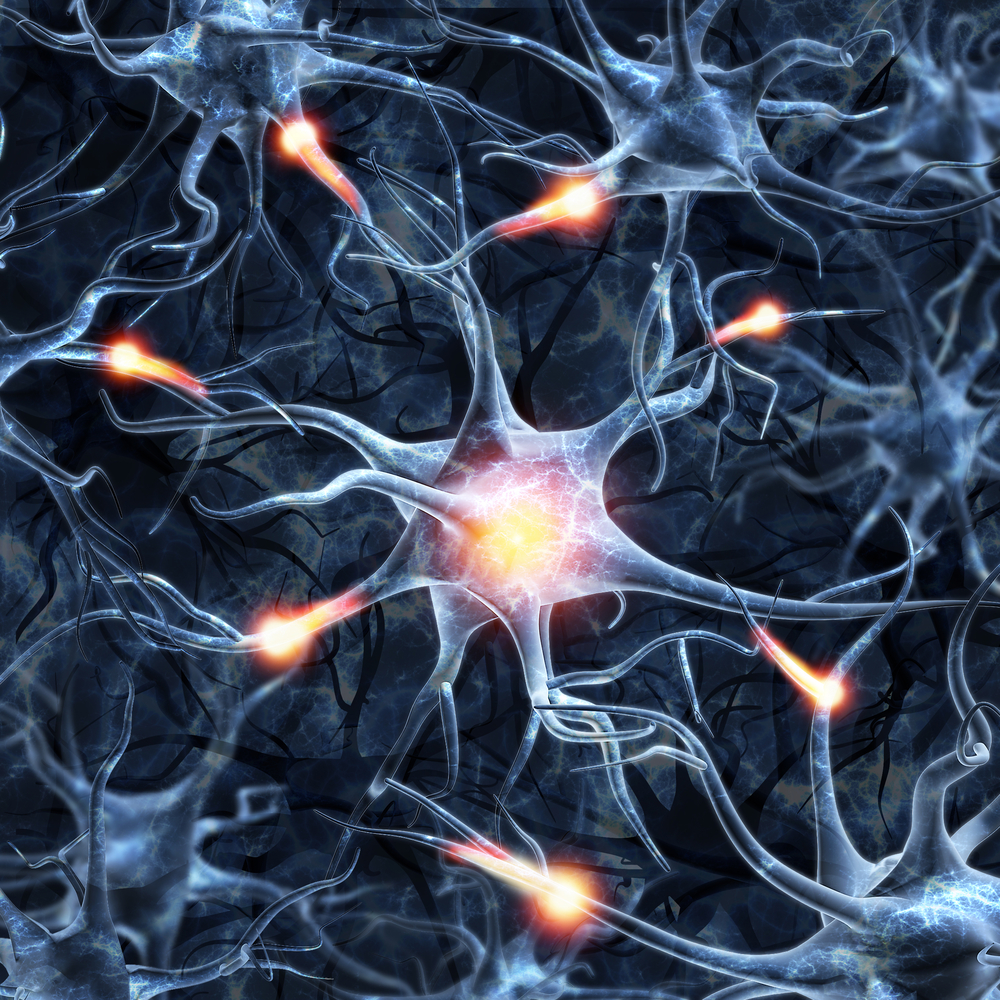
 SanBio, a stem cell and regenerative medicine company specializing in neurological disorders, announced that it has been issued a key patent by the Australian Patent Office covering its proprietary modified stem cells, SB623, for the treatment of traumatic brain injury. Australian Patent No. 2013263417 was formally issued on September 8, 2016.
To secure its proprietary technology, SanBio filed a global patent application for it modified stem cells (SB623), doocumenting its ability to support regenerative processes in the central nervous system (CNS). The patent also documents the ability of these cells to provide therapeutic support for a range of neurological disorders, including traumatic brain injury (TBI).
Australia was the first country to grant the patent to SanBio. The company is also seeking patent protection in other regions.
According to Dr. Damien Bates, Chief Medical Officer and Head of Research at SanBio, “There are 5.3 million people living with chronic disabilities from traumatic brain injury in the United States and more than 700,000 in Australia. We hope that SanBio’s regenerative medicine, SB623, will be able to serve as a treatment option for these patients.”
- « Previous Page
- 1
- …
- 138
- 139
- 140
- 141
- 142
- …
- 145
- Next Page »