
 Human induced pluripotent stem cell (iPSC) technology offers the benefits of a cell line, coupled with the advantage of using human primary cells. Applied StemCell (ASC) has developed a panel of iPSC lines for neurotoxicity assays and disease modeling applications. [Read more…]
Press Releases: Press releases are provided by the issuer and may be published by BioInformant as paid content. The issuer is solely responsible for the content and claims contained within these announcements. BioInformant does not independently verify or endorse the claims made by the issuer. For questions about an individual Press Release or to submit one, write us at [email protected].
Longeveron Begins Enrollment of Second Cohort of Phase 1 Alzheimer’s Disease Trial

MIAMI, May 10, 2017 —  Longeveron, a regenerative medicine company, announced that their Phase 1 Alzheimer’s disease trial will proceed with enrollment at the recommendation of an independent Data Monitoring Committee (DMC) which reviewed data from the trial’s safety run-in phase.
The clinical trial is designed to assess the safety, tolerability and efficacy of intravenous infusion of two different doses of Longeveron mesenchymal stem cells (LMSCs) compared to placebo. The DMC reviewed safety data from a five-patient run-in phase where subjects diagnosed with Alzheimer’s disease were given a single infusion of either LMSCs or placebo. Longeveron now has the green light to continue the trial.
RoosterBio Launches Xeno-Free hMSC Cell Banks to Advance Stem Cell Biomanufacturing

RoosterBio Launches the Regenerative Medicine Industry’s First Xeno-Free hMSC Cell Banks to Advance and Simplify Stem Cell Biomanufacturing
 FREDERICK, MARYLAND, May 04, 2017–At a CAGR of 23.2% and estimated revenue of $68B by 2020, the Regenerative Medicine (“RM”) industry continues to call for new tools designed to accelerate this aggressive growth. Based on strong RM market demand, RoosterBio Inc today announces the launch of xeno-free (“XF”) human bone-marrow derived mesenchymal stem/stromal cell (hMSC) products.
Governments on Alert and Stockpiling Antidotes for Nuclear Accidents and Attacks

Many governments, including the U.S. and Japan, are well aware of the dangers to their populations of exposure to high levels of radiation from nuclear accidents or dirty bomb attacks. Whereas Japan’s population was recently exposed at Fukushima following the tsunami of 2011, the U.S. Department of Defense has been stockpiling acute radiation syndrome (ARS) countermeasures as a precaution for many years.
The recent escalation of tensions between North Korea and the U.S. may give the American government cause to up its investment in ARS antidotes. During a military parade on April 15th, North Korea displayed weapons including an intercontinental ballistic missile (ICBM) that could be capable of reaching the U.S. ARS may have just become a larger threat to health than it was just a few weeks ago. [Read more…]
Cynata Ramping Up Asthma Program
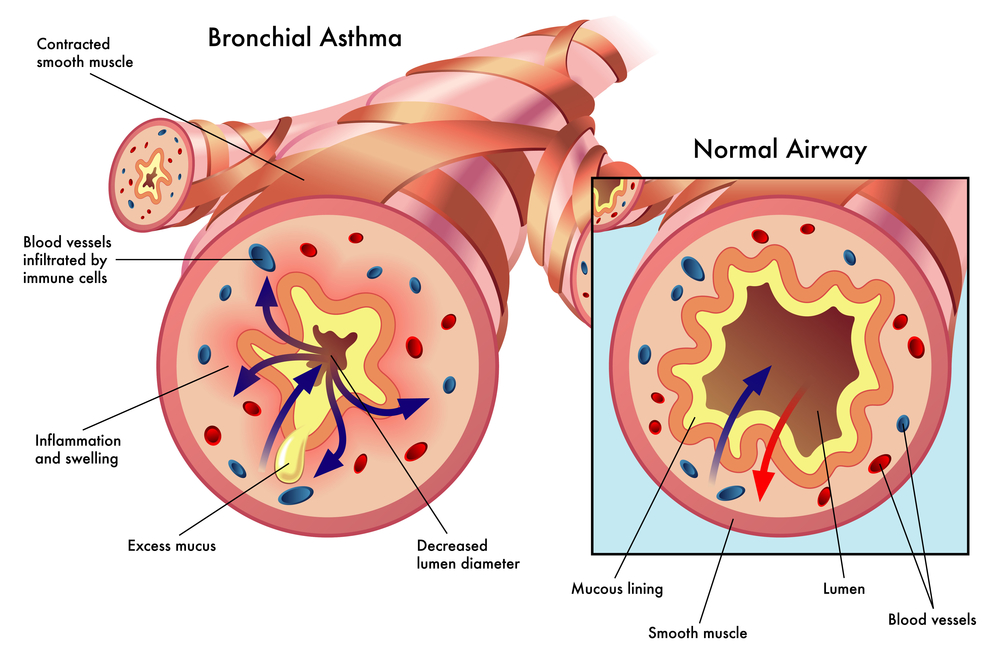
 Late last year, Australian stem cell and regenerative medicine company, Cynata Therapeutics Limited (ASX: CYP), developed compelling data in an asthma model and is now ramping up that program.
In October 2016, Cynata announced it had received convincing data from a proof of concept study of its Cymerus™ iPSC-derived mesenchymal stem cells (MSCs) in an experimental model of asthma. Those initial results demonstrated that Cymerus™ MSCs can exert a powerful effect via improved airway hyper-responsiveness. [Read more…]
- « Previous Page
- 1
- …
- 135
- 136
- 137
- 138
- 139
- …
- 146
- Next Page »