Have you heard about induced pluripotent stem cells (iPS cells), but don’t know exactly what they are and what they can do? If so, read on to learn the answers to frequently asked questions (FAQs) about iPS cells.
In this article:
Your Global Leader in Stem Cell Market Research
Have you heard about induced pluripotent stem cells (iPS cells), but don’t know exactly what they are and what they can do? If so, read on to learn the answers to frequently asked questions (FAQs) about iPS cells.
In this article:
PALO ALTO, Calif. –Greenstone Biosciences has been awarded a Breakthrough T1D Industry Discovery and Development Partnership (IDDP) grant to develop a T1D-derived islet cell platform aimed at understanding and protecting insulin-producing β cells in people with type 1 diabetes. With support from Breakthrough T1D, Greenstone plans to create induced pluripotent stem cells (iPSCs) from a diverse group of T1D patients and develop 3D pancreatic islet organoids, lab-grown structures containing insulin-producing β cells, to examine how these cells respond to inflammation, metabolic stress, and potential protective therapies. [Read more…]
The regenerative medicine industry has a communication problem, and it isn’t a scientific one. The field now broadly accepts that mesenchymal stem/stromal cells (MSCs) exert their effects largely through paracrine signaling rather than engraftment and differentiation, a reframing captured in Arnold Caplan’s proposal to rename them “medicinal signaling cells.” What hasn’t matured is the public’s understanding of any of it. [Read more…]
In recent years, the cell culture company Nucleus Biologics has been at the forefront of market disruption. In this interview with David Sheehan (CEO), we explore how the company has been growing its team, expanding its production capabilities, launching new products, and impressively, rolling out the world’s first online portal for instantaneous custom cGMP cell culture media configuration.
The pace never slows when your mission is to enable lifesaving science! [Read more…]
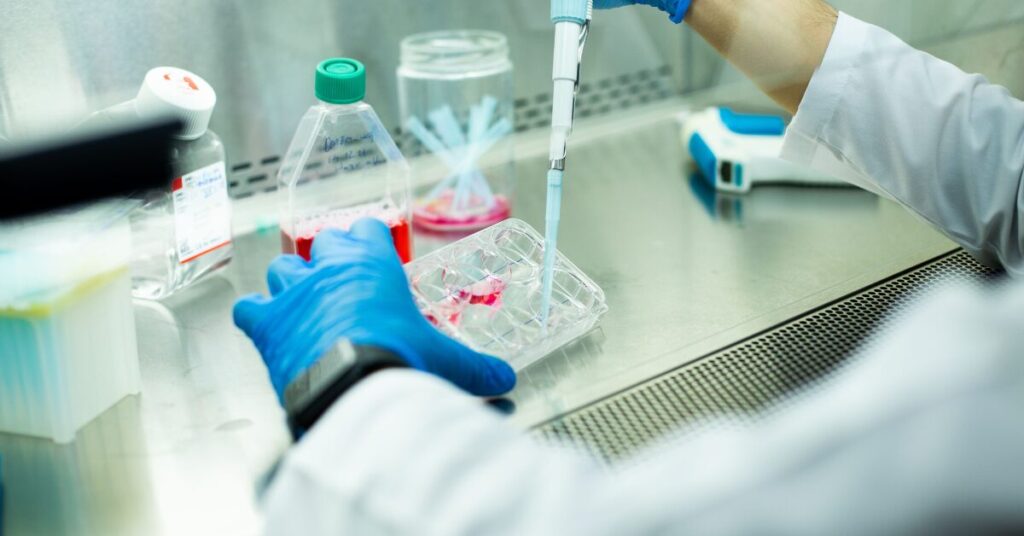
Tissue regeneration has long been a promising frontier in biomedical science. Conventional medical treatments often focus on managing symptoms or slowing disease progression. However, regenerative medicine aims to repair or replace damaged tissues entirely.
Stem cells are at the center of this transformation because of their ability to self-renew. This makes them valuable for treating diseases such as cancer, diabetes, age-related disorders, and tissue damage. Their versatility supports advances in regenerative medicine, which aims to restore damaged tissues in patients with severe medical conditions.
Advances in cellular biology, biotechnology, and clinical research have steadily expanded the understanding of how stem cells behave. Scientists continue to explore how these unique cells can rebuild damaged structures, stimulate healing processes, and improve patient outcomes. [Read more…]