
BioInformant, the first and only market research firm to specialize in the stem cell industry, announces the release of its “Global Cord Blood & Tissue Banking Industry Report – Market Size, Segmentation, & Forecasts, 2024.” This market report reveals key forces affecting the industry, presenting trend rate data for cord blood and tissue clinical trials, patents, grants, and scientific publications. It reveals public and private storage counts for cord blood and tissue on a global basis, as well as market size metrics for the public and private sectors, accompanied by future forecasts.
Cord Blood and Tissue Banking: 14 Terms to Define

Since the first stem cell transplant occurred more than 65 years ago (1957), there has been a nearly exponential increase in stem cell transplants, and in late 2012, the millionth stem cell transplant occurred, a landmark event in stem cell medicine. It is clear that the stem cells contained within cord blood banking now have the potential to improve and save lives. Since the first cord blood transplant was performed in 1988, stem cells derived from umbilical blood have been used in more than 40,000 transplants worldwide. [Read more…]
Growth Rates & Trends within the Cord Blood Industry – Interview with Kenneth Harris

The cord blood banking industry is often surrounded by misleading metrics, making insights from experts especially valuable. In an interview with Kenneth Harris, Chief Advisor for CuraSense Advisors, we delve into his extensive knowledge of the field. The discussion covers global growth rates, key trends shaping the industry, geographic differences in opportunities, and more, providing a comprehensive look at this evolving sector.
History of Cord Blood and Cord Tissue Banking
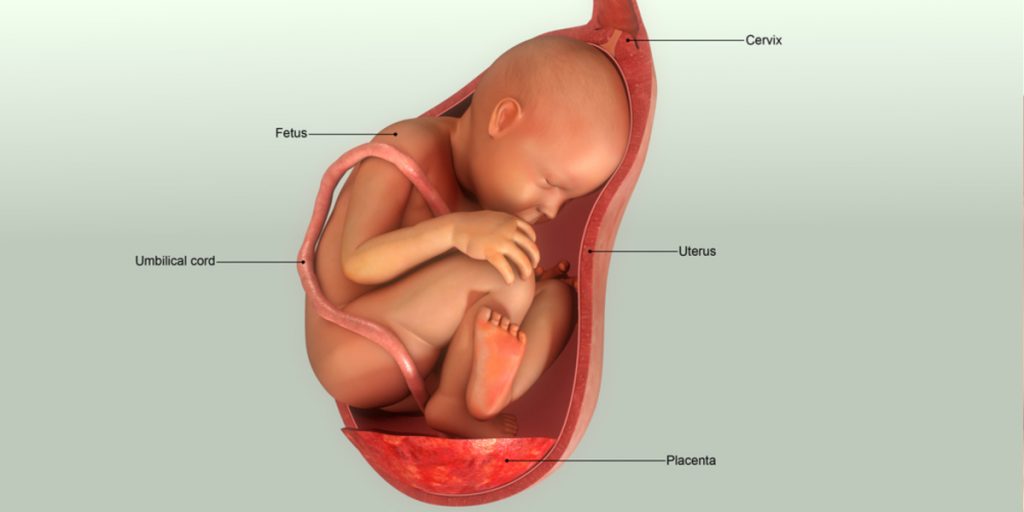
The history of cord blood and tissue banking dates back to the early 1990’s when three private cord blood banks were formed within the United States. These banks were Cord Blood Registry, Cryo-Cell, and Viacord, all of which are AABB accredited banks. Shortly thereafter, cord blood banks began forming in leading healthcare markets worldwide.
In this article:
Analysis of Induced Pluripotent Stem Cell (iPSC) Patents

The landscape for induced pluripotent stem cell (iPSC or iPS cell) patents has changed substantially over the past 10 years, evolving to be geographically clustered in four specific regions.
As background, groundbreaking experimentation led to the discovery of iPSCs in 2006, which are adult cells that are transformed into embryonic-like stem cells through the manipulation of gene expression or other related methods. In 2007, follow-up experiments proved human adult cells could be transformed into iPSC cells.
Since the discovery of iPSCs, a large and thriving research product market has grown into existence, largely because the cells are completely non-controversial and can be generated directly from adult cells.
Role of Induced Pluripotent Stem Cell (iPSC) Patent Analysis
Today, the number of iPSC products sold worldwide is increasing with double-digit growth, and 22% of all stem cell researchers self-report having used iPSCs within a research project. It is clear that iPSCs represent a lucrative product market, but commercializing the cell type involves careful and due diligence, because the cells are still a relatively new discovery.
Because the iPSC industry is a rapidly-evolving area, major research findings and technical discoveries are frequently announced . Therefore, to launch iPSC products and technologies, one of the key areas that company management and investors must consider is the patent landscape for the cell type. [Read more…]
- « Previous Page
- 1
- 2
- 3
- 4
- …
- 8
- Next Page »