South Korean-based “iPS Bio” Establishes Japanese Subsidiary, Deepening Ties to Japan’s iPSC Ecosystem
A South Korea–based regenerative medicine company, iPS Bio, Inc., is accelerating its international footprint with the establishment of a new Japanese subsidiary in Yokohama, Kanagawa Prefecture. The move reflects a broader trend of cross-border collaboration in the induced pluripotent stem cell (iPSC) sector, particularly between leading innovation hubs in East Asia. [Read more…]
iPSC Therapies Make History: Japan Authorizes World’s First Two iPSC-based Cell Therapies
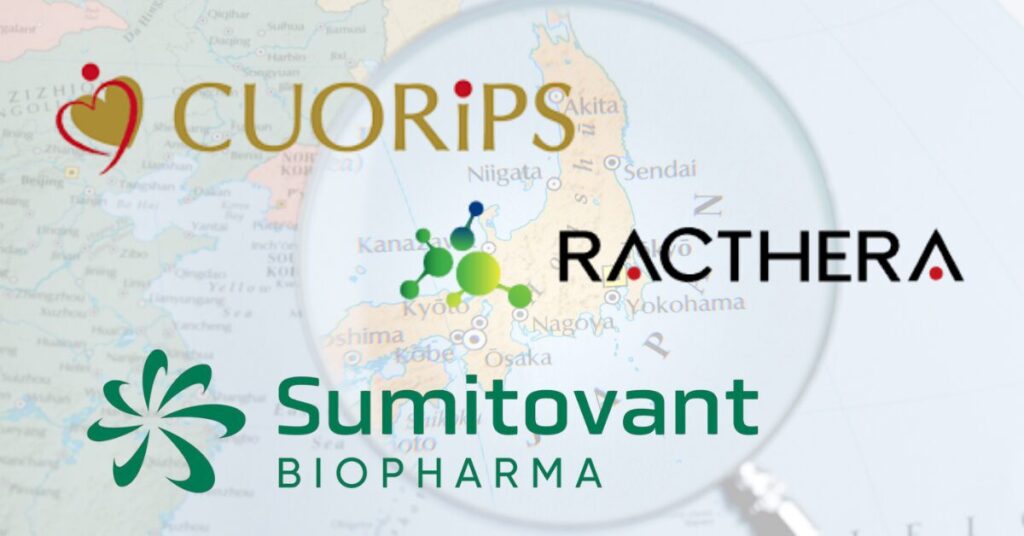
Recently, the world witnessed the approval of the world’s first two iPSC-derived medicines, as Japan’s health ministry panel authorized their commercialization on February 19, 2026. The approved therapies are ReHeart, developed by Cuorips Inc., a regenerative medicine company spun out of research at Osaka University, and Amchepry, developed by Sumitomo Pharma Co., Ltd. in collaboration with Racthera Inc. [Read more…]
iPS Cell Therapy: Is Japan the Market Leader?
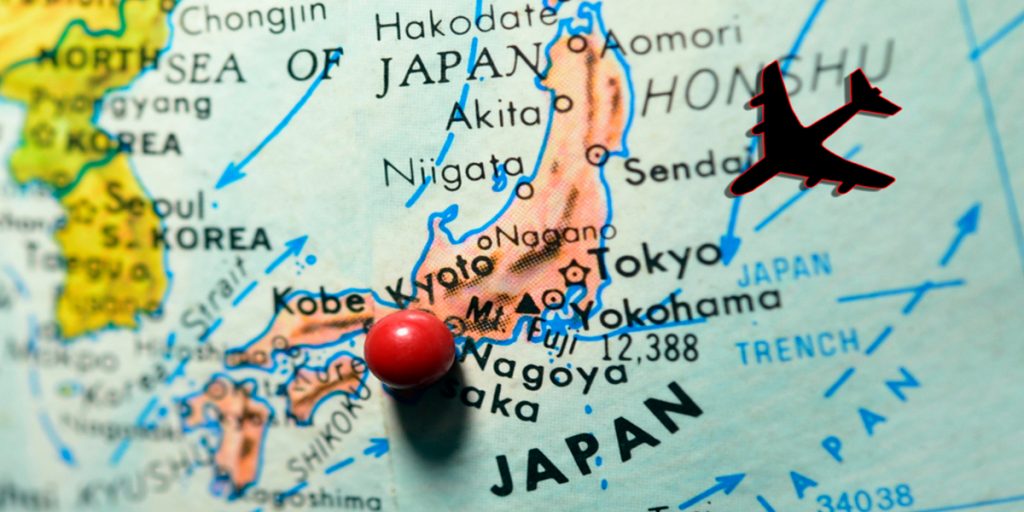
Although there are key players in multiple geographies worldwide, Japan has positioned itself as a hub for induced pluripotent stem cell (iPS cell) technology. iPS cells are made by reprogramming adult cells back into an embryonic-like state. Derived from skin or blood cells, they are not controversial.
World’s First Clinical Application of iPS Cells for Cardiac Disease

On 16 May, Nature News reported that “Japan’s health ministry gave doctors at Osaka University permission to take sheets of tissue derived from iPS cells and graft them onto diseased human hearts.” The team of Japanese doctors, led by cardiac surgeon Yoshiki Sawa at Osaka University, will use iPS cells to “create a sheet of 100 million heart-muscle cells.”
From preclinical studies in pigs, the team determined that thin sheets of cell grafts can improve heart function, likely through paracrine signalling. Paracrine signalling is a type of cell-to-cell communication through which cells “talk” to one another, often regulating inflammation, fibrosis (scarring), and and cellular recovery.
While the treatment will only be tested in three patients, a follow-up trial could enroll ten or more patients. Under Japan’s accelerated regulatory pathway for regenerative medicines (cell, gene and tissue products), Dr. Sawa’s iPS cell therapy could be conditionally marketed to the public if a follow-up trial demonstrated safety and an initial proof of efficacy.
Launched in late 2014, Japan’s fast-track system allows for regenerative therapies to receive conditional marketing authorization for up to 7 years, following confirmation of safety and an initial proof of efficacy in Japan in diseases that are serious and have a high unmet need. [Read more…]