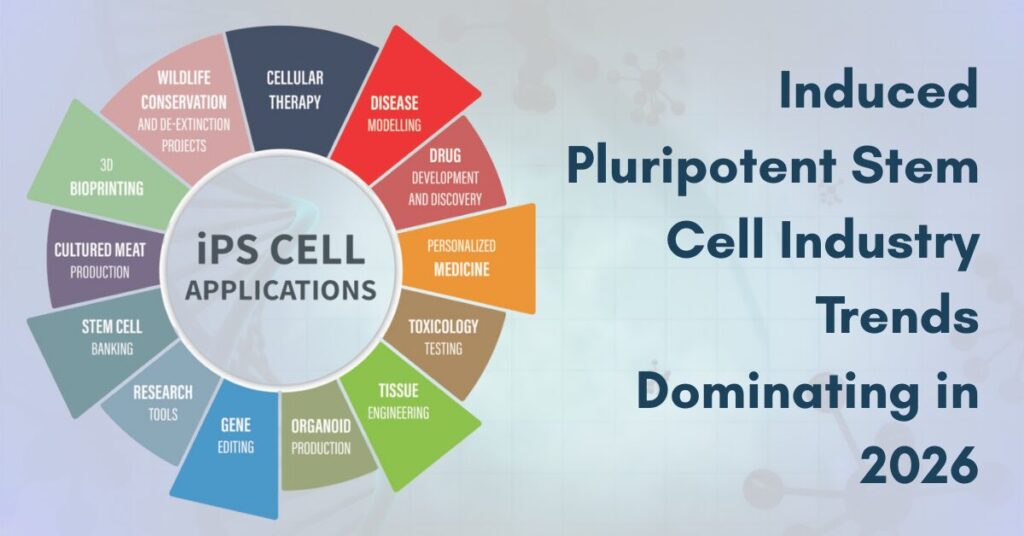
Induced pluripotent stem cells (iPS cells or iPSCs) are laboratory-made pluripotent stem cells that are produced using non-controversial adult cells. They are derived from somatic cells through reprogramming and turning on the expression of specific pluripotency genes. This reprogramming can be achieved using different techniques with varying efficiencies. [Read more…]
The Jackson Laboratory receives an up to $30 million contract award to revolutionize drug safety testing with AI-powered “virtual hearts”
New CARDIOVERSE project combines AI, stem cells, and genetic variation to predict drug safety before human trials
BAR HARBOR, Maine, Dec. 8, 2025 — Developing new drugs is one of the riskiest and most expensive endeavors in science. Today, The Jackson Laboratory (JAX) announced a bold initiative to improve that trajectory, powered by an up to $30 million contract from the Advanced Research Projects Agency for Health (ARPA-H) Computational ADME-Tox and Physiology Analysis for Safer Therapeutics (CATALYST) program. CATALYST is led by ARPA-H Health Science Futures Mission Office Acting Deputy Director Andy Kilianski, Ph.D.
[Read more…]
Stem Cell Infusion: What to Expect

In recent years, stem cell infusion has become a breakthrough technology. There have been multiple medical leaders citing regenerative medicine as the way of the future. Stem cells obviate our need to patch up the body or create stopgap measures for systems that don’t work. They instead promise to replace organs and tissues that no longer function, essentially rebuilding the body from the inside out. Naturally, science has not progressed to the point of spreading this technology across the globe. However, the growing availability and efficacy of stem cell infusion indicate this isn’t far off, either. [Read more…]
What are Stem Cells? A Short Guide to Everything You Need to Know
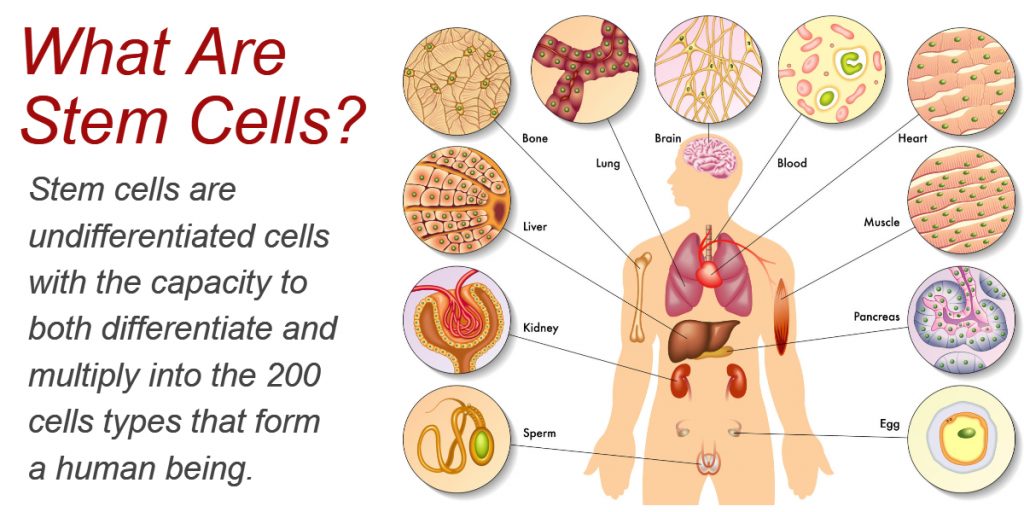
Stem cells are undifferentiated cells that have the capacity to both differentiate and multiply into the 200 cells types that form a human being. In total, the human body is composed of an estimated 30 trillion cells, making stem cells extremely important to human development. Stem cells are also found in plants and animals.
The use of stem cells to treat human disease is being investigated within scientific research, as well as thousands of clinical trials worldwide. These cells are bringing hope to many people worldwide, including patients, researchers, and clinicians.
For the bulk of human history, a serious injury or long-lasting disease meant death. Whether the problem was infection, degeneration or failure of a vital system, healers were at a loss for what to do. The problem? They couldn’t figure out how to replace systems that were damaged. This is where stem cells have the potential to create a paradigm shift.
What exactly are stem cells and how has are they changing the way that diseases and injuries are treated? [Read more…]
What Did 2025 Teach Us About Stem Cell Innovation and Market Dynamics?
What has 2025 taught us about stem cell innovation and market dynamics? For cell therapy professionals, 2025 was a defining year, not because it produced a single breakthrough, but because it clarified how the future of the sector will actually be built. Instead of chasing headlines, companies focused on solving the structural barriers that have held the field back for more than a decade.
New data, maturing pipelines, and shifting investment patterns brought fresh realism to a sector often driven more by optimism than operational readiness. Above all, 2025 revealed the difference between technologies that promise transformation and infrastructure that can actually deliver it. [Read more…]
- « Previous Page
- 1
- …
- 18
- 19
- 20
- 21
- 22
- …
- 201
- Next Page »