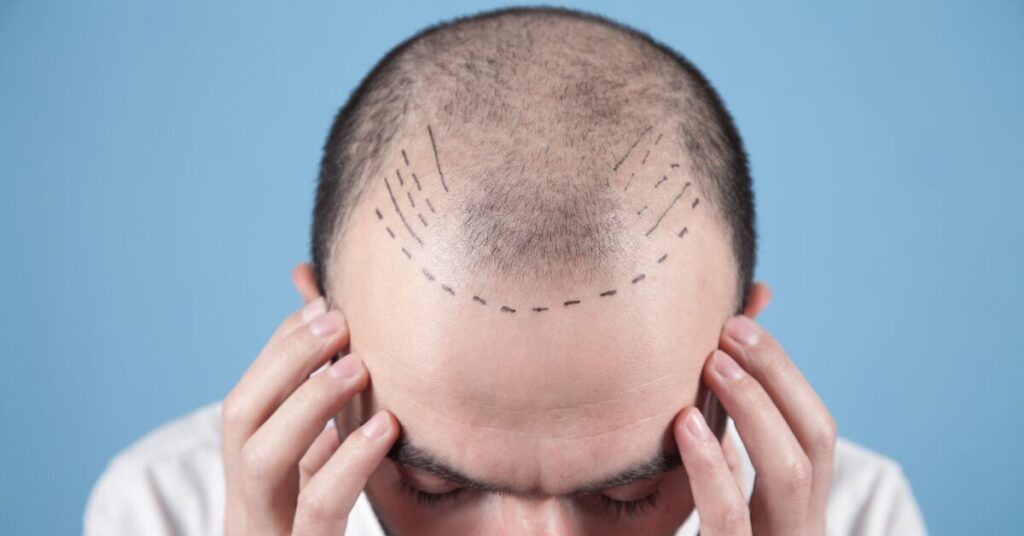
For over a decade, platelet-rich plasma (PRP) dominated the minimally invasive hair restoration space. Its appeal lay in its simplicity: draw blood, spin it, inject the growth-factor-rich plasma back into the scalp. But while PRP sparked interest and delivered early signs of improvement, its limitations have become clearer over time. Many patients require repeated sessions, results vary widely, and follicular stimulation often plateaus. [Read more…]
Stem Cell Treatment For Hair Loss in 2026

The latest development in stem cell research – stem cell treatment for hair loss – shows great promise for stimulating new hair growth. It addresses the problem of thinning hair for both men and women.
When hair growth slows with age, many people feel despondent, depressed, less confident, or unhappy. The prospect of a continuing downhill slide makes the situation worse, which is why stem cell transplant for hair loss has become a large business in the last several decades. [Read more…]
CHU Toulouse and Cell-Easy Launch A-MUSE, a Phase 1/2 Clinical Trial Evaluating the CellReady® Allogeneic MSC Platform in Systemic Sclerosis

Toulouse, January 22, 2026 — Cell-Easy, a CDMO specialized in the development and GMP manufacturing of Advanced Therapy Medicinal Products (ATMPs), announces a new clinical milestone achieved in close collaboration with Toulouse University Hospital (CHU Toulouse). The European Medicines Agency (EMA) has granted Clinical Trial Authorization (CTA) for AMUSE, a Phase 1/2 clinical trial evaluating the safety and efficacy of an allogeneic mesenchymal stromal cell (MSC) therapy in patients with systemic sclerosis presenting perioral fibrosis and functional impairment. [Read more…]
Embryonic Stem Cells – Definition, Uses, and Limitations
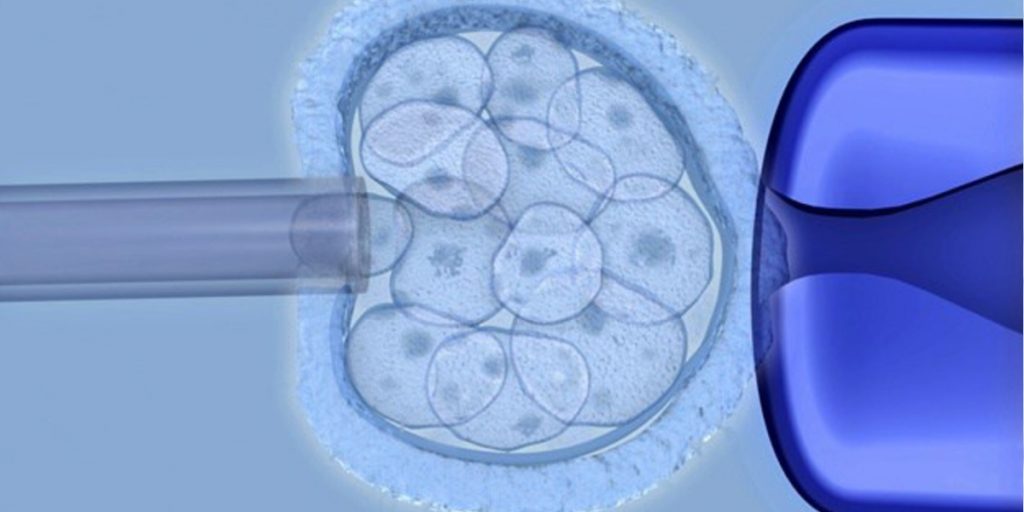
Embryonic stem cells are cells that can give rise to all of the tissues types that form a human being. These stem cells are being used in drug development, toxicology testing, and disease reversal, as well as to grow healthy new tissue to heal injuries.
While they are powerful cells, embryonic stem cells are controversial to produce, because they are created from human embryos. For this reason, they have limited use and receive restricted funding. Learn more about these cells below. [Read more…]
Revolutionizing Hair Regrowth with Stem Cells and Regenerative Treatments
*Sponsored Content: This article contains sponsored content mentioned, as noted below. Most of this article is BioInformant editorial content.
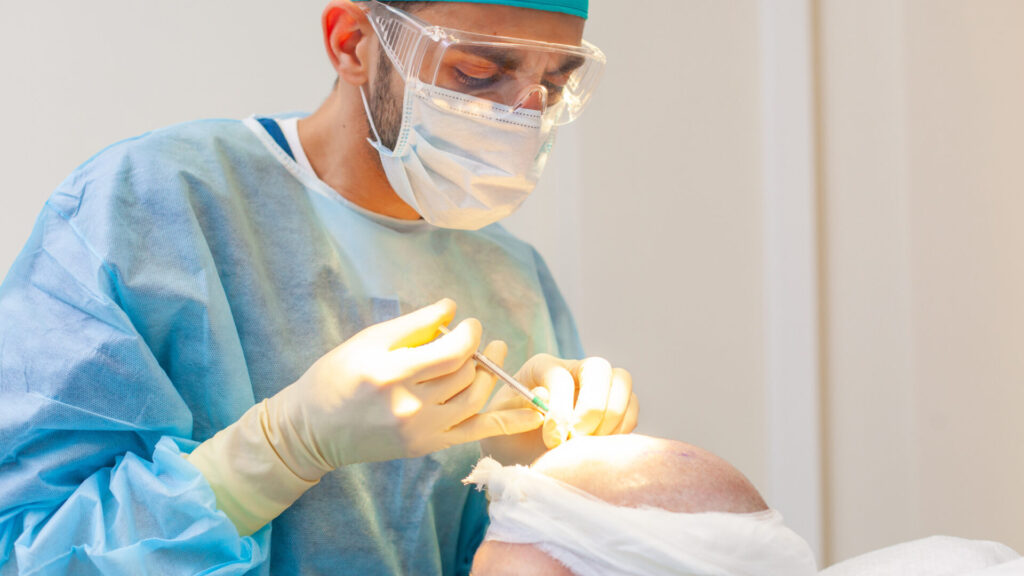
The quest for a full head of hair has captivated humankind for centuries. Countless individuals, plagued by hair loss and thinning, have sought effective remedies to restore their once-abundant tresses. In recent years, scientific advancements in the field of regenerative medicine have sparked hope with the potential use of stem cells and other innovative treatments for hair regrowth. This article delves into the exciting possibilities offered by these therapies, shedding light on their mechanisms and exploring their current status in the realm of hair restoration. [Read more…]
- « Previous Page
- 1
- …
- 15
- 16
- 17
- 18
- 19
- …
- 201
- Next Page »