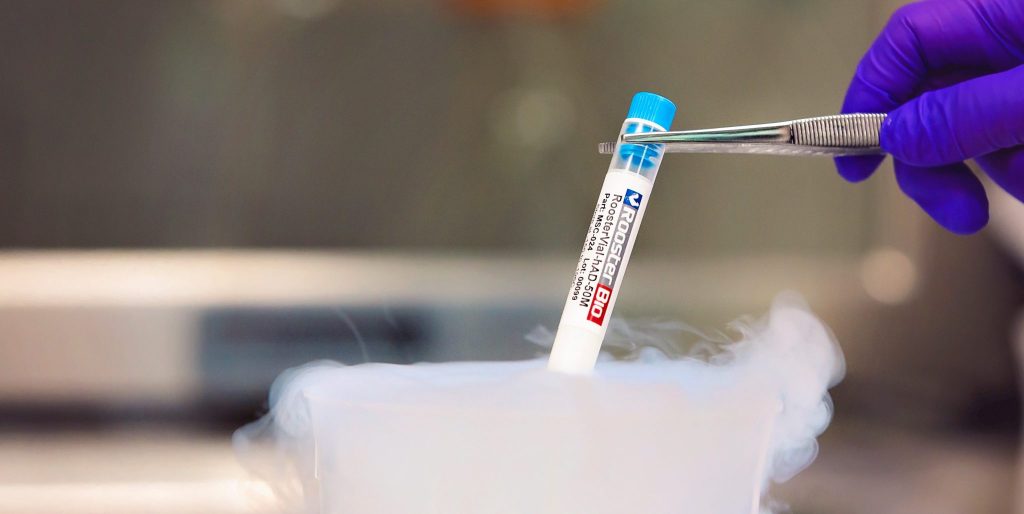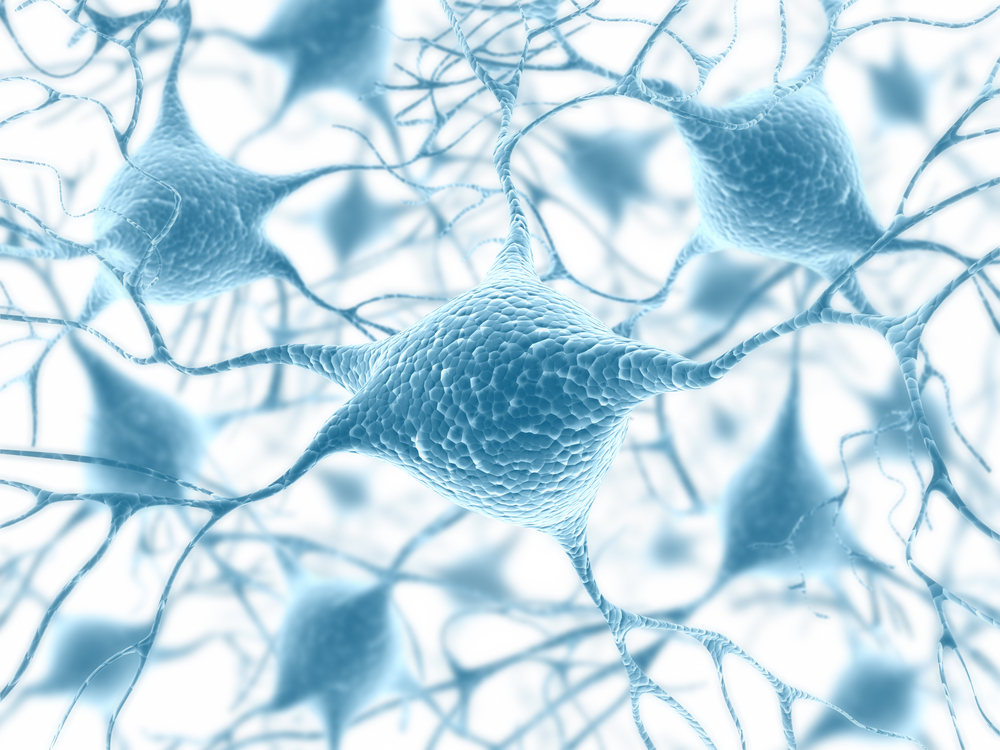
Groundbreaking experimentation in 2006 by Shinya Yamanaka (Kyoto University, Japan) led to the introduction of induced pluripotent stem cells (iPSCs). These are adult cells that are isolated and then reprogrammed into embryonic-like stem cells through the expression of a specific set of embryonic genes. Yamanaka’s discovery, which earned him the Nobel prize in 2012, enabled the use of human cells in stem cell science, bypassing the use of embryonic stem cells (ESCs). Without the ethical problems associated with ESCs, a large and diverse market for human iPSC research tools has emerged.
Founded in 2001 and headquartered in Cologne, Germany, Axiogenesis initially focused on generating mouse embryonic stem cell derived cells and assays. After Yamanaka’s groundbreaking iPSC technology became available, Axiogenesis was the first European company to license and adopt Yamanaka’s iPSC technology in 2010. [Read more…]

 Leiden and Oss, The Netherlands, May 30th, 2017 – Pluriomics and Pivot Park Screening Centre announced a collaboration to improve Pluriomics’ cardiovascular drug discovery service offerings and to expand Pivot Park Screening Centre’s knowledge about new and innovative assay technologies used to accelerate drug discoveries. Giving Pluriomics access to the Screening Centre’s ultra High Throughput Screening (uHTS) capability, this collaboration will serve Pluriomics’ mission which is to contribute to the efficiency of the drug discovery and development process by reducing the development length, costs and late stage attrition of novel drug candidates.