Cell therapy companies are those who use the building blocks of life to improve human diseases and disorders. Cell therapy involves the use of cells and tissues to regenerate, repair, and enhance human health. While our medical system has traditionally relied on drugs and surgical treatments, this trend is shifting as a expanding number of cell therapy companies emerge worldwide. [Read more…]
A Spark Becomes a Surge: How Ryoncil Reignited MSC Development
It’s official: Today marks exactly one year since the cell therapy field celebrated a historic milestone. On December 18, 2024, the FDA granted its first-ever approval for a Mesenchymal Stem Cell (MSC) therapy, Mesoblast’s Ryoncil® (remestemcel‑L‑rknd).
This landmark decision marks not just a regulatory first, but a validation of decades of research into the therapeutic potential of MSCs. Once considered experimental, MSC therapies are now stepping into mainstream medicine, signaling the beginning of a new era in regenerative treatments. The approval has ignited renewed investment, scientific exploration, and clinical interest, setting the stage for rapid growth and broader adoption of MSC-based therapeutic products across multiple disease areas. [Read more…]
Hematopoietic Stem Cells: What Diseases Can these Stem Cells Treat?
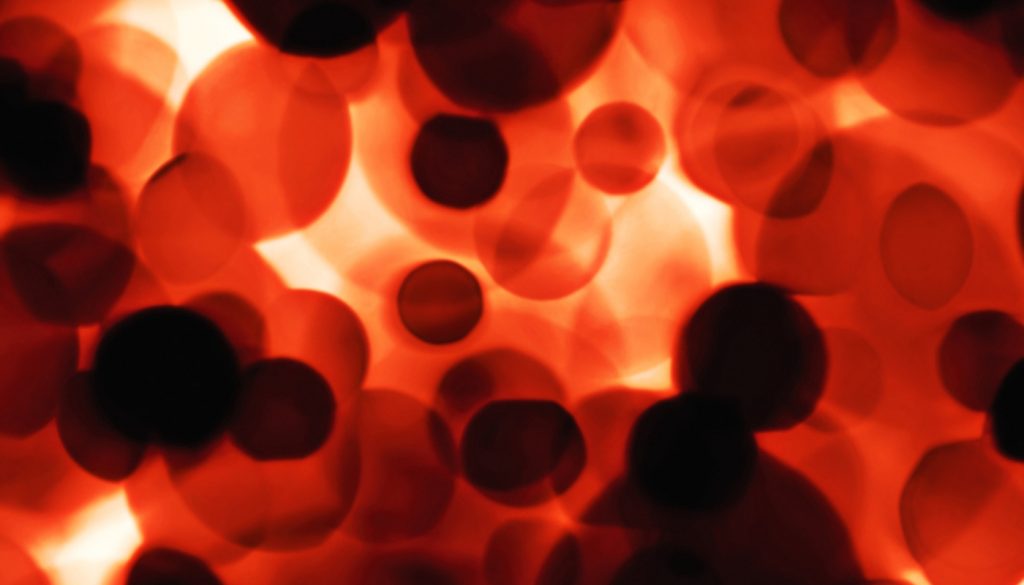
Hematopoietic stem cells (HSCs) are defined as stem cells that have a preference for becoming cells of the blood and immune system, such as white blood cells, red blood cells, and platelets. Found in the peripheral blood and bone marrow, hematopoietic stem cells are also present in plentiful supply within the umbilical cord blood of newborn babies.
For the past thirty years, cord blood has been used within transplant medicine, including for the treatment of leukemia and other blood diseases. For most conditions in which a bone marrow or peripheral blood stem cell transplant is an option, a cord blood transplant is a potential alternative.
Hematopoietic Stem Cells
In this article:
4 Major Areas of Commercialization for iPS Cells

Since the discovery of induced pluripotent stem cells in 2006, a great deal of basic research has been done to understand how to produce, manipulate, and utilize the stem cell type. In addition to this important basic research, a great deal of applied (“translational”) results has been done with the cell type. Induced pluripotent stem cells (also called iPS cells or iPSCs) are revolutionizing regenerative medicine because they represent a potential route for producing patient-specific stem cells for research or clinical use.
In the future, iPS cells will facilitate progress in personalized medicine by allowing a patient to use his or her own cells. In addition, iPSCs also show great promise in other areas, such as phamaco-toxicological screening, by allowing disease modeling and safety assessment of potential new drugs under development, in short, facilitating the study of a “disease in a dish.”
Cell Therapy Industry Contractions: Companies Curtail Ambitious Programs

Over the past 60 days in the cell therapy sector, one of the most striking trends has been strategic pullbacks and restructuring by formerly committed companies, even as core innovation continues elsewhere in the biotech ecosystem. After years of heavy investment and high expectations, several major players have opted to re‑evaluate or wind down their cell therapy operations, citing competitive pressures, shifting priorities, and capital allocation decisions.
These moves have sent ripples across the industry and prompted fresh discussion about the direction of advanced therapies in the years to come. [Read more…]
- « Previous Page
- 1
- …
- 37
- 38
- 39
- 40
- 41
- …
- 339
- Next Page »