
Singapore, 12 December 2025 – Esco Aster, a vertically integrated cell and derivatives CRDMO based at JTC LaunchPad Singapore, announced CMC manufacturing support for Shine-On Biomedical’s HLA-G targeted exosome program. Shine-On Biomedical sponsored Esco Aster in 2023 for cGMP services, starting with high-yield exosome development using Esco Aster’s cell line platform. The technical reports of process, analytical, and formulation development, exosome drug loading, GMP engineering runs, and stability studies supported Shine-On’s IND submission. The IND was cleared by the U.S. FDA in Q1 2025. [Read more…]
Who Is CryoHoldco? Latin America’s Largest Cord Blood Bank
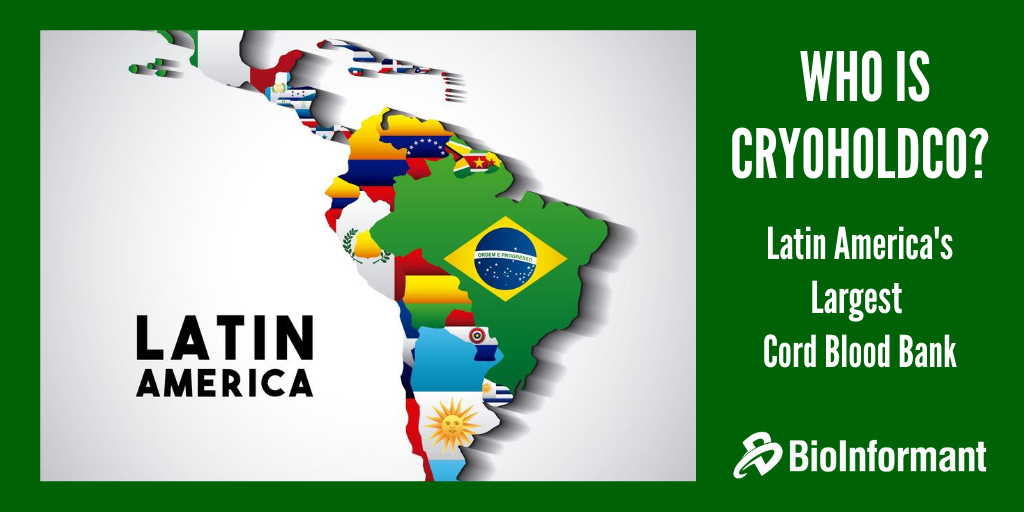
CryoHoldco is a stem cell bank holding company that is the market leader in Latin America and the fifth largest cord blood banks globally. CryoHoldco is also many times larger than any other stem cell bank in Latin America, with over 400,000 stem cell units in storage.
Cord Blood Banking Innovations and Their Impact on Personalized Medicine
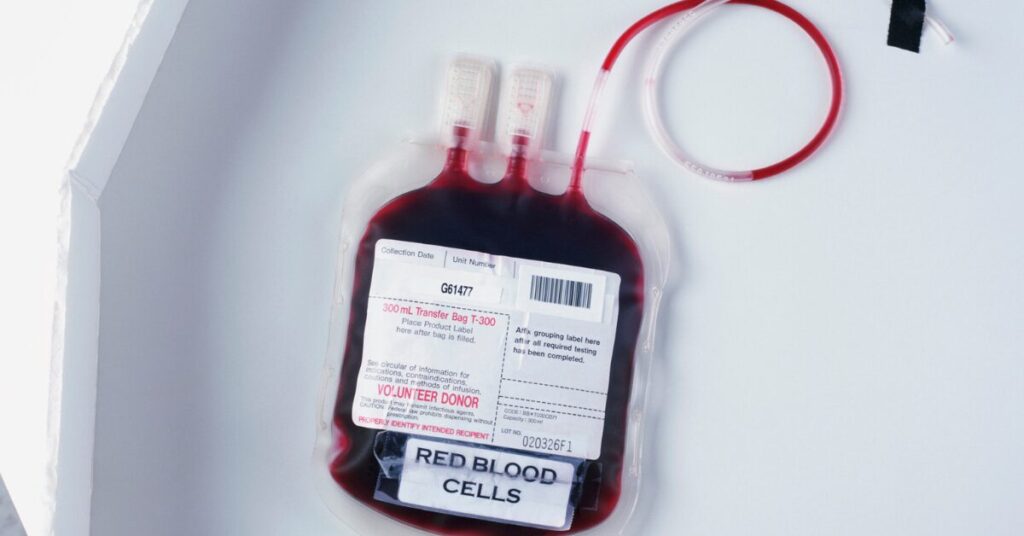
Personalized medicine has rapidly transformed how healthcare is delivered. It has shifted the focus from generic treatments to therapies tailored to individual patients. No wonder the global personalized medicine market is set to witness phenomenal growth.
Central to this evolution is the use of stem cells, particularly those derived from cord blood. These cells, collected from a newborn’s umbilical cord, hold remarkable potential for treating a variety of diseases, including cancers, immune disorders, and genetic conditions. [Read more…]
Do You Know the Top Quality Guarantees Among U.S. Cord Blood Banks?
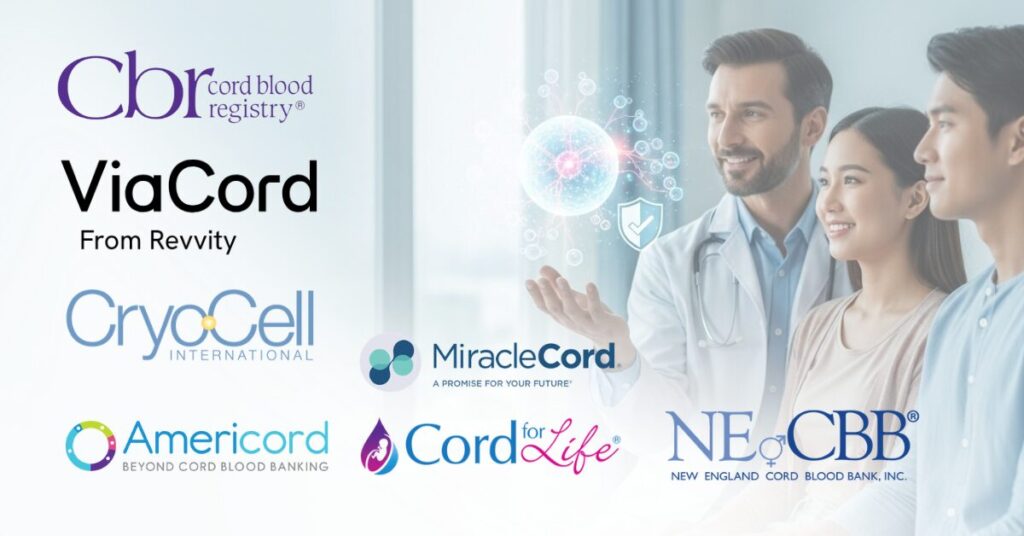
Private cord blood banking continues to evolve in the United States, with several large companies offering storage of newborn stem cells for potential medical use by families. As of late 2025, Cord Blood Registry (CBR) remains the largest U.S. private cord blood bank, having stored more than one million cord blood and cord tissue units, making it significantly larger than many competitors and a clear industry leader.
In addition to CBR, other prominent private cord blood banks in the U.S. include ViaCord, Cryo-Cell International, and Americord Registry. These banks vary in experience, storage scale, services offered, and the specifics of their quality guarantee programs.
A Complete Guide to Induced Pluripotent Stem Cell (iPSC) Core Facilities
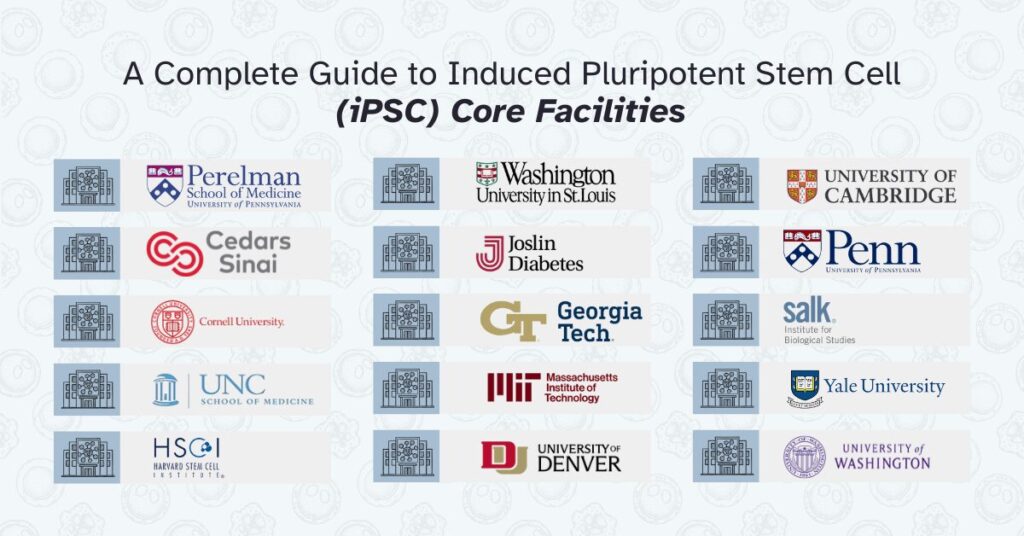
Induced pluripotent stem cell (iPSC) core facilities are facilities created to facilitate the derivation and distribution of iPSC lines. These facilities promote iPSC research advances by providing disease-specific iPSC lines to researchers, thereby allowing more researchers to study mechanisms of disease and new therapeutic applications.
Induced pluripotent stem cell core facilities can also provide services related to iPSCs, including consultation and technical services, as well as training in iPSC technology.
Common services that the core facilities provide are derivation, maintenance, and characterization of iPSCs. They may also provide control iPSC lines, validated iPSC culture reagents, and more.
- « Previous Page
- 1
- …
- 39
- 40
- 41
- 42
- 43
- …
- 339
- Next Page »