CHICAGO & NATICK, Massachusetts, Nov 11, 2020–Proteintech and HebeCell announce their collaborative partnership to develop proprietary nanobody based chimeric antigen receptor (nCAR) technology for the development and commercialization of iPSC-derived natural killer (iPSC-nCAR-NK) cells, a promising cellular immunotherapy treatment for cancer and other diseases. [Read more…]
FUJIFILM Cellular Dynamics and Lonza agree to expand the availability and use of induced pluripotent stem cell technology
– FUJIFILM Cellular Dynamics grants Lonza a non-exclusive right to use their patents related to iPSC generation, including episomal vectors and reprogramming factors, for development and clinical manufacture of iPSC lines for cell therapies
– Lonza grants FUJIFILM Cellular Dynamics expanded use of its non-exclusive license to its innovative Nucleofector™ technology
– The agreement enables drug developers to leverage both companies expertise and technologies for the generation of human-induced pluripotent stem cells through licensing agreements
ORIG3N, Producing Patient-Specific iPS Cells – Interview with Robin Smith, CEO
ORIG3N, a biotechnology start-up headquartered in Boston, is attracting global attention for several reasons. First, it has created the world’s largest blood cell repository. ORIG3N is using these blood cells to produce patient-specific induced pluripotent stem cells (iPSCs), allowing the cells to be ever-renewing and giving rise to a living database of humanity known as LifeCapsule.
Second, the company has two other business segments, called LifeProfile and LifeSystems. These business units of ORIG3N help people to better understand the links between their genes and how their minds and bodies work.
Third, ORIG3N has identified HLA Superdonor matches for 90% of the U.S. population, positioning it to be custodians of this “first of a kind asset on planet earth.”
Developing Induced Pluripotent Stem Cells (iPSCs) as Cell Therapeutics
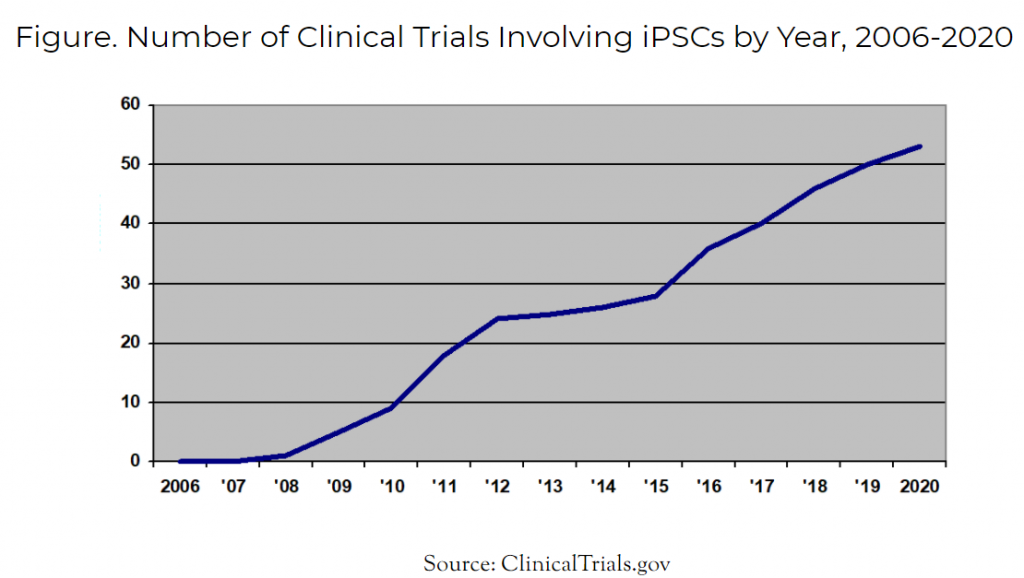
Despite progress involving the use of induced pluripotent stem cells (iPSCs) within disease modeling and drug discovery applications, it will be a long path to achieve the broad-scale use of iPSC-derived cell types for use in human patients. Within a preclinical context, cell types differentiated from iPSCs are tested for their therapeutic response by using animal models. Then, clinical trials are conducted to assure that essential parameters, such as tumorigenicity, dose toxicity, and immunogenicity, are assessed before authorizing the product for use in human patients. [Read more…]
Induced Pluripotent Stem Cell Clinical Trials, by Disease and Country
A number of induced pluripotent stem cell (iPSC) derived disease models have resulted in the discovery of new drugs that have been tested in iPSC-derived cells for efficacy and potential toxicities. Genome editing technologies have also added a new dimension to to the development of personalized medicine using iPSCs. In some cases, iPSC-derived cell types are being explored as novel cell therapeutics. [Read more…]
- « Previous Page
- 1
- …
- 94
- 95
- 96
- 97
- 98
- …
- 201
- Next Page »