CARLSBAD, Calif. – Lineage Cell Therapeutics, Inc. (NYSE American and TASE: LCTX), a clinical-stage biotechnology company developing novel allogeneic, or “off the shelf,” cell therapies for serious medical conditions, announced the receipt of a novel, induced pluripotent stem cell (iPSC) line containing hypoimmunity edits, from Factor Bioscience Inc. (“Factor”). Generation of the line marks a successful milestone in the strategic collaboration between the two companies, under which Factor developed a proprietary, genetically engineered iPSC line that Lineage can utilize for differentiation into certain cell transplant product candidates. [Read more…]
Cellistic Launches Three New iPSC-based GMP Manufacturing Platforms to advance Immuno-Oncology and Regenerative Cell Therapies

Kobe University Introduces a Simplified Cryopreservation Method for iPSCs
Researchers at Kobe University have unveiled a novel cryopreservation technique that could meaningfully streamline how induced pluripotent stem cells (iPSCs) are stored and handled in laboratory settings. The newly reported method allows iPSCs to be frozen directly within standard culture dishes, eliminating the need for cell transfer prior to cryostorage, an advancement that may significantly improve workflow efficiency across stem cell research, drug discovery, and regenerative medicine. [Read more…]
Induced Pluripotent Stem Cell (iPSC) Industry Trends Dominating in 2026
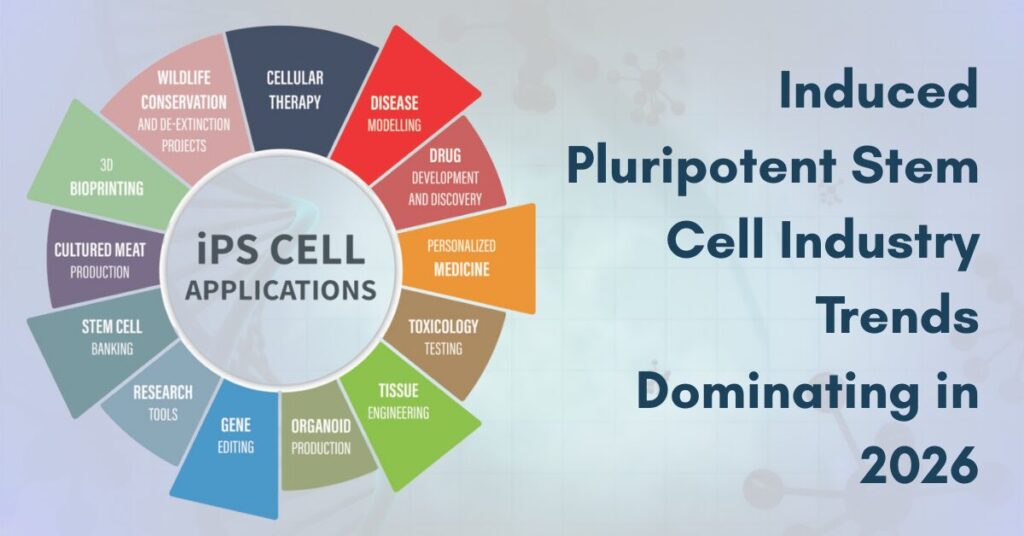
Induced pluripotent stem cells (iPS cells or iPSCs) are laboratory-made pluripotent stem cells that are produced using non-controversial adult cells. They are derived from somatic cells through reprogramming and turning on the expression of specific pluripotency genes. This reprogramming can be achieved using different techniques with varying efficiencies. [Read more…]
Novo Nordisk Ends $598M Heartseed Partnership to Refocus Strategic Priorities
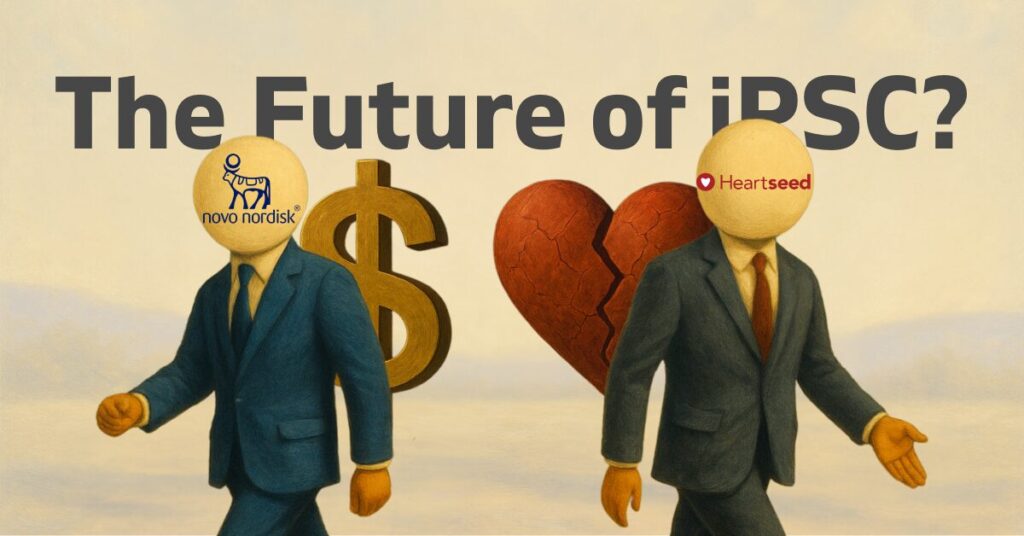
Sadly, Novo Nordisk has ended its $598 million collaboration with Tokyo-based biotech Heartseed, marking a major shift in its approach to regenerative medicine and iPSCs, specifically. The cancelled partnership, originally launched in 2021, was focused on developing an allogeneic induced pluripotent stem cell (iPSC)-derived therapy for heart failure called “HS-001”.
Novo’s decision to terminate the deal, announced by Heartseed in a securities filing this week, was attributed to “strategic reviews and business shifts” under the company’s new CEO, Mike Doustdar. The move ends a four-year partnership that once represented a bold leap into regenerative medicine for Novo Nordisk. [Read more…]
- « Previous Page
- 1
- …
- 6
- 7
- 8
- 9
- 10
- …
- 79
- Next Page »