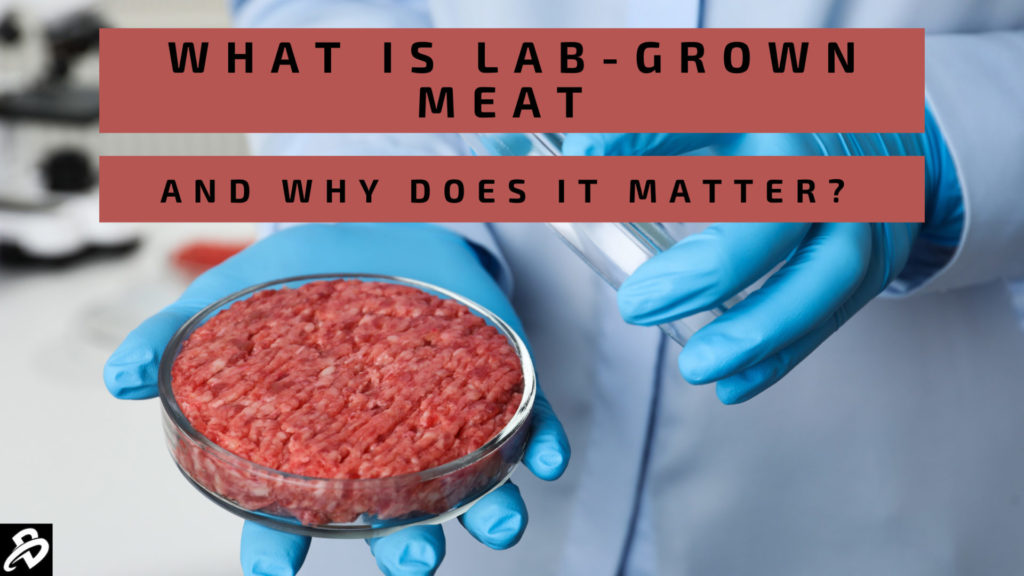
The potential of lab-grown meat has captured the attention of investors, researchers, food companies, and biotechnology leaders worldwide. Although the concept of producing meat from animal cells has existed for decades, the cultivated meat industry has evolved from an academic research field into an emerging commercial biotechnology sector. [Read more…]
Strategies for the Future of CAR-T Therapy Development in 2026 and Beyond
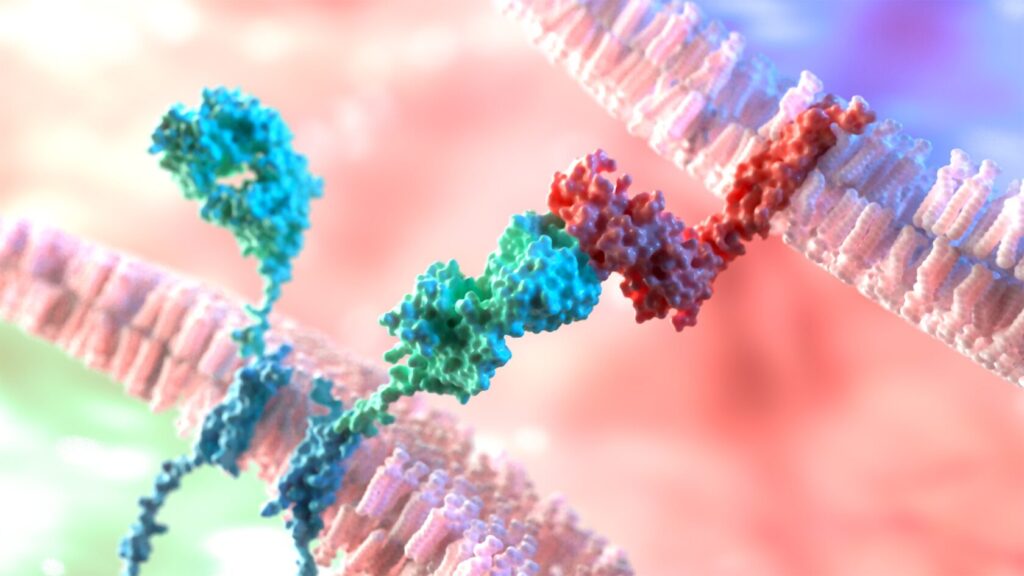
Until the first FDA approval of cancer immunotherapy in 1990, the foundations of cancer treatment were surgery, chemotherapy, radiation therapy, and bone marrow transplantation. For more than a decade, immunotherapy has gained worldwide acceptance as the “fifth pillar” of cancer treatment.
Immunotherapy enlists and strengthens the power of a patient’s immune system to attack and kill the cancer cells. Within the human body, T cells are a type of white blood cell that support immunity. There are 25 million to 1 billion different types of T cells within the human body. These cells fight against anything foreign that enters the human body. [Read more…]
Takara Bio Establishes Foothold in the Pluripotent Stem Cell Market
*Sponsored Content: The article is sponsored by Takara Bio.
A few years back, Takara Bio  announced that the Medical Products Agency (“MPA”), the Swedish national authority responsible for regulation of drug and medical products, had granted the company a manufacturing license for derivation and banking of human embryonic stem (hES) cells to be produced under GMP conditions. The cells were to be produced at Takara Bio’s manufacturing laboratory located in Göteborg, Sweden, within Takara Bio Europe’s facility.
This announcement made Takara Bio the first company worldwide to offer this service for human ESCs.
Takara Bio’s Role with Human Pluripotent Stem Cells
The significance of this event is that Takara Bio is capable of providing a predictable and reliable source of hES cells for future cellular therapeutic development by sourcing starting material from FDA-compliant facilities, according to FDA guidelines and leveraging its proprietary, feeder-free hES cell establishment method, which is animal- and human-component free. [Read more…]
Top iPSC Providers Transforming Preclinical Safety for Big Pharma

The pharmaceutical industry continues to grapple with preclinical and clinical safety issues, with toxicity remaining a leading cause of drug failure. Cardiovascular toxicity, in particular, stands out, accounting for approximately 40% of all drug withdrawals due to safety concerns. To mitigate these risks, human induced pluripotent stem cell-derived cardiomyocytes (iPSC-CMs) have emerged as a critical tool for evaluating cardiac safety. Traditionally, most studies have relied on iPSC-CMs from one or two healthy donors, limiting the representation of broader population variability in drug response. [Read more…]
Cutting-Edge Hair Restoration Techniques in 2027

*This article contains sponsored content.
Hair loss affects millions worldwide, which has driven rapid innovation in hair restoration science. In 2026, the latest advancements combine regenerative medicine, stem cell therapy, and minimally invasive procedures to deliver natural, lasting results. These cutting-edge hair restoration techniques are redefining what’s possible for both men and women seeking to restore their hair growth and confidence.
In this article, we highlight the most advanced and effective hair restoration methods available today, as we enter 2027.
[Read more…]
- « Previous Page
- 1
- …
- 29
- 30
- 31
- 32
- 33
- …
- 341
- Next Page »