
PALO ALTO, Calif., May 11, 2022 – I Peace, Inc. (CEO: Koji Tanabe), a Palo Alto-based biotech start-up in the field of GMP cell manufacturing CDMO, announced that the company, in collaboration with Genequest Inc., a Tokyo-based direct-to-consumer genetic testing service provider, established a data-driven method to identify potential cell donors with specific haplotypes. With this high-throughput method, the company has already succeeded in identifying 1,547 HLA-homozygous potential donors and has already generated iPSCs. [Read more…]
Global Cord Blood Corporation Announces Entry into Cell Therapy Market by Acquiring Cellenkos and Its Products Rights
HONG KONG, April 29, 2022 — Global Cord Blood Corporation (NYSE: CO, “GCBC” or the “Company”), China’s leading provider of cord blood collection, laboratory testing, hematopoietic stem cell processing and stem cell storage services, announced today that the Company will acquire 100% of Cellenkos, Inc (“CLNK”) and the rights to develop and commercialize all of its existing and future products worldwide except those related to CLNK’s existing collaboration with Incyte Corporation (Nasdaq: INCY, “Incyte”). [Read more…]
denovoMATRIX Launches Novel Microcarrier to Advance Cell and Gene Therapy Manufacturing
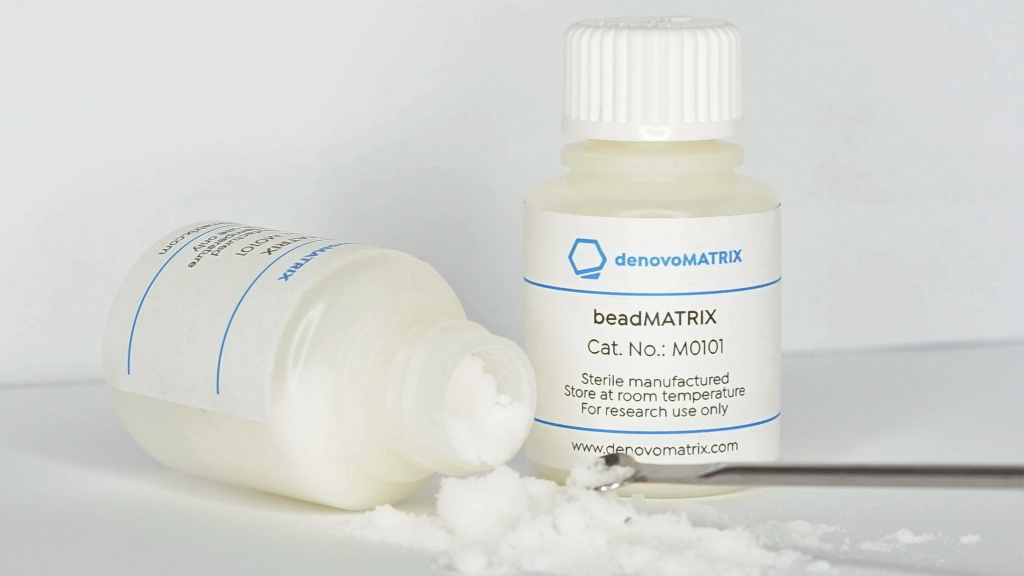
DRESDEN, Germany, May. 04, 2022 — denovoMATRIX GmbH, an innovator in cell and gene therapy (CGT) manufacturing, announced the launch of a novel microcarrier for increasing access to high-quality mesenchymal stromal cells (MSCs) for stem cell-based therapies. The product, termed beadMATRIX, is designed to enable MSC proliferation and harvest in xeno-/serum-free media with high efficiency and stemness.
Forever Labs, Is It Worth $7,000 to Save Cells from Your Younger Self?
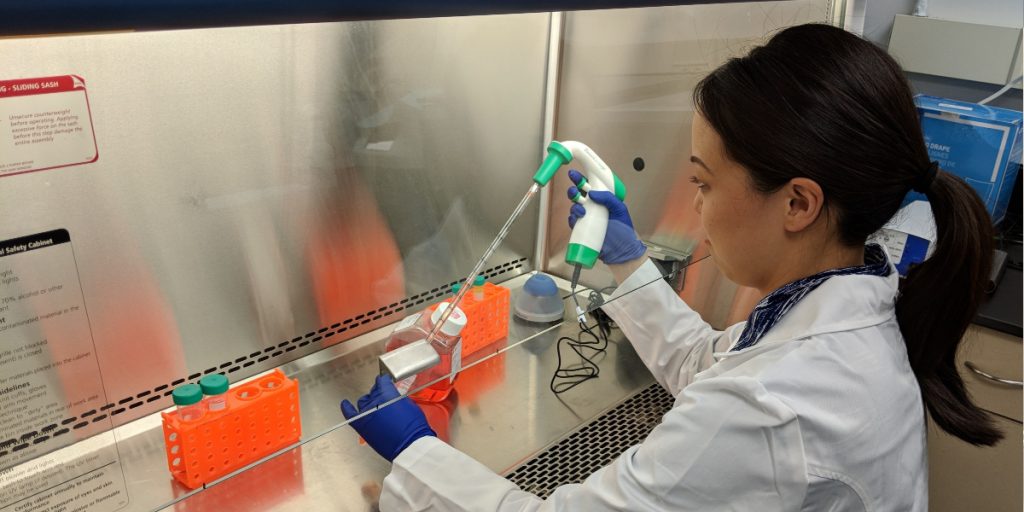
Forever Labs is one of the first companies worldwide to offer stem cell storage for adults. Interestingly, there is a prolific market for the storage of newborn tissues, including umbilical cord blood, umbilical tissue, and placental blood and tissue. [Read more…]
Ncardia Launches Cellistic™, the Only iPSC-based Cell Therapy Process Development & Manufacturing Partner Purpose-built to Make Large-scale Allogeneic Cell Therapy Production a Reality Today
GOSSELIES, Belgium, April 19, 2022 – Ncardia has launched a new business, Cellistic™, to focus Ncardia’s induced pluripotent stem cell (iPSC) expertise on the cell therapy development and manufacturing sector. This strategy expands on Ncardia’s existing drug discovery solutions business and capitalizes on the company’s deep expertise in iPSC differentiation and expansion to focus dedicated resources and capabilities to address the growing need for iPSC cell therapy solutions, including the development of robust cell-specific manufacturing platforms. [Read more…]
- « Previous Page
- 1
- …
- 152
- 153
- 154
- 155
- 156
- …
- 339
- Next Page »