Today, there are a growing number of both commercial and non-commercial organizations advancing the development of induced pluripotent stem cell (iPSC) therapies. In addition to the commercial sector, government-funded research institutions and universities continue to play a significant role in the therapeutic applications of iPSCs.
Notable institutions involved in iPSC research and therapy development include:
- RIKEN Center in Kobe, Japan
- Kyoto University in Kyoto, Japan
- California Institute for Regenerative Medicine (CIRM) in California, USA
Each of these organizations has made key contributions to the progress of iPSC therapies. Below is an updated look at their involvement.
RIKEN
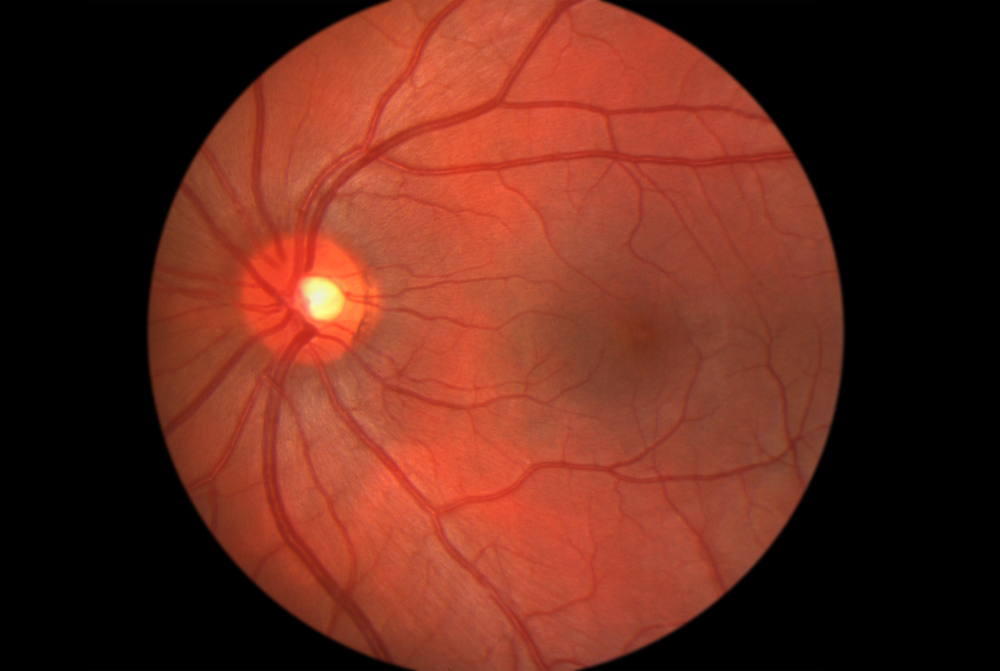
RIKEN Center, based in Kobe, Japan, has been a leader in pioneering iPSC-based clinical trials. The first-ever clinical trial involving iPSCs, led by Dr. Masayo Takahashi, started in 2013 with the goal of treating patients with wet-type age-related macular degeneration (AMD) using iPSC-derived retinal tissue.
In 2024, RIKEN and its associated hospitals continued to refine and expand their research in iPSC-based treatments for AMD. RIKEN’s work is particularly groundbreaking in the use of patient-specific iPSCs, generated from skin cells, to create retinal tissue for transplants. While results from the initial trials showed promising safety data, long-term efficacy is still being carefully monitored, with the team progressing toward larger patient cohorts and refining the production processes for these cell therapies.
RIKEN also works closely with the Kobe City Medical Center General Hospital and other local institutions to improve the clinical applications of iPSC-derived therapies, continuing to set standards in stem cell-based regenerative medicine.
Kyoto University
Kyoto University, led by Nobel Laureate Dr. Shinya Yamanaka, continues to be a leader in iPSC research. Dr. Yamanaka’s lab was the first to successfully generate iPSCs from mouse cells in 2006, and since then, the university has expanded its focus to therapeutic applications.
Currently, Kyoto University is involved in several high-profile research projects using iPSCs. For instance, their work on differentiating iPSCs into dopamine-producing neurons for Parkinson’s disease patients has entered clinical trial stages, with studies focusing on safety and efficacy. The trials, which started in the early 2020s, are part of a broader effort to combat neurodegenerative diseases using iPSCs. These trials are still in the early phases of patient testing, but initial results have demonstrated safety and early signs of clinical benefit.
Kyoto University’s iPSC-based platelet production project has also gained attention, as it could help address blood disorders, and is expected to see clinical trials in the coming years.
Dr. Yamanaka’s leadership continues to drive the Kyoto University iPSC Research Center, which collaborates with medical institutions worldwide to advance therapeutic strategies. The center is also engaged in cutting-edge research aimed at improving the scalability and quality of iPSC manufacturing for clinical applications.
California Institute for Regenerative Medicine (CIRM)
CIRM, established in 2004, has been instrumental in funding iPSC research in California, contributing significantly to the translation of iPSC science into therapies. With an initial investment of $3 billion in taxpayer funds, CIRM has remained a key player in supporting stem cell research and its clinical applications.
Over the last few years, CIRM has focused on advancing iPSC-based clinical trials and building infrastructure for large-scale iPSC production. Notably, CIRM continues to fund research into iPSCs for cardiovascular diseases, neurodegenerative diseases, and genetic disorders.
In 2024, CIRM awarded significant grants to various institutions for iPSC-related projects, including a $10 million grant to Stanford University for advancing iPSC-based cardiac cell therapies. This research is focused on better understanding the mechanisms of heart disease and testing personalized treatments derived from patient-specific iPSCs.
CIRM has also been funding efforts to create a comprehensive iPSC biobank that includes both healthy and diseased human tissues. These biobanks support ongoing research on personalized medicine and the development of targeted therapies for conditions such as Alzheimer’s, autism spectrum disorders, and neurodegenerative diseases.
In 2025, Cellular Dynamics International (CDI), now part of Fujifilm Holdings, continues to lead in iPSC production and biobanking efforts. CDI’s collaboration with the Coriell Institute has helped establish one of the world’s largest human iPSC biobanks, which is crucial for advancing iPSC-based research in precision medicine.
CIRM’s ongoing funding has accelerated the translation of iPSC technology from the laboratory to real-world clinical settings, with several trials underway targeting a range of conditions from Parkinson’s disease to liver failure.
Looking Ahead
As of 2025, iPSC therapies are advancing steadily, but the field is still in the clinical trial phase for many indications. The next decade holds great promise, as major institutions like RIKEN, Kyoto University, and CIRM continue to lead the charge in developing scalable, safe, and effective iPSC therapies. Successes in early-phase clinical trials are providing a foundation for larger-scale applications, and the coming years are expected to see iPSC-based therapies for a wider array of diseases.
The challenge ahead remains the need for standardized methods for iPSC production, as well as addressing the long-term safety and efficacy of these treatments. However, with continued investment and research, iPSC-based therapies are likely to become an integral part of the future of regenerative medicine.