Colorectal cancer (CRC) remains one of the leading causes of cancer-related deaths worldwide, claiming nearly a million lives each year. Despite advances in screening, surgery, and chemotherapy, the disease continues to pose a formidable clinical challenge, particularly when diagnosed at advanced stages. In recent years, researchers have increasingly turned to the immune system as a powerful ally in the fight against cancer. Now, a team at National Taiwan University has developed a novel vaccine strategy that may represent a major leap forward utilizing groundbreaking iPSC technology. [Read more…]
iPS Cell Therapy: Is Japan the Market Leader?
Although there are key players in multiple geographies worldwide, Japan has positioned itself as a hub for induced pluripotent stem cell (iPS cell) technology. iPS cells are made by reprogramming adult cells back into an embryonic-like state. Derived from skin or blood cells, they are not controversial.
iPSC Research Expands – 40+ Companies Offer Research Tools to Scientists
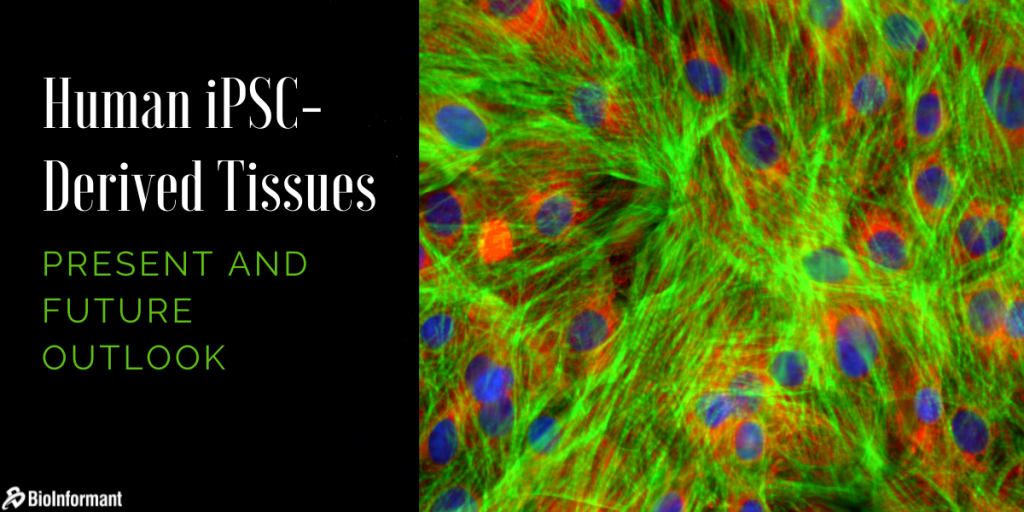
Induced pluripotent stem cells (iPSCs) have become a major focus of scientific research, with over 33,000 publications on the topic currently available on PubMed.gov, the world’s leading database for scientific literature. These cells, which are reprogrammed from differentiated somatic cells back to an embryonic-like state, have opened up new possibilities in regenerative medicine, drug development, and disease modeling. Since the groundbreaking discovery of iPSCs in 2006, the field has seen rapid expansion, with an increasing number of research products and technologies entering the market. To fully understand the competitive landscape of iPSC-based innovations, it is crucial to explore the growing presence of competitors and the advancements made in this dynamic space. [Read more…]
Applied StemCell Launches Two New Hypoimmunogenic hiPSC Products to Accelerate Allogeneic Cell Therapy Development
MILPITAS, Calif. — Applied StemCell, a CRO/CDMO that blends unique genome editing technology and iPSC expertise, announced the launch of their first hypoimmunogenic hiPSC products which are designed to empower researchers developing next-generation allogeneic cell therapies. The ActiCellsâ„¢ RUO Hypo hiPSCs (Cat.# ASE-9550) and the ActiCellsâ„¢ RUO TARGATTâ„¢ Hypo hiPSC Knock-in Kit (Cat.# AST-9650) offer powerful tools for building off-the-shelf therapies by combining reduced immunogenicity, robust pluripotency, and genome engineering readiness. They are an isogenic match to the forthcoming GMP-grade versions to offer a seamless path from early research to clinical development. [Read more…]
Sernova Advances Cell Pouch Type I Diabetes Trial; Will Test iPSC-Derived Clusters Next
-
Current Trial (Cohorts A–C): Sernova’s current cohorts are focused on testing the safety and tolerability of transplanting donor islets (from cadaveric pancreases) into Sernova’s Cell Pouch device in T1D patients.
-
Future Direction (Post-Cohort C): Next, Sernova plans to launch a new clinical trial using iPSC-derived islet-like clusters, instead of relying on donor islets. This will be in collaboration with Evotec, a leading iPSC company.
-
Why iPSCs Matter: iPSC-derived islet-like clusters offer a renewable, potentially unlimited cell source for treating T1D, overcoming the limitations of donor availability. This aligns with Sernova’s goal of developing a scalable and widely accessible solution.
- « Previous Page
- 1
- …
- 5
- 6
- 7
- 8
- 9
- …
- 18
- Next Page »