Exosome-related technologies have been developing rapidly over the past few years and substantial growth is expected for the market as they get integrated into the fields of liquid biopsy, precision medicine and regenerative medicine. In particular, cancer derived exosomes influence the invasive potential of cells by regulating angiogenesis, metastasis, and immunity, making them an extremely useful source of biomarkers for use in cancer detection, diagnosis, and therapeutic selection. [Read more…]
What Is the Future of the Stem Cell Market in 2025?

Stem cell therapy continues to rally worldwide recognition as governments fund research and expand access. This once-controversial therapy is fast becoming one of medicine’s most exciting technologies. From FDA-approved therapies to in-house, physician-initiated autologous techniques, stem cell technology continues to evolve. 2025 promises to be an exciting year for the stem cell market.
Here’s everything you need to know about the future of this revolutionary therapy. [Read more…]
Opening Cancer’s Mail: Cancer Exosomes Contain “Inventory of Intent”

Currently over 50% of men and women are directed to unnecessary treatment or surgery. A new approach may help. Professor Alan Doucette of Dalhousie University and his colleagues have published a study funded by the Breast Cancer Society of Canada in which they capture particles released by rapidly growing cells called exosomes. Like parcels containing tools and instructions, exosomes contain an “inventory of intent.” Meaning, the cells that have released them contain genetic material proteins and metabolites that promote invasion of normal cells and commandeer their resources. [Read more…]
MSCs for Regenerative Medicine – Serum-Free, Xeno-Free Differentiation Media
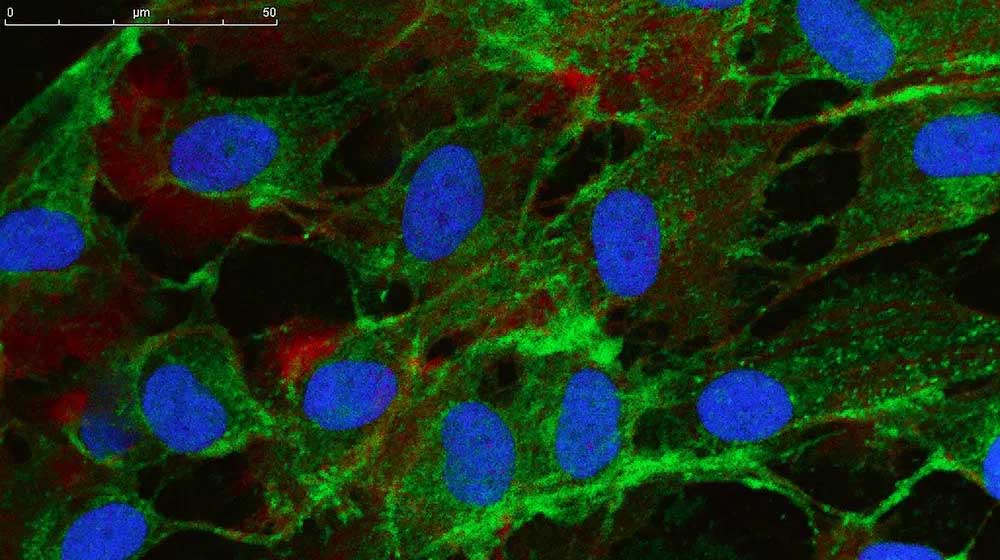
Since the discovery of mesenchymal stem cells (MSCs) by Friedenstein and his colleagues in 1976, MSCs have become one of the fastest growing areas of stem cell research. They are more frequently cited than any other stem cell type within the scientific literature, Google Trend data shows MSC searches to be approximately twice as common as the next most common adult stem cell type, and at least 1,753 MSC clinical trials have been pursued worldwide. There have also been an absolutely astounding 107,232 scientific articles published about MSCs to date. [Read more…]
Top 8 Stem Cell Quotes of All-Time
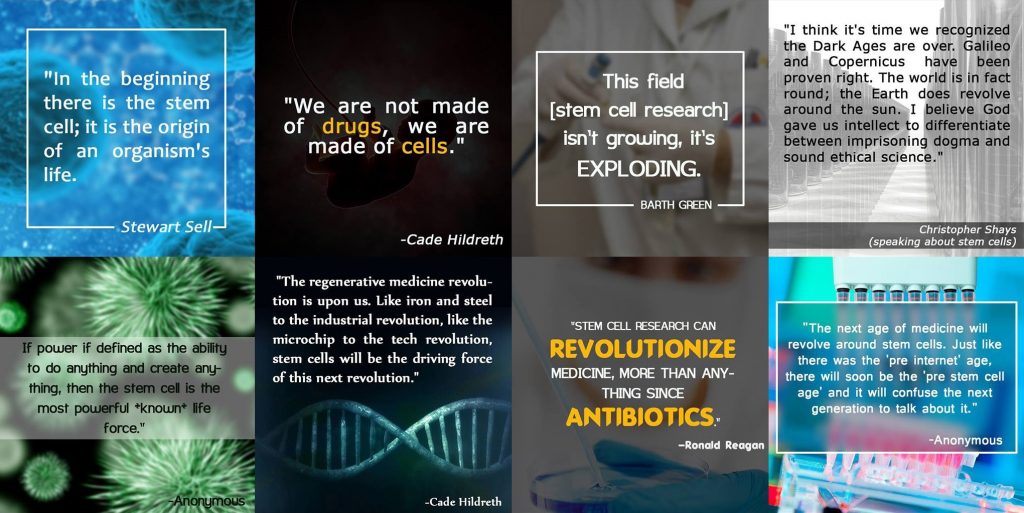
Many experts have spoken about the power of stem cells and their ability to alter the field of healthcare forever, including these top stem cell quotes of all-time. With exponential progress occurring in the field, stem cells are ushering in an age of regenerative medicine that will transform healthcare in ways that are now inconceivable.
In coming decades, stem cells will be reversing diseases ranging from Alzheimer’s to autism, re-growing organs and tissues, and potentially allowing the first humans to reach the age of 200.
Some exciting advances with stem cells include these “science fictions” that have become “science facts”: [Read more…]
- « Previous Page
- 1
- …
- 80
- 81
- 82
- 83
- 84
- …
- 339
- Next Page »