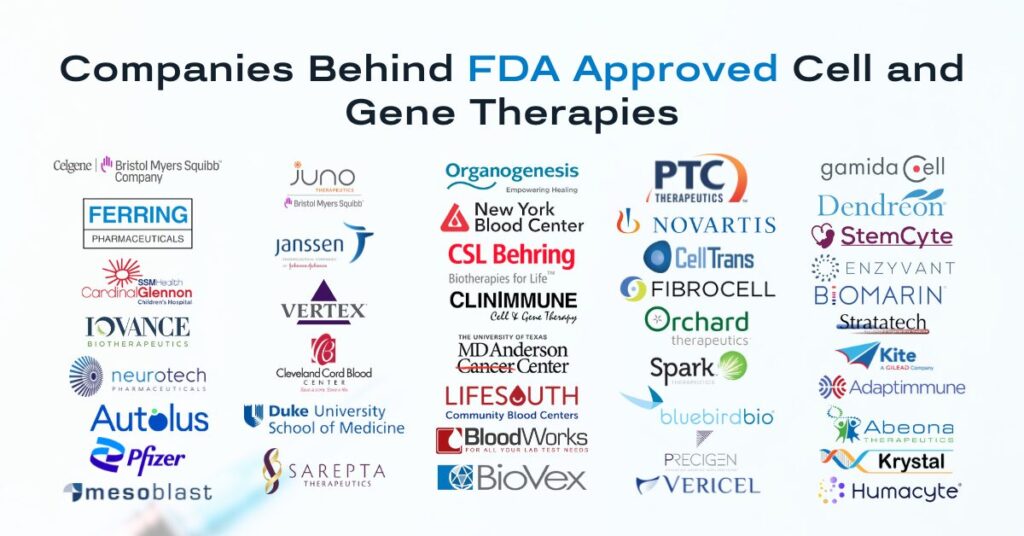
Today, researchers and clinicians are under great pressure to develop therapies capable of reversing or significantly impacting the progression of disease. In recent years, the arrival of the cell and gene therapy industries have introduced the possibility of providing transformative, durable and potentially curative outcomes for a diverse range of life-threatening conditions, as well as injuries, degenerative diseases, genetic disorders, and cancers. [Read more…]
What’s the Difference Between Neural and Neuronal Stem Cells?
Are you wondering about the term neural stem cell versus neuronal stem cell, but don’t yet know the difference? If so, you’re not alone. The short answer is that neural means pertaining to a nerve or nerves (the cordlike bundles of fibers made up of neurons), while neuronal means pertaining to neurons (the conducting cells of the nervous system).
With this understanding, the term neural stem cell describes multipotent stem cells that can self-renew and differentiate into specialized cells of the brain, such as neurons, astrocytes, or oligodendrocytes.
In contrast, neuronal is a term that describes neurons, so practically speaking, it is often used in the context of describing neuronal networks (networks of neurons) or describing neuronal differentiation. For example, one might talk about stem cell-derived neuronal networks or neuronal differentiation of induced pluripotent stem cells (iPS cells).
Therefore, when it comes to the world of stem cells, the cells that are capable of differentiating into specialized cells of the brain are neural stem cells. With this surface level understanding, let’s dive deeper.
Demand for Exosome Technologies Drives Billion Dollar Price Tags
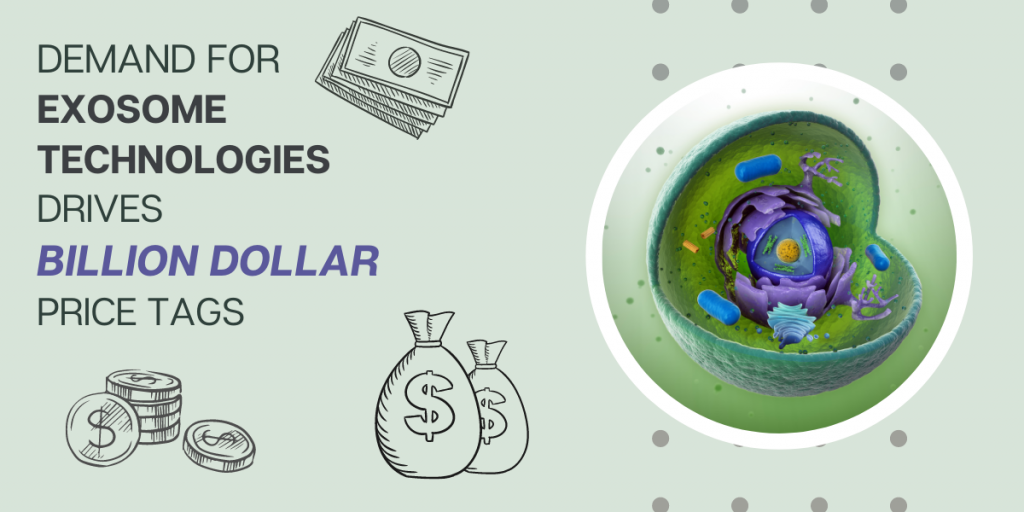
Exosomes are extracellular vesicles (EVs) of endosomal origin that range in size between 30 and 150 nanometers. Exosomes are secreted by a wide range of cells, with virtually all living cells utilize exosome-mediated communication. Today, exosomes are being explored across a diverse range of therapeutic and diagnostic applications, with particular attention being given by the pharmaceutical industry to drug-loaded exosomes. [Read more…]
What are the Different Types of Stem Cells?
No history of stem cell research is complete without an explanation of what types of stem cells exist, where they’re found, and what functions they perform in the fetus, juvenile, and adult body. As discussed, stem cells exist at different levels of specialization. Some can do anything – literally. Meanwhile, others have vast potential to develop into different tissue types, but can’t do so to a limitless extent. [Read more…]
Who Discovered Stem Cells? The Answers Revealed
Who discovered stem cells is a question that invites both historical and scientific exploration. While Robert Hooke is credited with first observing cells in the 17th century, the discovery of stem cells themselves is generally attributed to Drs. James Till and Ernest McCulloch in the 1960s.
For hundreds of years, scientists have understood that the human body is made up of trillions of microscopic structures called cells. These cells exist in more than 200 distinct types, each performing vital functions such as pumping blood, digesting food, transmitting nerve signals, and eliminating waste and toxins from the body. Stem cells are unique among these cells because they have the ability to develop into many different cell types, making them a cornerstone of modern regenerative medicine and biomedical research.
- « Previous Page
- 1
- …
- 45
- 46
- 47
- 48
- 49
- …
- 339
- Next Page »