
- UK regulatory authority MHRA approves Phase 1 trial with Cymerus(TM) MSCs
- World first clinical trial with allogeneic iPSC-derived product
- Major milestone for stem cell therapeutics and regenerative medicine
- Cements Cynata’s global leadership in second generation MSC therapeutics
Cynata Approved to Launch World’s 1st Clinical Trial with an Allogeneic iPSC-Derived Product
In a major world first, Australian stem cell company Cynata Therapeutics (ASX:CYP) announced it received advice from the UK Medicines and Healthcare products Regulatory Agency (MHRA) that its Phase I clinical trial application has been approved.
The clinical trial has been named “An Open-Label Phase 1 Study to Investigate the Safety and Efficacy of CYP-001 for the Treatment of Adults With Steroid-Resistant Acute Graft Versus Host Disease” (NCT02923375).
It will be the world’s first clinical trial involving a therapeutic product derived from allogeneic (unrelated to the patient) induced pluripotent stem cells (iPSCs).
Highlights of Cynata Therapeutics’ Upcoming Phase 1 Clinical Trial (Protocol Number: CYP-GvHD-P1-01)
Participants for Cynata’s upcoming Phase I clinical trial must be adults who have undergone an allogeneic haematopoietic stem cell transplant (HSCT) to treat a haematological disorder and subsequently been diagnosed with steroid-resistant Grade II-IV GvHD.

The first eight participants will be enrolled in Cohort A and receive two infusions of CYP-001 at a dose of 1 million cells per kilogram of body weight (cells/kg), up to a maximum dose of 100 million cells.
There will be one week between the two CYP-001 infusions in each patient.
The next eight participants will be enrolled into Cohort B and receive two infusions of CYP 001 at a dose of 2 million cells/kg, up to a maximum dose of 200 million cells.
The primary objective of the trial is to assess safety and tolerability, while the secondary objective is to evaluate the efficacy of two infusions of CYP-001 in adults with steroid-resistant GvHD.

Efficacy will be assessed on the basis of response to treatment (as determined by change in GvHD Grade) and overall survival at 28 and 100 days after the administration of the first dose.
Participants will also be followed up for up to two years under a separate non-interventional study protocol.
Importantly, Cynata’s Cymerus™ mesenchymal stem cell (MSC) technology is a second generation process that does not rely on multiple donors or massive expansion of the end product, and therefore, is a commercially viable solution to the manufacture of consistent, robust MSC therapeutic products.
Cellect Receives Israeli Ministry of Health Approval to Initiate Phase I/II Clinical Trial in Leukemia Patients
- Company’s innovative cell selection product may dramatically reduce bone marrow transplantation risks
- Patient enrollment expected to begin in the next few weeks
TEL AVIV, Israel, Sept. 13, 2016 (GLOBE NEWSWIRE)—Cellect Biotechnology Ltd. (NASDAQ:APOP) (TASE:APOP), a developer of innovative technology which enables the functional selection of stem cells, today announced that the Company has received the Israeli Ministry of Health’s approval to begin a Phase I/II clinical trial in leukemia patients. The trial, which Cellect expects will be initiated in a few weeks, is planned to be conducted in the bone marrow transplantation (“BMT”) unit of Rambam Hospital, and led by Clinical Assistant Professor, Zila Zuckerman, the Director of the unit. [Read more…]
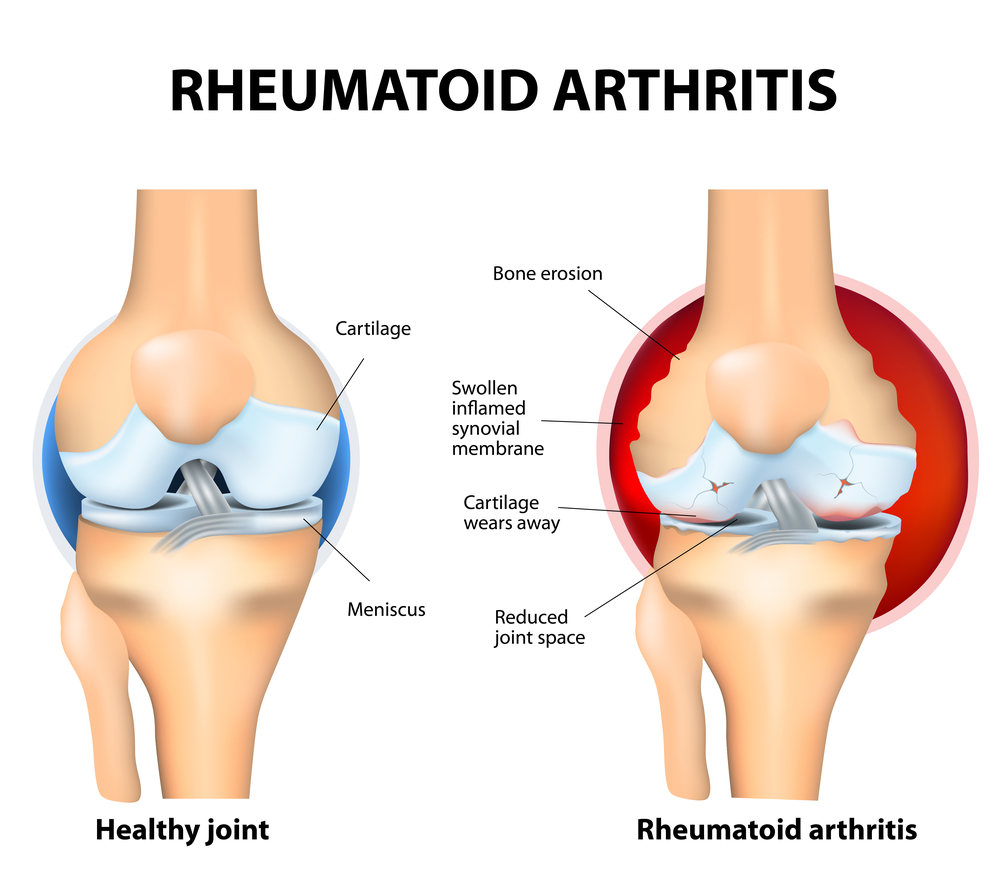
Phase 2 Trial Results of Mesoblast’s Cell Therapy Show Dose-Related Improvements in Biologic Refractory Rheumatoid Arthritis
Key points:
- The biologic refractory rheumatoid arthritis (RA) population accounts for approximately one-third of all RA patients who have received anti-TNF or other biologic agents, is the fastest growing branded market segment, the hardest to treat, and requires new therapies that are both effective and safe
- Intravenous infusions of allogeneic Mesenchymal Precursor Cells (MPCs) were well tolerated in biologic refractory RA patients and were without serious adverse events over 12 weeks
- A single intravenous MPC infusion in biologic refractory RA patients resulted in dose-related improvements in clinical symptoms, function, and disease activity, with the 2 million MPCs/kg dose providing the greatest benefit
- Importantly, ACR70, the most meaningful measure of clinical improvement, was achieved by significantly more of the high dose MPC-treated than placebo-treated patients at 12 weeks
- In patients who had previously received 1-2 biologics, a single infusion of 2 million MPC/kg resulted in 55% and 36% ACR50 and ACR70 responses, respectively, compared with 11% and 0% of placebo treated patients, and in 91% of patients achieving the minimum clinically important improvement in physical function, defined as a reduction of at least -0.22 in the HAQ-DI, compared with 33% placebo treated patients
- The safety and efficacy results of this trial provide support for the potential of Mesoblast’s allogeneic MPCs to be positioned as first-line treatment option in RA patients who have previously received a prior anti-TNF or other biologic agent
- Given the large market opportunity, Mesoblast’s Tier 1 product candidate, MPC-300-IV, is well-positioned to advance through a strategic partnership into Phase 3 development for biologic refractory rheumatoid arthritis
Mesoblast Presents 24-Month Trial Results for Chronic Low Back Pain Product Candidate MPC-06-ID

Mesoblast’s Full 24-Month Trial Results for Chronic Low Back Pain Presented at Spine Intervention Society Annual Meeting, Receive Award for Best Basic Science
Results Show Sustained Improvement In Pain And Function Over 24 Months Following A Single Intra-Disc Cell Injection
MELBOURNE, Australia and NEW YORK, Aug. 01, 2016 (GLOBE NEWSWIRE) — Mesoblast Limited (ASX:MSB) (Nasdaq:MESO) today announced that the 24-month results from the 100-patient, four-arm, randomized, placebo-controlled Phase 2 trial of its chronic low back pain (CLBP) product candidate MPC-06-ID were presented at the 24th Annual Scientific Meeting of the Spine Intervention Society (SIS) held in New Orleans July 27-30, and received the 2016 Best Basic Science Abstract award at the meeting. [Read more…]
- « Previous Page
- 1
- …
- 3
- 4
- 5
- 6
- 7
- 8
- Next Page »