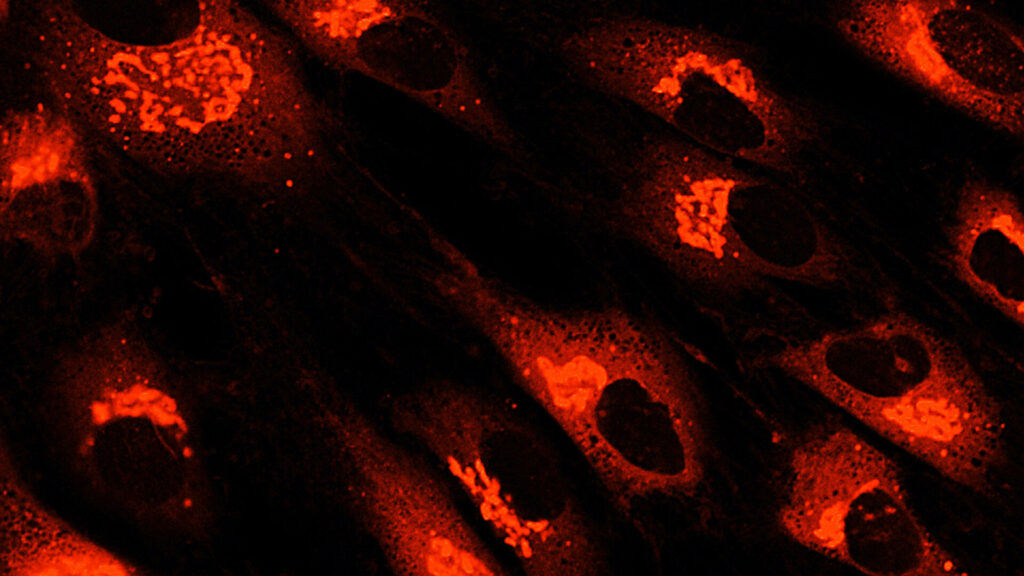
Today, the term MSC describes a class of cells that have historically been known as mesenchymal stem cells, mesenchymal stromal cells, and medicinal signaling cells, among other names. The clinical utility of MSCs is primarily attributed to their key biological properties, which include: [Read more…]
Regenexx – Dr. Chris Centeno on the Orthopedic Applications of MSCs
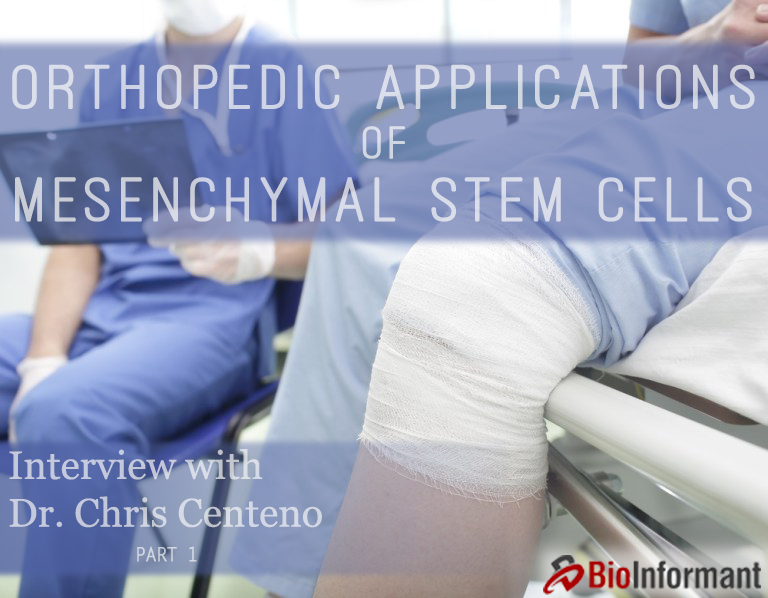

Regenexx is a U.S. company specializing in orthopedic applications of stem cells that was founded by Dr. Chris Centeno. Dr. Centeno is an international expert in regenerative medicine and the clinical use of mesenchymal stem cells (MSCs) in orthopedic applications. His Regenexx clinic in Denver, Colorado, incorporates a variety of regenerative approaches, drawing patients from all over the U.S. who are seeking innovative, non-surgical treatments. [Read more…]
Burgeoning Number of iPSC Therapies To Be Tested in Clinical Trials

Therapeutic applications of induced pluripotent stem cells (iPSCs) have surged in recent years. Since the creation of human iPSCs in 2007, it took only seven years for the first iPSC-derived cell product to be transplanted into a human patient in 2014. From 2014 to present, additional trials and physician-led studies employing human iPSC-derived cell types have been initiated across multiple geographies worldwide. [Read more…]
UniXell does first patient with an autologous iPSC-based cell therapy (UX-DA001) for Parkinson’s disease in Phase 1 study

SHANGHAI, May 23, 2025 — Shanghai UniXell Biotechnology Co., Ltd. (UniXell Biotech), a biotech company dedicated to innovative cell therapies, announced the successful first administration of its proprietary Parkinson’s disease cell drug UX-DA001 in China in March 2025. The Phase I clinical trial aims to evaluate the safety, tolerability, and preliminary efficacy of UX-DA001 in patients with Parkinson’s disease. [Read more…]
Applied StemCell Launches Two New Hypoimmunogenic hiPSC Products to Accelerate Allogeneic Cell Therapy Development
MILPITAS, Calif. — Applied StemCell, a CRO/CDMO that blends unique genome editing technology and iPSC expertise, announced the launch of their first hypoimmunogenic hiPSC products which are designed to empower researchers developing next-generation allogeneic cell therapies. The ActiCells™ RUO Hypo hiPSCs (Cat.# ASE-9550) and the ActiCells™ RUO TARGATT™ Hypo hiPSC Knock-in Kit (Cat.# AST-9650) offer powerful tools for building off-the-shelf therapies by combining reduced immunogenicity, robust pluripotency, and genome engineering readiness. They are an isogenic match to the forthcoming GMP-grade versions to offer a seamless path from early research to clinical development. [Read more…]
- « Previous Page
- 1
- …
- 39
- 40
- 41
- 42
- 43
- …
- 201
- Next Page »