
Currently over 50% of men and women are directed to unnecessary treatment or surgery. A new approach may help. Professor Alan Doucette of Dalhousie University and his colleagues have published a study funded by the Breast Cancer Society of Canada in which they capture particles released by rapidly growing cells called exosomes. Like parcels containing tools and instructions, exosomes contain an “inventory of intent.” Meaning, the cells that have released them contain genetic material proteins and metabolites that promote invasion of normal cells and commandeer their resources. [Read more…]
What are Exosomes, Exactly?
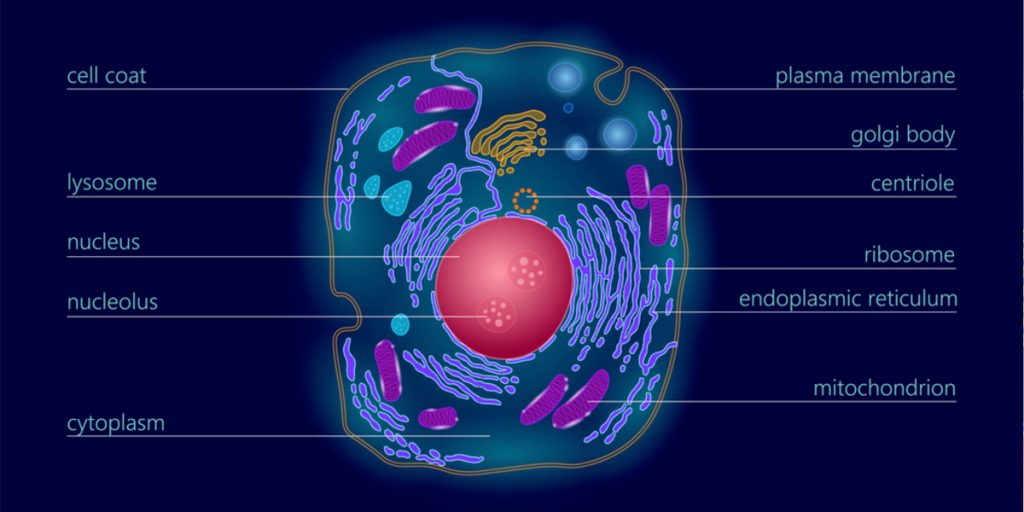
What are exosomes? For many years, exosomes were considered to be transporters of cellular waste, but they are now recognized for their essential role in intercellular communication and transportation.
[Read more…]
Leveraging MSC-Derived Exosomes for the Treatment of Autism?
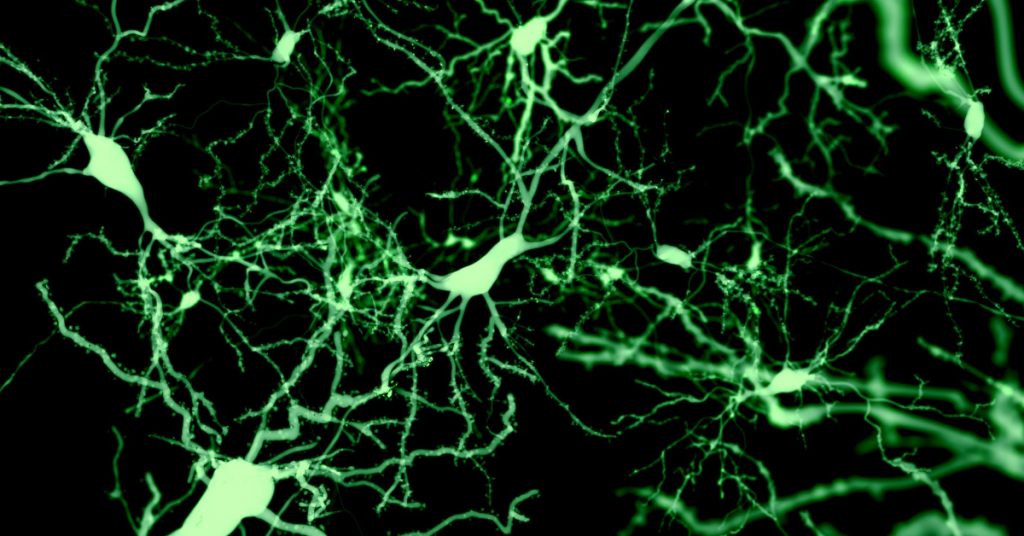
With autism spectrum disorder (ASD) affecting between 1-2% of the population and affecting all racial, ethnic, and socioeconomic groups, the condition is becoming of global importance. While the pharma industry has not yet been able to deliver a solution for this disease, the cell therapy industry is now undertaking the challenge. [Read more…]
Groundbreaking Discovery Unveils Damaging Effects of Lyophilization on Exosomes, with Major Implications for Regenerative Aesthetics
NEWS PROVIDED BY Crowley Center for Regenerative Biotherapeutics™, LLC, Dec 23, 2024 09:06 ET
Rochester, NY – November 21, 2024 – A groundbreaking study on exosome lyophilization has revealed alarming insights about the process’s impact on the integrity and functionality of exosomes, unveiling major implications for the regenerative aesthetics industry. The findings were presented by Dr. Michael Heke, PhD, Managing Director and Scientific Officer at AT Venture Center™ at the 9th International Congress of Medical Excellence in Dermatology & Aesthetic Medicine (MEIDAM) in Dubai. This pivotal research, led by Dr. Carla Mazzeo, PhD, a globally recognized exosome expert with over 20 years of experience, brings to light critical flaws in current exosome preservation methods, particularly lyophilization (freeze-drying), a common technique used for creating shelf-stable exosome products. [Read more…]
EVerZom achieves first bioproduction of clinical grade stem cell-derived exosomes in large scale bioreactors in partnership with the French Blood Establishment (EFS) with unprecedented yields
-
The disruptive, proprietary technology developed by EVerZom offers a yield 100 times higher than traditional methods.
-
This innovation has just been tech-transferred and validated in a GMP-grade biomanufacturing environment.
-
This first clinical batch will enable EVerZom to initiate regulatory non-clinical studies of its first drug candidate EVerGelTM.
- « Previous Page
- 1
- …
- 6
- 7
- 8
- 9
- 10
- …
- 28
- Next Page »