Cord Blood Associations Form in the U.S., Brazil, and Worldwide

Cord Blood Associations first appeared with the formation of a cord blood association in Brazil in 2013. Shortly thereafter, the Cord Blood Association (CBA) formed in the U.S. in December of 2014. As the cord blood industry expands, the question becomes, what role with these cord blood associations play in supporting industry growth, collaboration, and education? [Read more…]
30 Key Patents about Cord Blood (UPSTO)

A crucial benchmark to track for the cord blood market is the number and type of cord blood related patents that have been issued.
The United States Patent and Trademark Office (USPTO) has a patent analysis tool that offers a “Full Text and Image Database Search.” The database includes information about all American patents, from the first patent issued in 1790 to the most recent issue week.1 The text of patents issued from January 1976 to the present is fully searchable, including bibliographic data, such as the inventor’s name, the patent’s title, and the assignee’s name; the abstract; the full description of the invention; and the claims.2 [Read more…]
MD Anderson and NIH to Fund Clinical Trial Combining 2 Mesoblast Technologies

On December 6th, MD Anderson Cancer Center and NIH announced that they will be funding a clinical trial that will combine two Mesoblast technologies:
- Mesenchymal Precursor Cell (MPC)-based expansion
- Ex-vivo fucosylation of hematopoietic stem cells (HSCs) for cord blood transplantation in cancer patients
The purpose of the trial is to provide clinical data to indicate whether these technologies can interact synergistically to promote faster cord blood HSC engraftment for bone marrow transplant patients. [Read more…]
Precious Cells Group is First Employer Worldwide to Bank Stem Cells for Employees
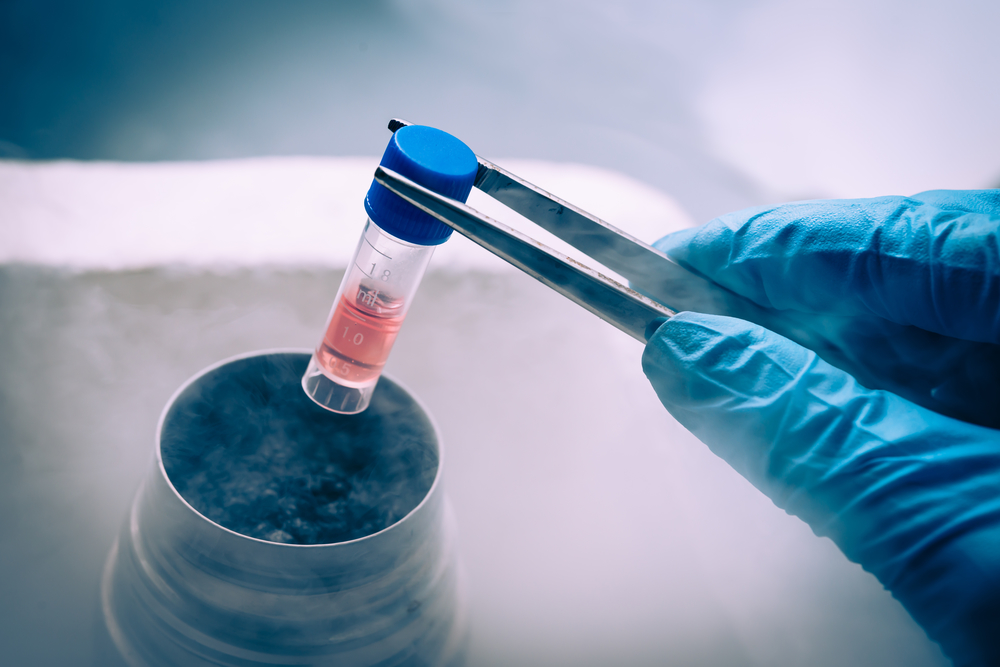
First Ever Employer to Store Lifesaving Stem Cells for Employees
 Edinburgh, UK, December 7, 2016 – Precious Cells is offering their employees the ultimate employee benefit unlike anything ever seen before. They will cryogenically store employees’ and their loved ones’ stem cells, for free. This means they can be used in treatment for life threatening conditions today, tomorrow and in the future. [Read more…]
- « Previous Page
- 1
- …
- 276
- 277
- 278
- 279
- 280
- …
- 338
- Next Page »