|
|
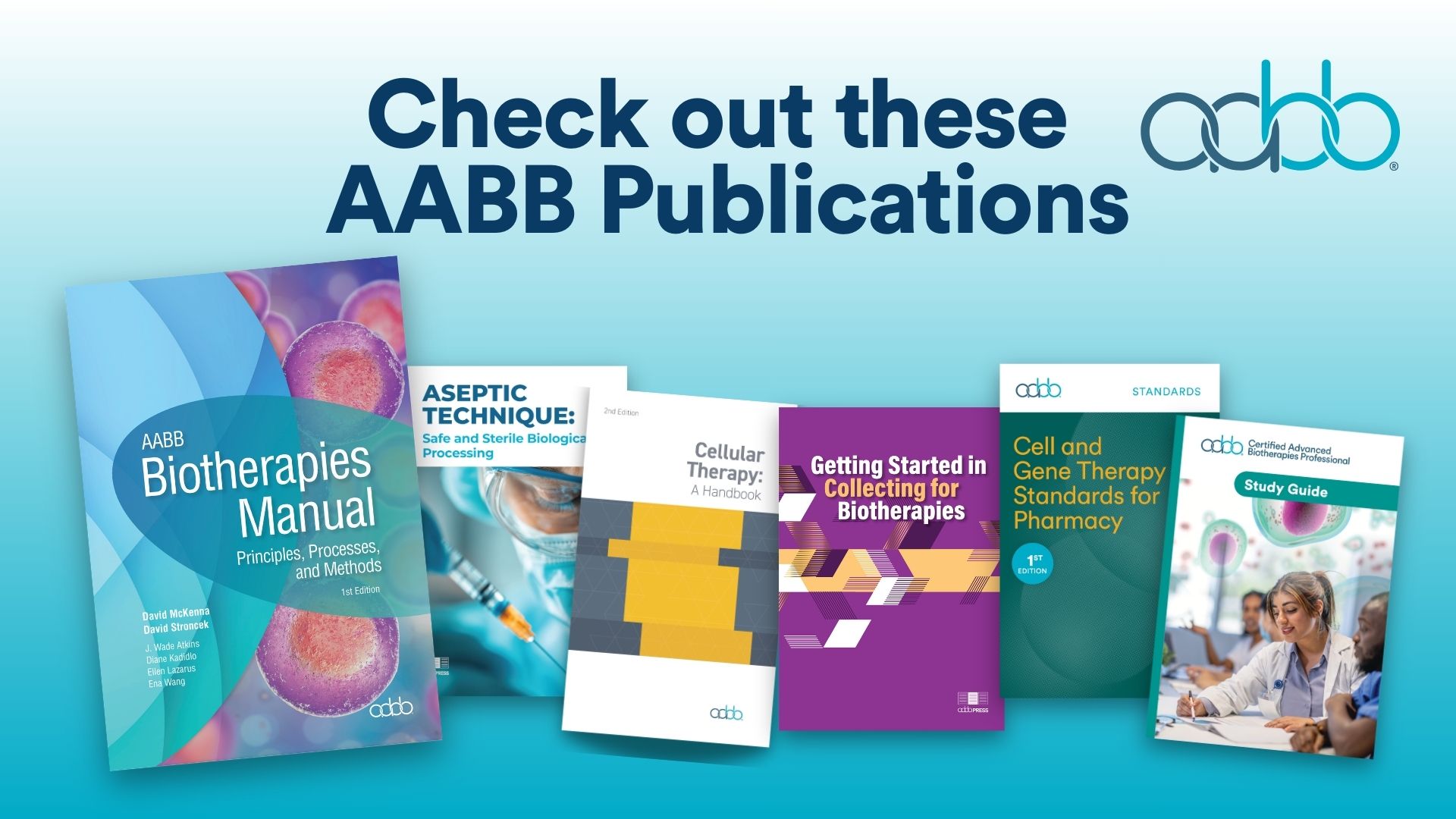
There is no better time to put together your biotherapies reading list for 2026! In partnership with AABB (Association for the Advancement of Blood & Biotherapies), BioInformant shares 10 must-have technical resources and guides for biotherapies enthusiasts.
1. AABB Biotherapies Manual – COMING SOON!
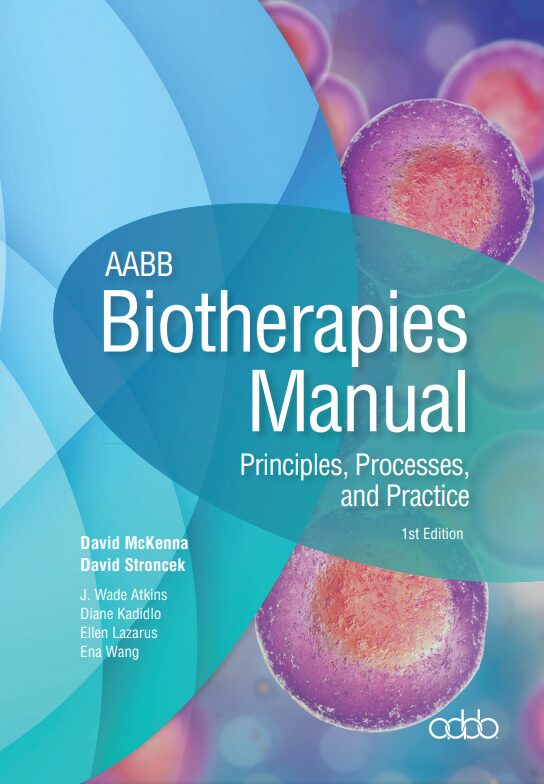 The forthcoming AABB Biotherapies Manual will be a first-of-its-kind reference that provides a structured guide across the full biotherapies lifecycle, from regulation and quality systems to manufacturing, testing, storage and infusion. Developed by leading experts from academia and industry, this thorough reference will deliver practical insights to strengthen programs and ensure safe, effective, high-quality product development and delivery. Serving professionals across clinical, academic and commercial settings, the Manual will serve as a foundational resource to navigate today’s rapidly expanding biotherapies field.
“We’ve gathered an outstanding group of leaders in the field to create what will be the go-to text on biotherapies — covering everything from regulations and quality to product development and ultimately patient administration.“-
David McKenna, MD, scientific & medical director at University of Minnesota and AABB Biotherapies Manual editor.
The AABB Biotherapies Manual will be available in the AABB Store later in 2026. You can register via AABB’s online form to get notified as soon as it becomes available!
2. Certified Advanced Biotherapies Professional (CABP) Study Guide
First established by AABB in 2021, the CABP exam is the only credentialing program of its kind for validating the full mastery of the biotherapies field. This time last year, BioInformant shared 7 Reasons to Take the CABP Exam In 2025 – and we have to say, each and every one of those reasons still stand for 2026!
The CABP Study Guide is a comprehensive, 300+ page resource designed to help you confidently prepare for the exam. Fully aligned with the CABP syllabus, it covers the seven domains in detail, including key terms, objectives, in-depth overviews, study strategies and references. The guide also includes practical resources, including a self-assessment tool, study plan tool and study group planner, to support your preparation.
From understanding biotherapies in the patient care ecosystem to navigating manufacturing practices, quality systems and regulatory requirements, this guide highlights everything you need to know for the CABP exam. Whether you’re just starting or refining your preparation, this guide offers the structure, content and strategies to help you succeed.
Available in print in the AABB Store. More information on the CABP, Becoming a CABP and CABP for organizations, including institutional pricing, can be found on the AABB website.
3. Certified Advanced Biotherapies Professional (CABP) Sample Exam Questions Sets Bundle
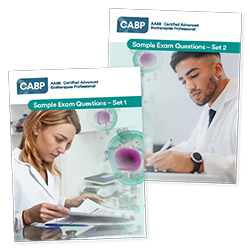 We couldn’t mention the CABP Study Guide without giving a shout out to its sidekick – AABB’s CABP Sample Exam Questions Sets bundle. Covering content across all seven of the exam’s domains, this downloadable digital study resource was specially developed by subject matter experts to help CABP candidates prepare for the online, proctored exam. This downloadable, printable resource includes 200 sample exam questions covering the exam’s seven key domains, as well as an appendix containing an answer key and detailed rationales for each sample question.
Available digitally in the AABB Store.
4. Cellular Therapy: A Handbook, 2nd edition
This handbook provides a comprehensive, practical introduction to hematopoietic stem cell transplantation (HSCT), gene-modified cell therapies and adoptive immunotherapies, integrating foundational biology with real- world clinical and laboratory practice. This edition has been completely revised and updated by experts to bring you the most recent developments in the field. Readers are guided through the full lifecycle of cellular therapy products, from stem cell biology and donor collection to processing, cryopreservation, quality control, clinical transplantation and management of complications.
This handbook is ideal for physicians, laboratory professionals, nurses, scientists and trainees entering the field, and also serves as a concise reference for experienced practitioners working in cellular therapy laboratories and transplant programs. Available in print and digital editions in the AABB Store.
5. Standards for Cellular Therapy Services, 12th edition
Since 1957, AABB Standards have helped health care and biotherapies organizations throughout the world improve quality and safety. Currently applied to more than 1,200 AABB-accredited facilities in more than 50 countries, AABB Standards combine optimal quality management principles with practical, technical requirements for specific areas of practice. Built on AABB’s globally recognized Quality System Essentials, they provide a trusted foundation for advancing consistent, high-quality operations across diverse settings.
AABB’s Standards for Cellular Therapy Services outlines the latest standards of practice for cellular therapy facilities and uses an evidence-based approach to align with evolving scientific, regulatory and clinical practices across the full cellular therapy lifecycle, including procurement, processing, storage, distribution and administration.
Available in print in the AABB Store. Additional standards with guidance bundle and standards portal also available.
6. Cell and Gene Therapy Standards for Pharmacy, 1st ed
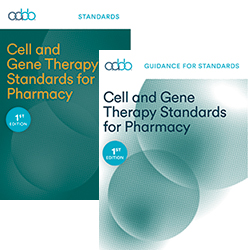 Speaking of AABB Standards, specialty pharmacies handling and dispensing cell and gene therapy products won’t want to miss this brand-new publication from AABB!
As cell and gene therapies have expanded, the role of specialty pharmacies in dispensing these products has become significant – and AABB is the only organization setting standards for these pharmacies. Although pharmacies adhere to general accreditation standards, existing quality standards were never built to be specifically tailored to address these new cellular and gene therapy products.
Management of advanced therapies requires unique storage and handling conditions, as well as appropriately trained personnel to maintain their integrity and effectiveness. For this set of Standards, AABB convened a multidisciplinary group of experts to develop dedicated guidance specifically tailored to the unique risks and requirements of these products within pharmacy.
Print edition, standards with guidance bundle and standards portal available in the AABB Store. Pharmacies interested in pursuing AABB accreditation via the Cell and Gene Therapy Standards for Pharmacy can find more on the AABB website.
7. Getting Started in Processing for Biotherapies
For organizations preparing to launch or expand a cellular therapy processing laboratory, this book is ideal. Focused on process rather than policy alone, Getting Started in Processing for Biotherapies helps readers navigate the critical planning decisions required for success in a highly regulated and rapidly evolving field. It addresses the fundamental questions institutions must consider—ranging from service scope and projected volumes, to space, staffing, risk and financial sustainability—while providing a structured roadmap to move a program from concept to implementation.
The book covers essential topics including business planning, core cellular therapy processing operations, personnel and contracted services, quality management systems and regulatory oversight. Additional tools, such as planning checklists, FDA-approved product listings, facility flowcharts and cleanroom examples, support practical decision-making. Together, the content equips new and expanding programs with the foundational knowledge needed to design, build, and manage a compliant and sustainable biotherapy processing operation.
Available in print and digital editions in the AABB Store.
8. Getting Started in Collecting for Biotherapies
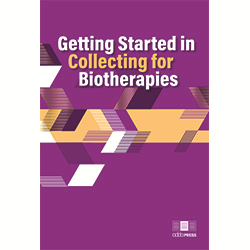 The rapid expansion in the field of biotherapies is driving unprecedented demand for apheresis collection of cellular starting material. Because of this, AABB developed a practical guide for facilities preparing to launch or expand collections in support of cellular and gene therapies. Created by a multidisciplinary group of expert apheresis physicians and allied health professionals across the United States, the book addresses the growing demand for mononuclear cell collections as biotherapies expand into community and rural settings. It provides essential guidance on the operational, financial, medical and regulatory questions organizations commonly face when entering this space.
The book covers institutional planning, budgeting and staffing, donor assessment, vascular access, core apheresis principles, pediatric considerations and quality and regulatory oversight when collecting for biotherapies.
Available in print and digital editions in the AABB Store.
9. Aseptic Technique: Safe and Sterile Biological Processing
Aseptic technique is familiar territory for medical professionals. However, the depth or thoroughness of the practices applied may vary widely. What is the correct way to remove gloves? How far inside the BSC should work be performed? Where is the only safe place to touch pipettes and sharps? How often should lab coats be changed? What is the difference between cleaning and disinfecting? What size of spill should be handled with a spill kit vs absorbent towels? This concise volume is packed with practical content on topics such as:
- Creating an aseptic workplace.
- Do’s and dont’s of using laboratory instruments and equipment.
- Personal and laboratory hygiene.
- Types and routes of laboratory-acquired infections.
- Environmental monitoring.
- Appendices provide multiple self-tests that are entertaining as well as instructional. Also included are suggested readings, an environmental monitoring schedule and other helpful tools.
Available in print and digital editions in the AABB Store.
10. Apheresis: Principles and Practice, 4th ed, Volume 3: Cellular Therapy Apheresis
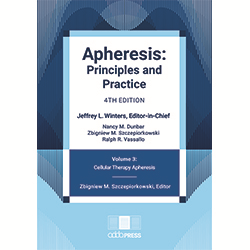 Since its first publication, Apheresis: Principles and Practice has served as a valuable resource for the field of transfusion medicine and biotherapies.
Currently in its fourth edition, the expansive reference book has evolved throughout the years, expanding into three separate volumes with the new edition to provide a comprehensive account of the scientific, technical and practical aspects of apheresis: therapeutic apheresis (Volume 1); donor apheresis (Volume 2) and cellular therapy (Volume 3).
Published in 2025, this volume is dedicated to apheresis practice and the collection of products in the ever-growing field of cellular therapy and biotherapeutics. From cellular therapy donor evaluation to applications for extracorporeal photopheresis, each chapter was designed to help practitioners better understand their role in the complex process of creating cellular therapy products.
Available in print and digital editions in the AABB Store.
AABB Publications
AABB’s publications remain some of the most influential, widely used and well-respected books for the field, comprising critical resources for professionals at every stage of their career and for facilities that want to have a well-stocked library for their staff. All of AABB’s publications are written and edited by leading experts and are designed to spread knowledge and share resources to promote the advancement of the blood and biotherapies field.
Visit the AABB Store to browse all products and publications or to place an order. Anyone can order from the AABB Store, but AABB membership does give you access to AABB products at a discounted AABB member price. For more information on AABB membership, pricing and full list of benefits, visit the AABB membership webpage. 2026 might just be the perfect time to join!
Tell Us What You Think!