
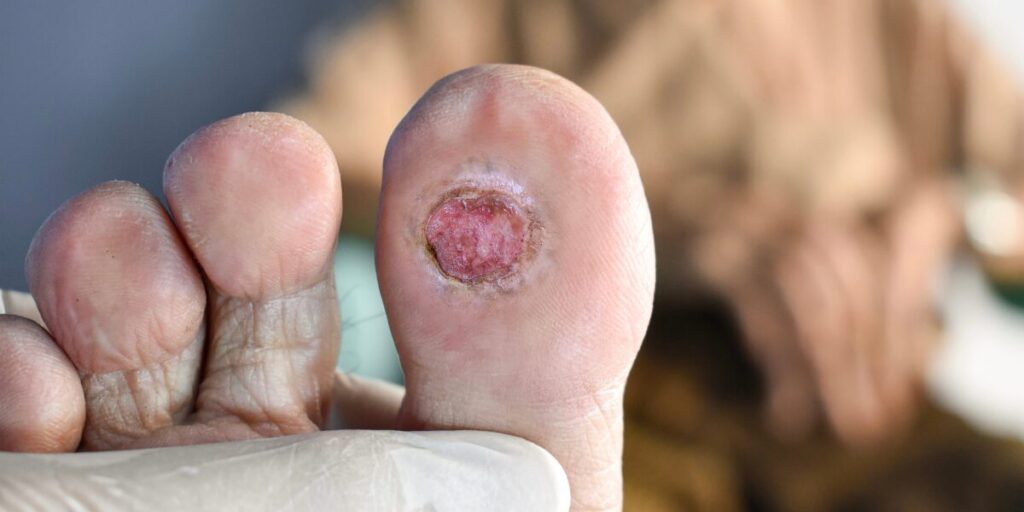
Diabetes is a condition that affects millions worldwide, and one of its most challenging complications is the development of chronic wounds, including skin wounds and ulcers. These persistent wounds are not only painful and debilitating but also pose significant risks for infection and amputation. Traditional treatments often fall short, leading to the exploration of advanced regenerative therapies, including stem cells and exosomes, which have the potential to transform the management of these difficult conditions.
Companies are making significant strides in this field, and clinical trials are underway to test the effectiveness of these innovative approaches.
Diabetic Risks and Skincare Complications
Diabetic patients are at a heightened risk for a range of skin complications due to the effects of diabetes on circulation, nerve function, and immune response. These complications can significantly impact their quality of life and require careful management. Some of the most common and serious skin issues in diabetic patients include:
1. Chronic Wounds and Ulcers
One of the most prevalent and concerning skin complications in diabetes is diabetic foot ulcers. These are open sores or wounds that develop on the feet, typically on pressure points like the heels or balls of the feet. They arise due to poor blood circulation and neuropathy, which reduces the ability to feel injuries and impairs the healing process. Persistent infections and the risk of amputation are significant concerns associated with diabetic foot ulcers.
In addition to foot ulcers, diabetic patients can experience other types of chronic wounds that fail to heal properly. These can occur anywhere on the body and are often complicated by poor blood flow and an impaired immune response. Non-healing wounds are characterized by their slow or stalled healing progress and can lead to further complications, including infections.
2. Diabetic Dermopathy
Diabetic dermopathy, also known as “shin spots,” is a common skin condition among diabetic patients. It presents as light brown, scaly patches on the skin, typically on the shins. These patches are harmless and generally do not require treatment, but they indicate changes in blood flow and skin integrity related to diabetes.
3. Acanthosis Nigricans
Acanthosis nigricans is a condition where the skin becomes dark and velvety, often appearing in areas such as the neck, armpits, and groin. This condition is associated with insulin resistance, which is common in Type 2 diabetes. The darkened areas can become thickened and may cause cosmetic concerns.
4. Infections
Diabetic patients are more susceptible to skin infections due to impaired immune response and poor blood circulation. Common infections include:
- Bacterial Infections: These can manifest as boils, cellulitis, or abscesses. The presence of chronic wounds provides an entry point for bacteria.
- Fungal Infections: Conditions like athlete’s foot (tinea pedis) and candidiasis are more prevalent among diabetics due to high blood sugar levels creating a favorable environment for fungal growth.
- Yeast Infections: Candida infections can occur in moist areas such as skin folds and between toes.
5. Eruptive Xanthomas
Eruptive xanthomas are small, yellowish-orange, pea-sized bumps that appear on the skin, particularly on the buttocks, back, and shoulders. These lesions are associated with elevated triglyceride levels and are indicative of poorly controlled diabetes.
Stem Cells as a New Frontier in Diabetic Wound Care
Stem cell therapy has emerged as a groundbreaking treatment for chronic diabetic wounds. Stem cells, particularly mesenchymal stem cells (MSCs), have shown remarkable potential due to their ability to differentiate into various cell types and release growth factors that aid tissue repair and regeneration. MSCs can enhance wound healing by promoting cellular regeneration, reducing inflammation, and stimulating angiogenesis, the formation of new blood vessels.
One notable company advancing this approach is CureDM, which focuses on developing stem cell therapies specifically for diabetes-related complications. Their research includes using MSCs to address chronic diabetic wounds, aiming to accelerate healing and reduce the risk of severe complications.
Celularity, another key player, is exploring the use of stem cells derived from the placenta, which have shown promise in preclinical studies for improving wound healing and reducing inflammation in diabetic foot ulcers.
In addition to these companies, Acelity (now part of 3M) has been involved in researching stem cell-based therapies to enhance wound care products. They are investigating how stem cell-derived factors can be incorporated into advanced wound dressings to improve healing outcomes.
Leveraging Exosomes for Diabetic Wound Care
Exosomes, tiny vesicles released by cells, are also emerging as an intriguing tool due to their therapeutic applications. These vesicles can transport a rich cargo of proteins, lipids, and RNAs that play crucial roles in cell communication and tissue repair. When derived from stem cells, exosomes can transfer regenerative signals to the targeted tissues, promoting healing and reducing inflammation.
Aethlon Medical’s subsidiary, Exosome Sciences, is a leading company in this domain. They are developing exosome-based therapies to treat chronic wounds, including diabetic foot ulcers. By applying exosome formulations directly to wounds, they aim to harness the regenerative potential of these vesicles to accelerate healing and improve tissue regeneration.
Tissium, a biotech company specializing in advanced biomaterials and regenerative medicine, is also exploring the application of exosomes for wound care. Their research focuses on integrating exosomes into novel wound dressings and scaffolds, enhancing their effectiveness in promoting wound closure and reducing scar formation.
Also, as early as 2005, Singapore-based CellResearch Corporation was testing the use of MSCs on diabetic chronic wounds that had failed to heal with any other treatment. This work was overseen by Dr. Ivor Lim, a plastic surgeon and the company’s Chief Medical Officer (CMO).
Clinical Trials Investigating Advanced Therapies for Diabetic Complications
Several clinical trials are currently underway to evaluate the efficacy of stem cell and exosome-based treatments for diabetic wound care.
For example, a clinical trial led by CureDM is investigating the safety and efficacy of MSCs in patients with chronic diabetic foot ulcers. This trial aims to assess whether MSC therapy can significantly improve wound healing rates and reduce the need for amputations.
Another exciting trial is being conducted by Celularity, which is evaluating the application of placental-derived MSCs in treating diabetic wounds. The study focuses on determining the optimal dosing and delivery methods to maximize the regenerative benefits of these cells.
Exosome Sciences is also running trials to test their exosome-based therapies for chronic wounds. Their studies are designed to measure how exosome-enriched treatments impact wound healing times and overall patient outcomes compared to standard treatments.
The Road Ahead for Regenerative Therapies in Diabetic Wound Care
The integration of regenerative treatments—such as stem cells, exosomes, and other pro-regenerative therapies—into diabetic wound care represents a promising leap forward. By targeting the underlying mechanisms of wound healing and tissue repair, these therapies offer the potential to revolutionize the management of chronic diabetic wounds and foot ulcers.
As research progresses and clinical trials continue, these innovative treatments could provide new hope for patients suffering from the debilitating effects of diabetic complications. Companies like CureDM, Celularity, Exosome Sciences, and Tissium are at the forefront of this revolution, pushing the boundaries of what is possible in wound care.
In conclusion, regenerative therapies are not just enhancing the treatment of diabetic skincare complications—they are redefining it. With ongoing research and clinical trials, we appear to be on the brink of a new era in wound care that has the potential to offer more effective, less invasive, and ultimately transformative solutions for those affected by diabetes.
Of course, these treatments are in their early-stages and further research will be needed to forge this path ahead.
If you found this blog valuable, subscribe to BioInformant’s stem cell industry updates.