
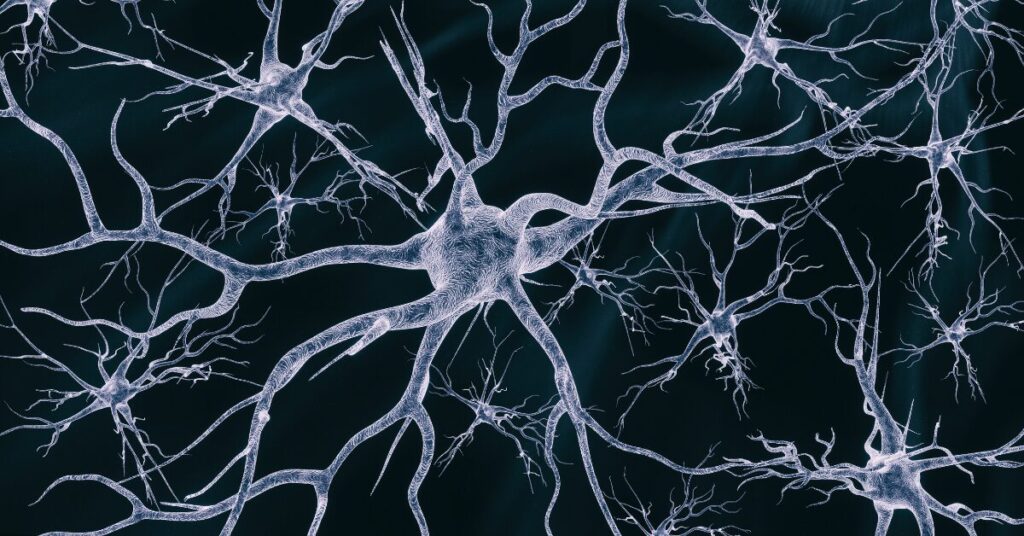
Neurogenesis is the process by which neurons are created. This process is most active during pre-natal development when neurogenesis is responsible for populating the growing brain. Neural stem cells (NSCs) are the self-renewing, multipotent cells that differentiate into the main phenotypes of the nervous system. These cell types include neurons, astrocytes, and oligodendrocytes. Neural progenitor cells (NPCs) are the progeny of stem cell division that normally undergo a limited number of replication cycles in vivo.
The Rise of Neural Stem Cells
In 1992, Reynolds and Weiss were the first to isolate neural stem cells from the striatal tissue of adult mice brain tissue, including the subventricular zone, which is a neurogenic area. Since then, neural progenitor and stem cells have been isolated from various areas of the adult brain, including non-neurogenic areas like the spinal cord, and from other species, including humans. During the development of the nervous system, neural progenitor cells can either stay in the pool of proliferating undifferentiated cells or exit the cell cycle and differentiate. The past twenty years have seen great advances in neural stem cell research and applications.
NSCs can be regulated both in vitro and in vivo, which represent different commercial product opportunities. Neural stem cells have become of profound interest to the research community due to their potential to be used in drug discovery and delivery applications, as well as for tools of neural toxicology assessment. NSC transplantation also represents a ground-breaking approach for treating a range of chronic neurological diseases and acute CNS injuries, including Parkinson’s, Alzheimer’s and spinal cord injury, among other conditions.
Furthermore, neural stem and progenitor cells offer the potential to safely carry out pharmacology assessment for drugs designed to impact brain function or physiology. As tests on human cells become increasingly feasible, the potential grows for companies to develop disease-specific cell assays. As novel drug delivery agents, neural stem cells also show promise in killing gliomas and other cancers. To facilitate research resulting from these advances, a large and diverse market has emerged for neural stem cell products and services. One thriving component of the neural stem cell marketplace is the market for research reagents/supplies.
The Current State of Neural Stem Cells
While the number of adult stem cell therapies entering clinical trials continues to expand, the development of neural stem cell therapies has been affected by barriers to entry that include patent restrictions, the complexity of neural stem cell applications, and burden of undertaking costly clinical trials. Despite these limitations, dozens of companies are now pursuing preclinical and clinical programs utilizing neural stem and progenitor cells as therapeutic products.
Pharmaceutical companies are demonstrating interest in neural stem and progenitor cells. Because of their plasticity, ability to develop into the main phenotypes of the nervous system, and unlimited capacity for self-renewal, NSCs have been proposed for use in a variety of pharmaceutical applications, including:
- Neurotoxicity testing
- Cellular therapies to treat CNS conditions
- Neural tissue engineering and repair
- Drug target validation and testing
- Personalized medicine
Utilization of neural stem cell products by the pharmaceutical sector represents a thriving segment of the overall NSC marketplace. Of interest to this community is the use of neural stem cells to heal tissues that have a naturally limited capacity for renewal, including the human brain and spinal cord.
Development of new drugs is extremely costly and the success rate of bringing new compounds to the market is unpredictable. Therefore, it is crucial that pharmaceutical companies minimize late-stage product failures, including unexpected neurotoxic effects, that can arise when candidate drugs enter the clinical testing stages. It is desirable to test candidate drugs using in vitro assays of high human relevance as early as possible. Because neural stem cells have the potential to differentiate into nearly all the main phenotypes of the nervous system, they represent an ideal cell type from which to design such neural screening assays.
The concept of stem cells as a potential cure for neurodegenerative diseases is not new. While neural stem cells (NSCs) have been explored for more than two decades for use in treating neurodegenerative and neurodevelopmental diseases, recent progress with developing NSCs from human-induced pluripotent cells has accelerated interest in developing cell-based therapeutics to target neurodegenerative diseases. As safety and efficacy results having been obtained from preclinical and clinical tests performed in animal models, companies have moved onto human clinical trials using NSCs derived from different sources. For the first time in history, there are companies developing technologies to support autologous generation of neural stem cells by direct cell reprogramming.
Nearly one billion people in the aging population worldwide are affected by neurodegenerative diseases, there are no medications currently available to cure or stop the progression of these diseases. Available drugs can sometimes provide symptomatic relief, but they do not address the underlying disease, making alternative approaches badly needed. To date, researchers have successfully isolated, propagated, and characterized NSCs, and there are confirmed reports of neurogenesis of transplanted NSCs in the human brain.
There has also been an upsurge in collaborative activities among pharmaceutical companies, research institutions, and start-up companies within the neurodegenerative market.
The Future of Neural Stem Cells
Today, the landscape of neural stem cell (NSC) research continues to expand, offering unprecedented opportunities for both therapeutic applications and pharmaceutical innovation. Advances in induced pluripotent stem cell (iPSC)-derived NSCs, direct cell reprogramming, and bioengineered neural tissues are accelerating the potential for regenerative medicine. Meanwhile, the integration of AI and high-throughput screening is streamlining drug discovery efforts, making NSCs an invaluable tool for neurotoxicity testing and personalized medicine.
With increasing investment from biotech firms and pharmaceutical giants, along with growing regulatory support, the commercialization of neural stem cell therapies is closer than ever. While challenges remain, including regulatory hurdles and scalability concerns, the momentum behind NSC research signals a transformative decade ahead—one where neural stem cells could redefine how we treat and understand neurodegenerative diseases.
If you found this blog valuable, subscribe to BioInformant’s stem cell industry updates.