Cosmeceuticals—cosmetic products that deliver pharmaceutical-like benefits—are a rapidly growing sector of the cosmetic and anti-aging industry. Among the most exciting innovations are exosomes, small extracellular vesicles that transport bioactive substances such as proteins, lipids, and nucleic acids to target cells, influencing gene expression and cellular behavior. Their ability to promote collagen production, tissue regeneration, and anti-inflammatory effects has positioned them as powerful tools in skincare and cosmetic applications.
Applications in Skincare and Cosmetic Medicine
Cosmeceutical applications are ones that involve the use of exosome-based therapies or products to enhance physical appearance, most commonly by rejuvenating the skin, improving skin tone and texture, correcting skin pigmentation, promoting hair regrowth, reducing inflammation, improving scarring, and/or accelerating tissue repair.
While many of these innovations focus on advanced bioengineered ingredients, there is also growing interest in simpler formulations that support skin repair and reduce inflammation. For example, botanical cosmeceutical approaches like Norse Organics use concentrated, water-free ingredients designed to support acne-prone and sensitive skin without relying on complex synthetic systems.
In recent years, exosome tools have been increasingly used within cosmetic procedures, most often within the context of regenerative medicine, dermatology, post-operative surgical care, anti-aging, and longevity. This market segment includes exosomes themselves that directly used for aesthetic purposes, cosmetic products that integrate exosomes for aesthetic purposes (cosmetics, lotions, serums, etc.), tools that directly leverage exosomes for aesthetic purposes, and in rare cases, equipment if there are exosomes integrated into its use.
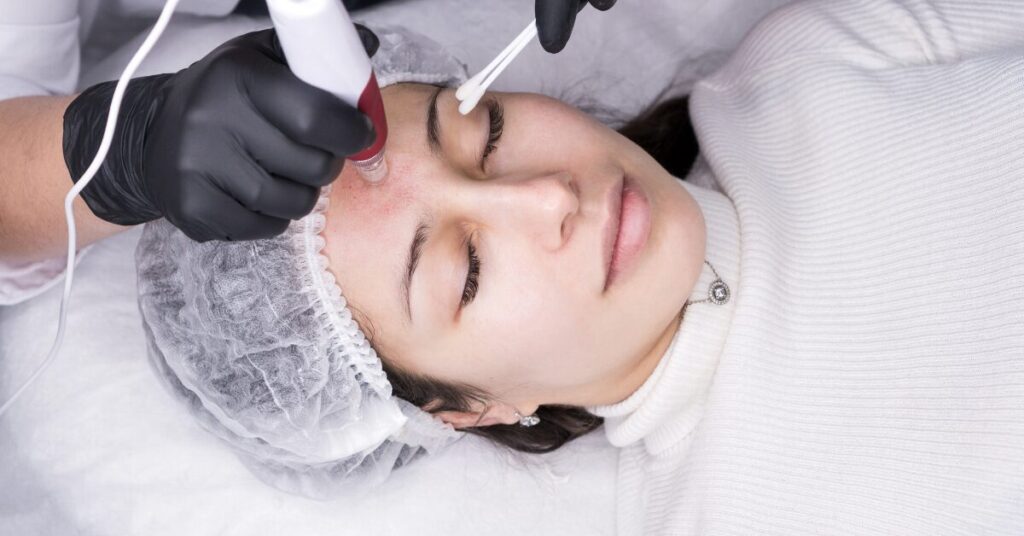
Although the FDA has not approved any exosome-based products specifically for skincare or cosmetic use, they are already in wide circulation. Dermatologists, plastic surgeons, estheticians, and other medical professionals are incorporating exosome serums into treatments ranging from facials and microneedling to scar reduction and hair restoration. Additionally, exosome-enriched creams and serums are sold as high-end, over-the-counter skincare solutions.
Key Product Categories in Exosome-Based Cosmeceuticals:
- Skincare Cosmetics – Creams and serums with exosomes to promote collagen synthesis and improve skin elasticity.
- Skin Rejuvenation – Used alongside procedures like microneedling and laser treatments to reduce wrinkles and pigmentation.
- Scar Repair – Helps minimize the appearance of keloids and hypertrophic scars.
- Hair Regeneration – Stimulates hair follicles to encourage growth and reduce hair loss.
- Integrated Products – Incorporates exosomes into advanced delivery systems like microneedle patches, transdermal devices, and .other devices
Today, leading products in the global beauty market include:
- XOGLO
- Lifeline Intense Moisture Serum
- SkinMedica TNS Recovery Complex
- CALECIM Professional Serum
- U Autologous Regenerative Eye Cream
- Venus Skin Stem Cell Therapy Serum
- Beautigenix Hydrating Mask
- Ruby-Cell Intensive 4U Mist
- Skin Drink Phytoceuticals Sculpting Serum
These formulations commonly use exosomes derived from mesenchymal stem cells (MSCs) sourced from bone marrow, adipose tissue, umbilical cords, and placentas. Additional sources include conditioned culture medium, plants, and microbes.
Exosomes for Cosmetic and Anti-Aging Applications
Exosome therapies are increasingly favored in cosmetic dermatology. When paired with microneedling, exosome treatments have demonstrated reductions in fine lines, wrinkles, and age spots. Some clinics even inject exosomes to boost facial volume—positioning the treatment as a potential alternative to dermal fillers. In addition to cosmetic rejuvenation, exosomes show promise for treating skin conditions such as acne, eczema, cold sores, rosacea, and wounds.
Adipose-derived stem cell (ADSC) exosomes are proving effective in treating keloids and hypertrophic scars. These exosomes reduce scar formation by inhibiting fibroblast proliferation and extracellular matrix (ECM) overproduction. Bioscience Institute’s LIPOSKILL PLUS is a prominent example, helping reduce scars and stretch marks through ECM reconstruction and tissue repair.
Hair regeneration is another promising area. In August 2023, ExoCel Bio launched Evovex Refine, a serum using placental MSC-derived exosomes to stimulate hair follicles and reduce hair loss. Over 500 dermatologists in the U.S. currently offer the treatment. Another leader, RION Aesthetics, markets a platelet-derived exosome serum enriched with biotin, sea moss, turmeric, hyaluronic acid, and antioxidants, clinically shown to improve scalp coverage.
As scientific understanding of exosomes deepens, their integration into cosmeceuticals will likely accelerate. From scar repair to skin rejuvenation and hair growth, exosomes are redefining what’s possible in beauty and personal care. Their regenerative properties and cellular-level benefits make them a compelling frontier for modern skincare.
As research continues to discover the benefits of exosomes, we can expect more brands to incorporate these powerful components into their formulations and bring innovative solutions to the market. BioInformant estimates that the exosome-based skin care market is currently worth approximately $251 million annually. Of course, other market segments—such as exosome research products, exosome diagnostics, exosome therapeutics, and “ready-to-use” exosomes—are also growing rapidly.
“Ready-to-use” exosomes are pre-isolated, purified extracellular vesicles (typically from stem cells, immune cells, or other defined cell lines) that are manufactured, quality-controlled, and supplied in a standardized format for immediate application in research, product formulation, or clinical development. These exosomes are often provided in vialed, lyophilized (freeze-dried), or liquid suspension formats, requiring no additional isolation or purification steps before use. They are designed for ease of integration into workflows for applications in aesthetic medicine, regenerative therapies, drug delivery, diagnostics, or R&D.
Ready to learn more about this exciting market area? View the “The Global Exosome Market – Market Size, Forecast, Trials and Trends.”