
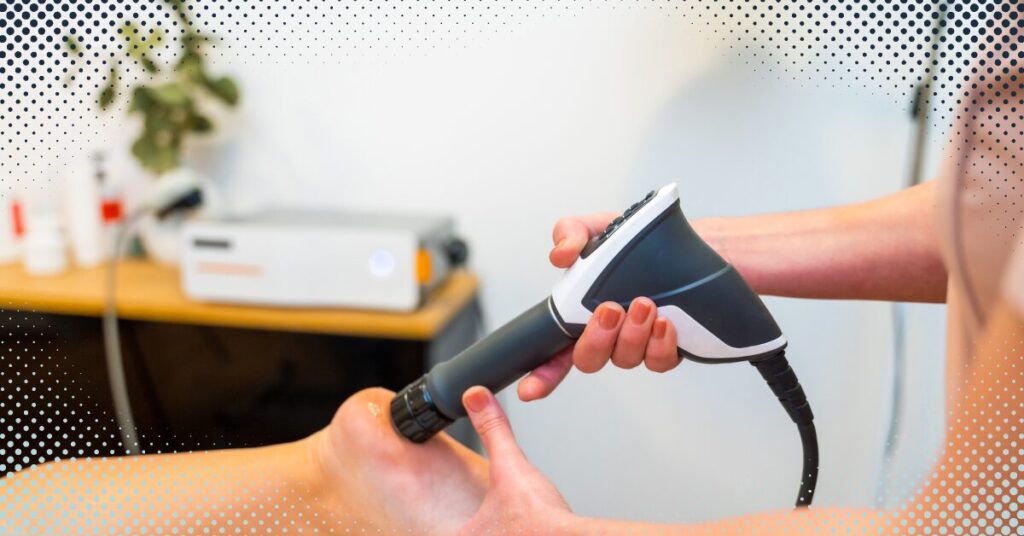
Shockwave therapy is a medical treatment used for various conditions. It uses sound waves to stimulate healing in damaged tissues. People often seek this therapy for pain relief without surgery.
Many consider the cost of shockwave therapy an investment in their health. The treatment is non-invasive and usually involves several sessions. It is also a popular alternative to surgery for conditions such as tendinitis, plantar fasciitis, and tennis elbow.
In this blog, we will explore the various factors that influence shockwave therapy cost.
Types of Shockwave Therapy and Impact on Cost
Shockwave therapy comes in different forms, primarily radial and focused shockwave therapy. Radial shockwave therapy, which is generally used for broader treatment areas and conditions with less precision, tends to be more affordable. On the other hand, focused shockwave therapy delivers sound waves more precisely to a targeted area and penetrates deeper into tissues, making it ideal for treating specific, chronic conditions like deep tendinitis or calcific shoulder problems. However, this precision and deeper penetration come with higher costs due to the advanced technology and equipment involved.
When considering which type of therapy to opt for, it’s essential to weigh the severity and nature of the condition being treated. Focused therapy is often more effective for chronic or severe cases, but its higher cost should be taken into account.
The Role of Treatment Duration and Frequency in Pricing
The length of each session and the total number of sessions required for recovery significantly affect the overall cost of shockwave therapy. Generally, a single session can last anywhere from 15 to 30 minutes. Longer or more intensive sessions usually result in higher fees.
In terms of frequency, some patients may require multiple sessions, often ranging from 3 to 10, depending on the condition’s severity and the body’s response to treatment. Some clinics offer discounted packages for multiple sessions, which can make the treatment more affordable in the long run. It’s worth discussing with your therapist how many sessions you might need and whether any package deals are available.
The location of the clinic offering shockwave therapy can significantly impact the cost. Clinics located in metropolitan or urban areas often charge higher prices due to increased operational expenses, such as rent and staff wages. Furthermore, demand for therapy services in high-population areas tends to be greater, which can also drive up costs.
In contrast, clinics in smaller towns or rural areas might offer more affordable rates, although they may not have the latest technology or the same level of expertise as larger city clinics. However, some patients may find the savings in travel costs and lower fees in these areas to be worth the trade-off.
Insurance Coverage and Out-of-Pocket Costs for Shockwave Therapy
One of the most critical factors in determining the cost of shockwave therapy is insurance coverage. Some insurance plans cover shockwave therapy if it is deemed medically necessary, while others may classify it as an elective or alternative treatment, which might not be covered. It’s important to consult with your insurance provider to see if your plan includes shockwave therapy and under what conditions.
For those without insurance coverage, the out-of-pocket expenses can add up quickly, especially if multiple sessions are required. Therefore, it’s advisable to do a thorough cost comparison among clinics and inquire about potential payment plans or financing options they may offer.
How Medical Expertise and Equipment Quality Influence Pricing
The cost of shockwave therapy is also influenced by the level of expertise of the practitioner and the quality of the equipment being used. Clinics that employ highly trained, certified professionals with years of experience in administering shockwave therapy may charge more for their services. Similarly, clinics using state-of-the-art equipment may pass on the cost of maintaining advanced technology to their patients, resulting in higher treatment fees.
Device platform and features also drive pricing differences; for examples of modern systems and their clinical applications, see shockwave therapy devices by SoftWave, which outlines capabilities (such as energy delivery and treatment depth) clinics consider when investing in higher-quality equipment.
While it may be tempting to go with a less expensive option, opting for a clinic with more experienced therapists and high-quality equipment could reduce the risk of ineffective treatment or the need for additional sessions.
The Long-Term Value of Shockwave Therapy
Although the upfront cost of shockwave therapy might seem high, it can be a cost-effective solution in the long term. By promoting the body’s natural healing processes, shockwave therapy can reduce or eliminate the need for expensive surgeries or long-term use of pain medication.
Additionally, patients often report significant improvements in pain relief, mobility, and function after treatment, which can enhance their overall quality of life. By avoiding more invasive treatments, many people find that shockwave therapy is a smart health investment that pays off over time.
If you are considering shockwave therapy, it is critical to consult with your doctor or a healthcare professional, compare clinic prices, inquire about insurance coverage, and ask for a detailed cost breakdown before committing to treatment. By carefully assessing all the factors involved, you can make an informed decision that will align with your health and budget goals.
If you found this blog valuable, subscribe to BioInformant’s stem cell industry updates.