
Sponsored Content
A treatment described as “regenerative” can sound more established than it is. The term appears in discussions of stem cells, biologic products, rehabilitation, and devices that act on tissue from outside the body. These approaches differ considerably, so the useful question is what a particular treatment does and what outcomes have been studied.
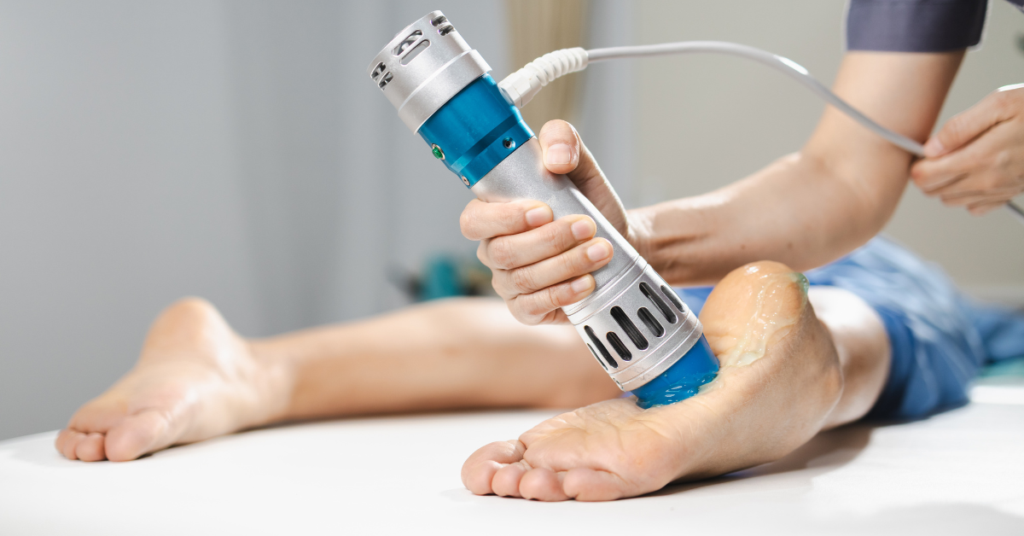
Shockwave therapy is one example. It uses externally applied acoustic waves and has been investigated for several musculoskeletal conditions. Interest in the technique is understandable, especially among people dealing with persistent pain who want to avoid an invasive procedure. But a promising explanation of how a therapy might work is only one part of the story. The evidence must also show whether it helps patients with a clearly defined condition.
Start With the Condition Being Treated
“Injury recovery” covers too much ground to serve as a diagnosis. A recently torn muscle, long-standing heel pain, and a tendon problem that has developed over months are different conditions. They may involve different tissues, stages of healing, and treatment priorities.
That distinction matters when evaluating shockwave therapy. GAINSWave describes its recovery offering as a provider-delivered shockwave program for chronic musculoskeletal pain, describing that a provider can assess the injury and determines whether the treatment is suitable for the person’s specific problem. Someone researching the GAINSWave program for injury recovery should ask what role, if any, this approach would play alongside their existing care.
A consultation should address the basics before discussing a treatment schedule. What tissue is thought to be causing the pain? How was that conclusion reached? Is the condition recent or persistent? What treatments have already been tried, and what happened? Without those answers, it is difficult to know whether a study of shockwave therapy applies to the patient in front of the provider.
A Biological Response Is Not the Same as a Clinical Result
Shockwave therapy is often discussed in terms of mechanical stimulation and the biological responses it may trigger. Researchers can study changes in cells, circulation, or tissue behavior after exposure to acoustic waves. Such work is valuable because it helps explain what might be happening beneath the skin.
Patients, however, need to know something more practical. Does the treatment reduce pain, improve function, or help them return to an activity that matters? If so, for which condition, compared with which alternative, and for how long? A measurable biological effect does not automatically establish a meaningful improvement in daily life.
This is a familiar issue across regenerative medicine. An appealing mechanism can motivate research, but it cannot substitute for well-designed clinical studies. It is especially important to separate evidence about a general category of treatment from evidence about a particular protocol offered by a particular provider.
What Does “Recovery” Actually Mean?
A person can feel less pain and move more comfortably without knowing exactly how the injured tissue has changed. Both outcomes matter, but they answer different questions. When reading a study, it helps to check whether researchers measured symptoms, physical function, tissue repair, or a combination of these.
NIH News in Health explains that tendon problems can persist because injured tendon tissue does not always repair fully. It also describes how rehabilitation must be matched to the person and the stage of injury. This provides useful context for evaluating a recovery treatment, although the article does not assess GAINSWave or establish that shockwave therapy repairs tendons.
For shockwave therapy, the next question is more specific: which condition was studied, what was it compared with, and did patients regain abilities that mattered to them? Evidence for one tendon problem cannot automatically be applied to a different injury.
Keep Shockwave Therapy Distinct From Cell Therapy
BioInformant’s readers are familiar with the broad regenerative medicine landscape, particularly stem cell research. Shockwave therapy may appear in conversations about tissue repair, but it is a device-based intervention. It does not involve collecting, processing, or administering stem cells.
The distinction helps prevent an easy misunderstanding. If research suggests that mechanical stimulation influences cellular activity, that does not make shockwave therapy equivalent to a stem cell treatment. The two approaches have different methods, evidence, and questions about clinical use. Grouping them under a single “regenerative” label can obscure those differences.
The same care is needed when interpreting words such as healing or repair. A person may report less pain and better movement without a study demonstrating that damaged tissue has returned to its previous structure. Improvement is meaningful, but the claim should match what was measured.
Consider the Whole Recovery Plan
A noninvasive treatment can be attractive when pain has lasted for months. Even so, it is worth asking where it fits in a broader plan. For some musculoskeletal conditions, carefully guided changes to activity and rehabilitation remain important whether or not another treatment is added.
Patients should ask what they are expected to do between sessions. Are there movements to avoid temporarily? Is a strengthening program recommended? When will progress be assessed, and what happens if symptoms do not improve? A plan that answers those questions is easier to evaluate than one built around the procedure alone.
The timing of treatment matters, too. Pain after a new injury may need assessment to identify damage requiring another kind of care. Persistent symptoms may warrant a fresh look at the diagnosis or at the demands of work, sport, and daily activity. Neither situation should be reduced to a promise that one technique will speed recovery.
Measure Progress in Terms That Matter
Pain scores can be helpful, but they rarely tell the entire story. A runner may want to know whether they can increase training without a flare-up. Someone with heel pain may care most about walking to work, while a person with shoulder pain may want to sleep comfortably or reach overhead.
Before beginning treatment, define one or two activities that are currently limited. Review them at an agreed point rather than relying on how the area feels immediately after a session. Symptoms can fluctuate, and a short period of relief does not necessarily predict lasting improvement.
It is also reasonable to ask a provider what result they consider realistic. A clear answer should account for the diagnosis, the duration of symptoms, and any other care being used. If the expected benefit cannot be explained in those terms, a patient may need more information before deciding.
Better Questions Make Better Coverage
The discussion around shockwave therapy does not need to swing between enthusiasm and dismissal. It can begin with a defined condition, explain the proposed treatment, and then examine evidence for outcomes that matter to patients. That approach gives readers more than a memorable biological theory.
For people considering a shockwave program, the most useful questions are straightforward: What exactly is being treated? What evidence supports this use? What other care is part of the plan? And how will we know whether it helped? Answers to those questions provide a sounder basis for a recovery decision than the word “regenerative” on its own.
*DISCLAIMER: The information provided on this website is for educational and informational purposes only and is not intended as medical advice. Statements made here are not meant to diagnose, treat, cure, or prevent any disease or condition. Always consult a qualified healthcare professional regarding any questions or concerns you may have about your health. This article contains sponsored content and may include information or claims provided by the sponsoring organization. Readers should to conduct their own due diligence when evaluating such information.