
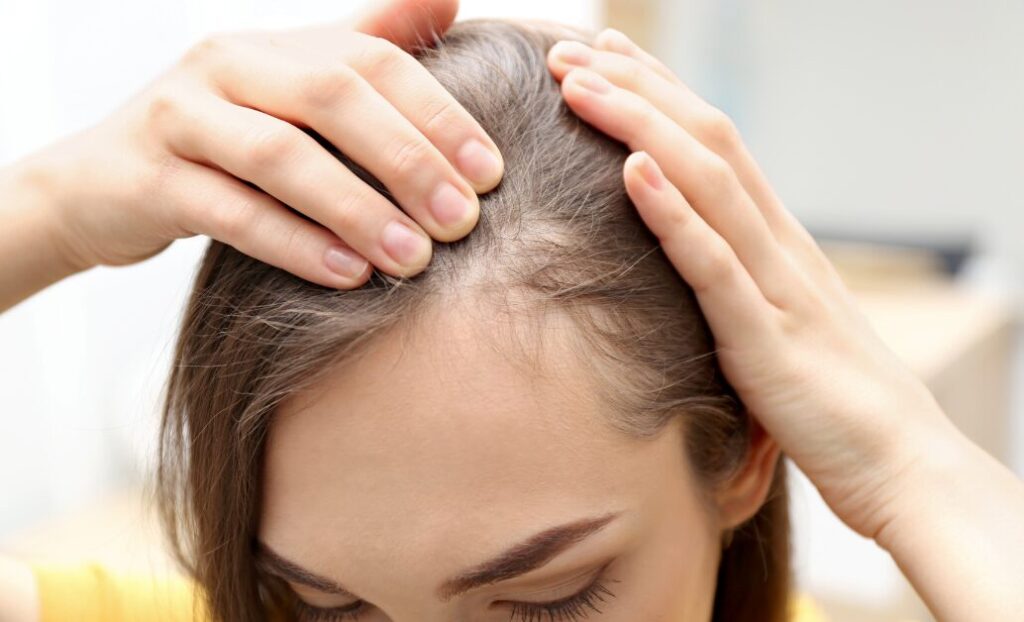
Thinning hair is a concern that affects countless adults, leading to changes in self-esteem and confidence. While this condition can result from various factors, understanding the root causes can help individuals make informed decisions about addressing their hair loss. Many adults experience hair thinning to varying degrees, making it crucial to identify the contributing factors. Whether it’s genetics, stress, hormonal imbalances, or certain medical conditions, recognizing the signs early can help mitigate further loss and seek appropriate treatments.
Genetics and Heredity
One of the most prevalent causes of thinning hair is genetic predisposition, often referred to as androgenetic alopecia. This hereditary condition can affect both men and women, with men initially experiencing a receding hairline and thinning at the crown, while women may notice widening parts and overall hair volume reduction. Research shows that nearly 50% of men and up to 40% of women will experience some degree of hereditary hair loss in their lifetime. Factors such as variations in certain genes can affect how susceptible individuals are to thinning hair, which underscores the importance of personal and family history when evaluating hair loss.
Hormonal Changes
Hormonal fluctuations can trigger thinning hair in adults, particularly in women. Changes such as those experienced during pregnancy, menopause, or as a result of thyroid disorders can lead to significant hair loss.
Elevated levels of androgens can shrink hair follicles, leading to shorter hair cycles and eventually causing thinning. Individuals might notice increased shedding after pregnancy or hormonal treatments. Understanding the role hormones play is essential. By managing hormone levels and addressing underlying issues, individuals may be able to regain hair growth and improve their overall hair health.
Stress and Lifestyle Factors
Stress is another significant factor contributing to hair thinning. Chronic stress can lead to a condition known as telogen effluvium, where hair follicles prematurely enter the resting stage, leading to temporary hair loss. Life events such as job loss, divorce, or even significant lifestyle changes can trigger this condition. The impact of stress on hair health emphasizes the necessity of managing stress through healthy coping mechanisms. Incorporating strategies like exercise, meditation, and adequate sleep can improve mental well-being and benefit hair health in the long run.
Maintaining a balanced diet and staying hydrated can help counteract some of the negative effects of stress on hair. Mindfulness practices, such as yoga or deep-breathing exercises, can further reduce tension and support overall wellness. By proactively managing stress, individuals can create an environment that is more conducive to healthy hair growth and long-term hair maintenance.
Medical Conditions and Nutritional Deficiencies
Various medical conditions can lead to thinning hair in adults. Scalp infections, autoimmune diseases such as alopecia areata, and nutritional deficiencies play key roles in hair health.
Deficiencies in vitamins like iron, vitamin D, and B vitamins can lead to thinning hair and even hair loss. It is beneficial for individuals experiencing hair loss to consult healthcare professionals who can evaluate their diet and overall health. A balanced diet rich in important nutrients promotes better hair health and supports overall physical well-being.
Managing underlying medical conditions such as thyroid disorders or hormonal imbalances can significantly improve hair growth and reduce further thinning. Incorporating supplements or fortified foods under professional guidance can help address specific deficiencies effectively. Regular check-ups and proactive health management play a crucial role in maintaining both hair health and overall wellness.
Impact of Hair Treatments and Styling Practices
Certain hair treatments and styling practices can significantly affect hair thinning. The use of harsh chemicals in dyes, relaxers, and styling products can weaken hair strands, leading to breakage and thinning.
Frequent heat styling and tight hairstyles such as braids or ponytails can cause traction alopecia, a condition that results from the constant pulling on hair. Individuals should evaluate their hair care routines and consider opting for gentler products and styles to prevent unnecessary stress on their hair. Being mindful of the treatments and techniques used can safeguard against further hair thinning.
Limiting the use of chemical treatments and allowing hair to rest between styling sessions can help restore strength and elasticity. Adopting a protective hair care regimen that emphasizes hydration, nourishment, and minimal manipulation supports long-term hair health and reduces the risk of further thinning.
Advancements in Treatment Options
For adults facing thinning hair issues, various treatment options are available. Hair transplants are gaining popularity as a permanent solution to restoring hair density. This surgical procedure involves transplanting hair follicles from one area of the body to another, providing a natural-looking result. Patients seeking reversal of their thinning hair should explore various thinning hair causes and discuss these with a medical professional to develop a suitable treatment plan. Other options include topical treatments like minoxidil, oral medications such as finasteride, and laser therapy. Engaging with healthcare providers allows for a personalized approach to hair regrowth strategies, potentially improving outcomes.
Psychological Effects of Thinning Hair
The psychological effects of thinning hair can be significant and should not be overlooked. Many individuals experience feelings of anxiety, depression, and lowered self-esteem as a result of hair loss.
This emotional impact emphasizes the importance of addressing the physical aspects of hair thinning and the mental health repercussions. Support groups, counseling, and therapy can be beneficial resources for those grappling with the emotional turmoil of hair loss. By recognizing the interplay between mental and physical health, individuals can take comprehensive steps toward improving their situation.
Preventive Measures and Daily Hair Care
Adopting preventive measures and a consistent daily hair care routine can help reduce thinning and maintain hair health. Gentle washing with sulfate-free shampoos, regular conditioning, and avoiding excessive heat or chemical treatments can strengthen hair strands and minimize breakage.
Scalp massages can stimulate blood flow, promoting healthy hair follicles and encouraging growth. Protecting hair from environmental stressors, such as sun exposure and pollution, is equally important. By incorporating these preventive habits into everyday routines, individuals can proactively support hair resilience and overall scalp health, complementing other medical or lifestyle interventions.
Thinning hair in adults can arise from a multitude of factors, each requiring careful consideration and understanding. By acknowledging the causes ranging from genetics to lifestyle factors, individuals can take proactive steps in managing their hair health. Whether one opts for medical intervention, dietary changes, or emotional support, the journey toward restoring hair density is multifaceted. Understanding hair thinning aids in treatment and empowers individuals to take charge of their hair health.
If you found this blog valuable, subscribe to BioInformant’s stem cell industry updates.